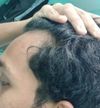
Starting finasteride, dutasteride, and minoxidil early is advised for minimal hair loss to preserve hair. Professional consultation is important due to potential side effects.
Long aerobic exercise (over 60 minutes) can reduce DHT levels and improve hair health. Some users discuss using Tadalafil (Cialis) to further reduce DHT after exercise, while others mention using treatments like Minoxidil, Finasteride, and RU58841 for hair growth.
Switching from finasteride to dutasteride can cause hair shedding, with mixed results; some see improvement, others see worsening. Using both treatments together initially may help reduce shedding.
Athletes often use finasteride to maintain hair transplants, but some avoid it due to potential hormonal effects. Notable examples include Mo Salah and Conor McGregor, while LeBron James has had multiple procedures with varying success.
A 22-year-old man experienced significant hair loss after stopping minoxidil and finasteride, causing emotional distress. He resumed these treatments and is considering dutasteride and microneedling to manage his hair loss.
A 25-year-old discusses hair loss and its impact on confidence, considering treatments like finasteride and minoxidil. Recommendations include these medications and lifestyle changes to manage hair loss.
Bryan Johnson uses topical dutasteride, minoxidil, and microneedling for hair loss. Users discuss treatment effectiveness and side effects, debating topical versus oral dutasteride efficacy.
Dutasteride is unlikely to worsen hair loss; shedding is often temporary. Other factors like inconsistent use, placebo effect, or additional treatments may influence perceived results.
NMN shows promise in promoting hair growth by reducing oxidative stress and weakening androgens. It may be a beneficial addition to hair loss treatments like Minoxidil and Finasteride.
A 34-year-old male documents his hair growth journey using the iRestore Elite laser cap, biotin, and Pure Synergy Organic Superfood Capsules, after unsuccessful hair transplant and previous treatments with minoxidil and finasteride. Replies suggest using finasteride or dutasteride instead and caution against excessive use of the laser cap.
Improving diet and taking supplements like Biotin, B12, D3, iron, zinc, and protein can enhance the effectiveness of hair treatments. However, responses to treatments like Minoxidil and finasteride vary, and some users report no improvement despite a good diet.
High prolactin levels can cause hair loss, and finasteride may increase prolactin. Cabergoline or Vitamin B6 might lower prolactin, but combining them with finasteride requires caution.
The conversation discusses whether whey protein and creatine worsen hair loss. Some users report hair loss with creatine use, while others do not; opinions on whey protein's effects are mixed. Treatments mentioned include PRP, minoxidil, and finasteride.
User Basic_Football999 discusses concerns about negative dutasteride experiences. Replies suggest dutasteride is effective, but some users may have issues with dosing frequency or genetic factors affecting results.
User shared 1-year progress after hair transplant and regimen including topical finasteride, minoxidil, viviscal, biotin, and sulfate-free shampoo/nizoral. Users praised results and discussed application frequency and side effects.
A user's experience with hair loss treatments, including Dutasteride, Oral Minoxidil and Finasteride; potential side effects; and the potential of using anti-androgens or microneedling.
A user with female pattern hair loss who tried minoxidil and various oils and supplements, but saw results only after taking iron tablets. The conversation also offered advice to get blood tests done to see if there are underlying issues causing the hair loss.
The conversation discusses various factors affecting hair loss, not just DHT, and mentions treatments like Minoxidil, finasteride, and melatonin. Some users report personal experiences with these treatments and hormone tests, while others speculate on the role of hormones like prolactin and cortisol in hair loss.
This user experienced an improvement in hair quality and stopped shedding by using Minoxidil 5% spray twice a day for 4 months. Other users encouraged the use of finasteride to maintain the results, as it is the only treatment that addresses the underlying cause of hair loss.
A user's experience with an expensive hair loss clinic that failed to produce the desired results, and advice from other users on treatments such as Minoxidil, Finasteride, and RU58841.
User shared progress in treating hair loss and improving skin, using treatments like finasteride, minoxidil, RU58841, tretinoin, microneedling, and skin care regimen. Others commented on the impressive results and asked about costs and side effects.
The conversation discusses skepticism around claims that dutasteride worsens hair loss, with some users suggesting misinformation or panic during shedding as reasons for such claims. One user shared their negative experience with dutasteride, including increased sebum production and hair loss, and is now considering a higher dose of oral minoxidil after stopping dutasteride.
Minoxidil is often applied once or twice daily for hair growth, but many find it inconvenient and switch to once daily or oral minoxidil for ease. Some users combine it with finasteride for better results, despite potential side effects.
Scientists claim a combination of caffeine, two proteins, and Centella asiatica extracts can cure hair loss, but skepticism remains due to past unfulfilled promises. Users discuss various treatments like minoxidil, finasteride, and microneedling, expressing doubt about the effectiveness of new methods.
A private clinic suggests starting with topical Minoxidil only, raising concerns about DHT blocking and potential side effects of Finasteride. The user is considering whether to follow this plan or use a combination of Minoxidil and Finasteride for hair thinning.
Creatine does not increase DHT levels or cause hair loss. Personal experiences vary, but scientific evidence shows no link between creatine and hair loss.
Dutasteride at 2.5mg is considered a potential hair loss cure due to its DHT-blocking ability, but there are concerns about side effects and individual responses. Minoxidil, finasteride, and RU58841 are also discussed, with mixed opinions on their effectiveness and safety.
A 35-year-old MTF individual shared their hair recovery journey, using Minoxidil, Dutasteride, Estradiol, Spironolactone, Microneedling, and Exosomes. They recently had a hair transplant and are documenting the healing process.
The user shared a one-year progress of treating hair loss with finasteride, minoxidil capsules, and rosemary oil, and also improved mental health by addressing childhood trauma and changing negative thought patterns. Commenters congratulated the user on both hair regrowth and mental health progress, with one asking for advice on overcoming self-hatred and low confidence.