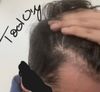
User experiencing hair loss on dutasteride; others suggest shedding is normal and to track progress with pictures. Some mention using RU58841 for improvement.
Finasteride helped maintain hair density and prevent further hair loss over 4.5 years, with no major side effects except mild gynecomastia. Consistency and regular health checks are recommended, and the user experienced stable hair density with occasional shedding.
A 22-year-old male experiencing diffuse thinning started finasteride and 2% minoxidil 8 months ago, then switched to 5% minoxidil with tretinoin 4 months ago. Despite initial improvement in hair density, he is now experiencing increased hairshedding, losing 100-200 hairs daily.
Dutasteride is reported by some users to worsen hair loss, while others believe it causes shedding before improvement. Finasteride and Minoxidil are also mentioned as treatments, with mixed results.
Hair loss treatments discussed include finasteride, minoxidil, and dermarolling. Users advise patience, noting initial shedding is common and treatments take time to show results.
Creatine may accelerate hair loss in those genetically predisposed, with some users reporting increased shedding while taking it and improvement after stopping. Some users use treatments like finasteride and minoxidil, while opinions on creatine's impact vary.
An 18-year-old experiencing aggressive hair loss has been using 1mg finasteride and 2.5mg oral minoxidil for 162 days but continues to shed hair. Suggestions include switching to dutasteride, considering topical minoxidil, and consulting a dermatologist for further evaluation.
A user is anxious about shedding after starting oral finasteride and topical minoxidil, noting about 250 hairs lost after washing. Responses suggest that shedding is common with these treatments, especially with curly hair, and that it often peaks around 8-10 weeks before improving.
The conversation discusses hair loss treatment with finasteride, where the user is experiencing shedding and concerns about regrowth. Users advise patience, suggesting that visible improvement may take 6-12 months or longer, and recommend continuing the treatment.
An 18-year-old male is experiencing hair loss and is using topical minoxidil and oral finasteride. He is concerned about continued shedding, mild sexual side effects, and whether to adjust his finasteride dosage.
A 38-year-old with type 4c hair has experienced significant hair regrowth using oral finasteride and topical minoxidil for a year. They are concerned about potential shedding from a new hair growth serum and oil product, despite their current treatment.
A 28-year-old male is experiencing excessive hairshedding despite using oral and topical minoxidil, and occasionally using ketoconazole shampoo. He is considering trying GHK-Cu serums but cannot use finasteride.
An 18-year-old has been using minoxidil since March 2024 with good results but experienced sexual side effects from topical finasteride and oral finasteride, leading to stress and heavy hairshedding. They are concerned about the side effects of finasteride, potential initial shedding, and whether stopping finasteride will worsen hair loss.
After using finasteride for 7 months and dutasteride for 5 months, the user experienced a significant reduction in hairshedding and scalp itchiness. They advise patience with hair loss treatments and suggest focusing on a good haircut and reducing stress.
A person using Minoxidil, Finasteride, Microneedling, and recently added Tretinoin is experiencing heavy shedding and thinning hair. They suspect Tretinoin has made them respond to Minoxidil and are seeking others with similar experiences.
The conversation discusses the severe shedding caused by Minoxidil, with users sharing their experiences and outcomes. Some report eventual regrowth, while others see no improvement or worsening hair loss.
The user experienced hair regrowth with dutasteride and oral minoxidil from October 2025 to January 2026, but mid-scalp density decreased afterward despite continued treatment. Ketoconazole improves scalp condition, but stopping it worsens hair appearance.
The user experienced significant hair regrowth and acne reduction after six months of using 0.5 mg dutasteride and 2.5 mg oral minoxidil daily. Despite initial shedding, the user's hair became thicker and darker, with no side effects other than improved skin.
The user experienced hair loss after a hair transplant and stopped using finasteride and minoxidil temporarily, as advised by their medical team. They resumed the treatments and are hopeful for regrowth, attributing the current hair loss to shock loss and shedding.
The conversation discusses the effectiveness of RU58841 for hair loss compared to pyrilutamide, which failed to show significant hair regrowth in trials. Some users report personal side effects with RU58841 and question the criteria for success in hair loss treatments.
The phase 3 trial results for Pyrilutamide showed no significant difference from the control treatment in increasing hair count, leading to the company halting its development. Users discussed their disappointment and skepticism about hair loss treatments, with some mentioning other treatments like Minoxidil, Finasteride, and RU58841.
The user applies castor oil and uses silicon scalp massagers daily, questioning if the massages cause more hair loss or if the hairs would fall out naturally. They believe the hairs are in the telogen phase and would shed regardless of the massage.
The user is experiencing a receding hairline and strong shedding after starting minoxidil 10 days ago, applying it only on the temples. They are considering using it on the entire scalp and have started using conditioner and leave-in treatments for weak, wavy/curly hair.
The user has been using Finasteride and Minoxidil for 5.5 months but continues to experience significant hairshedding. They are concerned about the ongoing shedding despite a brief period of reduced hair loss after switching Finasteride brands.
A 34-year-old male started using 5% minoxidil foam for hair loss and experienced shedding, which is a normal part of the process. He is considering adding finasteride to his regimen but is concerned about potential side effects, particularly sexual performance issues.
Switching from topical to oral minoxidil can cause initial hairshedding but may lead to thicker hair growth. Many users combine it with finasteride, experiencing varying side effects.
Creatine does not cause hair loss, despite many users reporting personal experiences of hairshedding. Scientific evidence shows no link between creatine and increased hair loss or hormone changes.
Switching from finasteride to dutasteride can cause increased hairshedding, which may last several months before potential regrowth. Some users suggest combining both medications or waiting up to a year for improvement, while others report better results with finasteride alone.
The user reports significant hair regrowth after three months using finasteride, biotin pills, a derma roller with rosemary/jojoba oil, and drinking coffee, despite an initial increase in hairshedding. Other users share varied results with similar treatments, with some not experiencing improvements.
The user started losing hair at 20 and began using minoxidil. After seeing further hair loss, they switched to finasteride, causing more hairshedding. They are now using minoxidil, finasteride (topical and oral), microneedling, and ketoconazole shampoo for recovery.