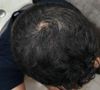
The user experienced prolonged hairshedding after restarting oral minoxidil (OM) at 2.5 mg in September 2023, following a break due to hypertrichosis. Despite seeing regrowth, the shedding has not decreased after 11 weeks on the increased dosage.
A person in their early 30s is experiencing increased hairshedding after stopping birth control and reducing spironolactone, which they've been on for years. They are concerned about the hair loss, which is different from their usual hereditary pattern, and are seeking advice.
A user with aggressive male pattern baldness found that topical melatonin significantly reduced their hairshedding to 1 or 2 hairs per day and noticed some thickening of side hair. They tried many treatments like finasteride and minoxidil with little success, but topical melatonin showed immediate results in reducinghair loss.
A user experienced hair loss improvement by quitting caffeine, reducing sugar intake, and improving overall health, while also using rosemary oil conditioner. They previously tried minoxidil, finasteride, and dermarolling, but stopped due to side effects and heart palpitations.
Hair loss sufferers becoming hyper aware of shedding, and the various treatments available for reducingshedding. The conversation also discussed differentiating between shedding and balding, as well as the potential side effects from using certain treatments.
Cosmetics Hut Hair Strengthening Shampoo with Biotin Peppermint Platyclaudus is popular for reducinghairshedding. Other treatments mentioned include Minoxidil, finasteride, ketoconazole shampoo, and biotin supplements.
OP shared a 100-day progress on reducinghairshedding using Minoxidil and Dorpang scalp serum, noting healthier hair growth. Other users discussed their own treatments, including Minoxidil, ketoconazole, saw palmetto, and pumpkin seed oil, with some considering finasteride if needed.
OP switched from Finasteride to Dutasteride and experienced continuous hairshedding after 7 months but noticed no reduction in hair density. Other users advised patience, noting similar experiences and eventual hair improvement.
The user experienced continuous hairshedding for 16 months while on finasteride, with periods of improvement. They also used T Gel shampoo and noticed a reduction in hair loss symptoms after 18 months, including the return of their sex drive and normal hair texture.
The user experienced significant hairshedding after starting finasteride, RU58841, and topical minoxidil. They increased their finasteride dosage and added dutasteride, seeking advice on whether this reaction is normal and its duration.
The user experienced significant hair regrowth and acne reduction after six months of using 0.5 mg dutasteride and 2.5 mg oral minoxidil daily. Despite initial shedding, the user's hair became thicker and darker, with no side effects other than improved skin.
A 17-year-old using 5% topical minoxidil experienced significant hairshedding after a year, possibly due to a "synchronization shed" and deficiencies in vitamin D and iron. Recommendations include continuing minoxidil, optimizing vitamin D and iron levels, and reducing tretinoin use if scalp irritation occurs.
A user started using minoxidil and noticed a significant reduction in hair fall after two days. Other users expressed skepticism, suggesting that results typically take longer and may initially increase hairshedding.
The user has been on finasteride for 18 months and experienced significant hairshedding after increasing minoxidil dosage, which has not stopped despite reducing the dosage. They are concerned about the effectiveness of finasteride and whether minoxidil triggered ongoing hair loss, compounded by personal stress and trauma.
After using finasteride for 7 months and dutasteride for 5 months, the user experienced a significant reduction in hairshedding and scalp itchiness. They advise patience with hair loss treatments and suggest focusing on a good haircut and reducing stress.
Vitamin C mixed with shampoo stopped shedding and promoted hair regrowth after 1.5 years. Both the person and their wife experienced significant hair loss reduction with this method.
A 23-year-old is using 0.25mg Finasteride for hair loss and experiencing increased shedding after initial reduction. Advice given is to wait longer for results, as hair cycles take time to adjust, and consider increasing the dose if no improvement occurs in a few months.
A 20-year-old male switched from MorrF5 to Zeelab’s MinoxilF, both containing minoxidil 5% and finasteride 0.1%, and is experiencing unexpected hairshedding. He is seeking guidance on whether the shedding is due to the brand change or if it's a normal reaction.
The user experienced significant hair regrowth with topical finasteride, minoxidil, ketoconazole, and dermarolling, but later faced severe hairshedding after stopping dermarolling and reducing ketoconazole use. Suggestions included switching to oral treatments, resuming dermarolling, and considering lifestyle changes.
A user reported a significant reduction in DHT levels after 3 months of taking 1mg/day oral finasteride, along with using minoxidil foam, microneedling, and Nutrafol vitamins. They hope this will lead to hair growth and less shedding.
The user has been using finasteride for a year and minoxidil for 1.4 years, recently reducing the finasteride dose due to side effects. They also use vitamin D3 and ketoconazole shampoo, noting less hairshedding.
Astaxanthin may cause increased hairshedding, affecting even transplanted hair and eyebrows. The user has tried various treatments for androgenic alopecia, including minoxidil, finasteride, and RU58841.
The user started finasteride in January 2025 and experienced increased hairshedding by March 2025, despite initial improvements from PRP treatment. They are concerned but have read that this shedding might be a temporary phase of the finasteride treatment.
User ItchyRaccoon experienced significant hair loss reduction using Eucapil after trying low-dose topical finasteride with no results. Some replies mention that shed hair counts are not reliable indicators of hair loss progression or regression.
Zinc pyrithione and piroctone olamine are effective for reducinghairshedding, possibly more so than ketoconazole. There is a concern about zinc pyrithione shampoo interfering with minoxidil, but it's unclear if this is proven.
Piroctone olamine and ketoconazole are both effective for reducing dandruff and hairshedding, with potential benefits for hair thickness and scalp health. Piroctone olamine may be as effective or better than ketoconazole in certain conditions, yet it is often overlooked.
The user started using pyrilutamide for hair loss and experienced a significant reduction in hairshedding and an improvement in hair quality with only mild side effects. They previously used minoxidil and finasteride, which caused side effects, and are now combining pyrilutamide with minoxidil and tretinoin.
A 31-year-old female stopped excessive hairshedding using Nizoral shampoo, diluted apple cider vinegar rinse, daily scalp massages, and oral iron and biotin supplements. She noticed a significant reduction in hair loss after 2.5 months and is observing potential regrowth.