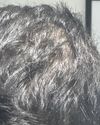
A 20-year-old is experiencing hair thinning and seeks advice on starting treatment and regrowing hair. They are considering using Minoxidil, finasteride, or RU58841.
PP405 is a new hair loss treatment advancing quickly in trials, generating excitement and skepticism about its effectiveness and marketing claims. Some see it as a potential alternative to minoxidil and finasteride, but concerns about long-term effects and the need for DHT blockers persist.
PP405 is a potential new hair loss treatment that works through metabolic pathways rather than hormonal ones, with an estimated market release between late 2027 and 2029. Current alternatives to finasteride include minoxidil, pyralutamide, fluridil, and RU58841, with hair transplants also being a viable option.
The conversation discusses hair loss treatment options, focusing on finasteride and its potential effects on gynecomastia. The user is considering finasteride while managing hormone levels with supplements like boron, vitamin D, zinc, magnesium, and P5P, and is advised to consult an endocrinologist for further evaluation.
RU58841 and pyrilutamide are being discussed as potential hair loss treatments, with some users reporting side effects. There is interest in these treatments as alternatives to 5ar inhibitors and oral minoxidil due to concerns about safety and side effects.
PP405 is a potential hair loss treatment, but its safety and effectiveness are uncertain. Users advise caution and suggest waiting for more data before purchasing unverified versions.
The conversation discusses skepticism about a new hair loss treatment called project K, which claims to replicate a chemical from UCLA research but is suspected to be a scam. The original poster plans to continue using oral minoxidil, finasteride, and dutasteride, along with microneedling, for hair regrowth.
The user has been dealing with hair loss for six years using minoxidil, finasteride, and dutasteride without success. They are contemplating shaving their head due to continued hair loss and social anxiety.
PP405 shows promise for hair regrowth by manipulating stem cell characteristics and lactate dehydrogenase, with Phase 2a trials pending. Google Ventures' $15M investment suggests confidence, but results and market availability remain uncertain.
PP405 is discussed as a potential hair growth stimulant, possibly more effective than minoxidil, but not a cure for hair loss. There is skepticism about its ability to regrow "deadzones," and concerns about its impact on those with hair transplants.
PP405 is in phase 2 trials for hair loss, with discussions on its cost and effectiveness compared to minoxidil and finasteride. Users are skeptical about its efficacy and timeline, with hopes for market release by 2027.
PP405 shows promise for hair follicle reactivation with minimal side effects. Users recommend continuing Minoxidil and Finasteride until more results are confirmed.
The user experienced positive results in hair regrowth using 0.5mg dutasteride daily and 5% topical minoxidil, with no negative side effects except reduced chest/beard hair density. They plan to continue this routine for two years before possibly reducing the dutasteride dose.
The user reported significant hair improvement over 15 months using dutasteride, minoxidil (oral and topical), RU58841, ketoconazole, and microneedling. They are considering a hair transplant in 4-6 months.
User shared progress on hair regrowth using Fin 1 mg/day for 4 years, Min 2x/day for 3 years, Estradiol 4mg/day, and Spironolactone 100mg/day for 3.5 months. They noted significant hairline recovery and advised against HRT for cis men due to feminizing effects.
The user follows a hair loss treatment routine including Propecia, oral minoxidil, ketoconazole, and plans to switch to dutasteride. They also focus on lifestyle changes, dietary supplements, and are considering laser therapy.
A user shared their 3.5-year hair loss treatment journey using finasteride and minoxidil, showing significant hair density improvement and no noticeable side effects. The user also mentioned the confidence boost from shaving their head and the positive impact of the treatments.
A 27-year-old man shared his 3-month hair regrowth results using topical Minoxidil and Finasteride. Commenters suggested adding micro-needling to improve results and praised the clear photo descriptions.
A user embraced their hair loss by choosing a buzzed hairstyle and received positive feedback on their appearance. Some suggested acceptance and self-care, while others discussed the potential of hair regrowth with treatments like finasteride and minoxidil.
GT20029 and CosmeRNA are both potential hair loss treatments; GT20029 breaks down the androgen receptor, while CosmeRNA prevents its production. Continuous use is needed, but less frequently than current treatments like Minoxidil and Finasteride.
This user has been struggling with hair loss for the past two years and attempted to treat it using finasteride and minoxidil. Despite their efforts, they have not seen any improvement in their condition, so they have decided to shave or buzz their head instead. Others gave advice on other treatments that could be tried if desired.
This user discussed their hair loss journey and shared pictures to get advice on the best treatment option. They had been using finasteride since November 2020, with a minimal amount of ground lost, and recently added minoxidil in April 2021. A transplant was suggested as an option, although they have not made a decision yet.
Microneedling for hair restoration involves daily use of a 0.3 mm device and weekly use of a 0.5 mm device. Combining microneedling with Minoxidil can enhance hair growth.
Taking topical minoxidil orally for hair loss treatment, discussing safety, dosing, side effects, and FAQs. Users express concerns about safety and potential heart damage, while others share experiences and results.
A user shared their hair loss treatment which includes a custom solution with multiple ingredients, caffeine liquid, and saw palmetto, and mentioned shedding after 40 days of use. Some replies discuss the effectiveness and cost of the treatment, while others debate the usefulness of topical dutasteride.
A user trying various treatments for hair loss, such as minoxidil, stemoyxidine, alfatradiol, and microneedling, with plans to add tretinoine and finasteride.
PP405 is a potential hair loss treatment that may work by blocking signals that cause hair cells to stop growing, requiring daily application for effectiveness. It could serve as an alternative to minoxidil and finasteride, but it is not yet available on the market and may take several years to be released.
Creatine may worsen hair loss in some, especially with androgenic alopecia, but evidence is mixed. Some users experience no hair loss when using creatine with minoxidil and finasteride, while others notice increased shedding.
Finasteride is used for hair loss, with mixed reports of no side effects and claims of long-term negative effects known as Post Finasteride Syndrome (PFS). The conversation debates the existence and causes of PFS, with differing opinions on whether it is psychological or real.