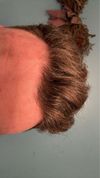
A 28-year-old has been using finasteride for five years, which stopped further hair loss but did not regrow the hairline. Recently, they started oral minoxidil to potentially improve results.
A 23-year-old male has been using Dutasteride for over two years to address hair thinning, with some success in temple regrowth but continued thinning on top. He is considering adding Minoxidil to his routine and is contemplating lifestyle changes like quitting smoking and drinking to improve hair density.
User shared a 2-year progress update on hair regrowth using 1mg finasteride and 2.5mg oral minoxidil daily. They switched from topical to oral minoxidil for ease of use and showed significant improvement.
Some men are bald because they are unaware of hair loss treatments like Minoxidil (Min) and Finasteride (Fin), while others choose not to use them due to potential side effects, cost, or personal preference. Treatments like Min and Fin are discussed, with varying results and opinions on their effectiveness and side effects.
A user shared a 17-month update on their hair loss treatment, which included a hair transplant of 2300 grafts, using a topical solution of minoxidil and finasteride, a laser cap, and ketoconazole shampoo. They are considering another transplant and seeking honest feedback on their progress, while others share their own experiences and advice on hair loss treatments.
A 27-year-old man's experience with taking Finasteride to treat hair loss and the positive side effects he has experienced, such as improved skin. The user also shared their journey of how they were scared away from taking Finasteride due to fear of possible side effects before eventually deciding to take it.
The user has been on finasteride for 7 years and had a hair transplant, but is experiencing hair thinning and itchiness, particularly on one side, leading to concerns about male pattern baldness or other health issues. Despite having a full head of hair, the user is considering shaving it due to mental health struggles and is advised to consult a therapist and consider other treatments like minoxidil or dutasteride.
A user shared progress pictures after three months of using topical minoxidil for hair loss, planning to add dermarolling later. Some responders are skeptical of the rapid hair growth, while others are impressed or question the authenticity of the photos.
A 30-year-old uses Dutasteride, Minoxidil, biotin, dermarolling, Anaphase+ shampoo, and Nizoral for hair loss. Some commenters question the need for such extensive treatment given the minimal hair loss.
The user, a 27-year-old male, has been treating early hair loss with topical finasteride and minoxidil, then switched to oral finasteride and dutasteride, but has seen no improvement and plans to add oral minoxidil. Despite treatment, hair loss has progressed from Norwood 1-1.5 to Norwood 3, with noticeable thinning, especially on the left side.
A user shared their positive progress after 3.5 months of using finasteride and minoxidil for hair regrowth, noting increased hair density and new growth around the temples. They experienced minimal side effects and slight initial shedding, and emphasized the importance of consistency and patience with the treatment.
The user plans to switch from dutasteride back to finasteride due to worsening hair loss, possibly due to increased scalp testosterone. Others report mixed results with both treatments, showing individual variability.
A user shared a 3-month progress update on using minoxidil and finasteride for hair regrowth, noting thicker hair. Replies included congratulations and advice on consistent lighting for photos.
A user shared a positive experience with finasteride, using 1mg daily and 2% ketoconazole shampoo for hair loss prevention, maintaining hairline and density for three years. They also use a moisturizing conditioner, vitamins, and scalp massages for general hair health.
The post discusses concerns about the practicality of using Minoxidil foam for hair loss, including the frequency of application, preparation, coverage area, and drying time. Responses suggest that missing a dose isn't detrimental, it can be applied once a day, it works on all hair areas, and it doesn't need to be perfectly dry before application.
The conversation discusses the effectiveness of Dutasteride (DUT) and Finasteride (FIN) for hair loss. Users share varied experiences, with some finding DUT more effective and others experiencing side effects or no change, highlighting that individual responses can vary.
Progress (in a good way). How often did you take biotin?
KarensAnon: I took biotin once daily.
KarensAnon has made 3-month progress with the use of Minoxidil foam, 0.5mm micro-needling weekly, and biotin to combat hair loss which had started at age 19. They plan to further their treatment by adding finasteride soon.
A user shared their 6-month progress using finasteride, minoxidil, and dermarolling for hair loss. They reported positive results but noted ongoing shedding.
Low-Level Laser Therapy (LLLT) is seen as a safe and effective method for maintaining hair and promoting regrowth in androgenetic alopecia (AGA) and male pattern baldness (MPB), with devices like the HairMax LaserComb® and iRestore helmet being popular. Some users and professionals are skeptical about its long-term effectiveness and cost.
A 23-year-old woman with androgenetic alopecia (AGA) is using minoxidil, rosemary oil, and dermastamping for hair loss, and is concerned about the effectiveness of minoxidil. She follows a detailed hair care routine and takes supplements like inositol, magnesium, saw palmetto, iron, multivitamins, vitamin D, and B12.
A 29-year-old is experiencing hairline loss and has been using oral finasteride and topical minoxidil for two months, considering adding RU58841. They are advised to get a blood test for deficiencies and to style their hair instead of frequent haircuts.
The user switched from finasteride and topical minoxidil to dutasteride and oral minoxidil, experiencing some hair shedding but maintaining hair quality. Suggestions include increasing oral minoxidil dosage, considering a hair transplant, and using dermarolling, while some users recommend stopping treatment altogether.
A user, almost 50, has been using finasteride for 30 years and recently added oral dutasteride to address hair recession. They are now trying a new treatment stack including Minoxidil, Dutasteride, Melatonin, Rosemary oil, and Bimatoprost, along with derma stamping and Ketoconazole shampoo.
The conversation is about a user who has been using finasteride (1.25mg daily) for over a year to treat hair loss, experiencing significant regrowth without using minoxidil. The user reports no bald spots, a thicker hairline, and increased libido as a side effect.
The conversation discusses the use of creatine while on finasteride and/or dutasteride for hair loss. Opinions vary, with some users reporting no issues and others experiencing accelerated hair loss, suggesting effects are individual.
A user shared their 9-month progress using Propecia and minoxidil for hair loss, noting significant daily shedding. Others suggested potential vitamin/mineral deficiencies and offered encouragement.
The user has been using finasteride for 3 months and minoxidil for over 4 years to treat hair loss, experiencing initial anxiety and a possible nocebo effect but now reports no significant side effects. They also tried micro-needling briefly but stopped, and other users have mixed reactions to their results.
The conversation speculates on NBA player Cole Anthony's hairline improvement, suggesting possible treatments like hair transplant (HT) and medications such as finasteride and minoxidil. Some believe he may have had a hair transplant between August and November 2023, while others discuss the necessity of continuing medication post-transplant to maintain hair.
The conversation discusses using a low dose of topical finasteride to achieve hair benefits with minimal systemic exposure. Users share experiences and opinions on dosing, systemic buildup, and side effects of both topical and oral finasteride.