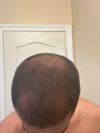
Creatine may increase DHT levels, potentially leading to hair loss, but whey protein and BCAAs are generally considered safe for hair. Finasteride can mitigate creatine's effects on hair loss.
The conversation discusses taurine supplements for hair growth, highlighting their potential to reduce DHT and improve hair health. A user comments that people often try alternatives to finasteride.
The conversation is about a user experiencing accelerated hair loss after starting vitamin D3 supplements, suspecting a link between the supplement and increased DHT levels. The user decides to stop taking the supplements, preferring natural sources of vitamin D.
A user shared their experience with hair loss and recommended supplements like magnesium, vitamin D, vitamin C, zinc, iron, and protein, along with using a dermaroller. They noted benefits such as accelerated fat loss, muscle growth, better digestion, increased testosterone, and improved hair and skin quality.
The conversation discusses recommendations for Vitamin D3 supplements for hair health. Specific treatments mentioned include Minoxidil, finasteride, and RU58841.
The conversation discusses various supplements and vitamins like Vitamin D3, K2, Biotin, Iron, Zinc, and B Vitamins for improving hair health. It also mentions a combination of Tocotrienols, Pycnogenol, Saw Palmetto, Pumpkin Seed Oil, Stinging Nettle, and Myricetin for stabilizing hair, with Saw Palmetto, Pygeum, and Stinging Nettle noted for thickening hair despite side effects.
Iron supplements can help improve hair thinning and brittle skin, but recovery time varies based on individual factors like ferritin levels and absorption rates. Regular blood tests are recommended to monitor ferritin and iron levels.
Oral supplementation of Nicotinamide Mononucleotide (NMN) improves hair quality and appearance in middle-aged women. However, it may reduce total hair density, possibly due to seasonal shedding.
Adipose-derived stem cells with ATP improved hair regrowth in male and female mice with androgenetic alopecia. The most effective treatments were low dose stem cells with ATP for males and medium dose stem cells with non-liposomal ATP for females.
The user's first hair transplant failed, and they are preparing for a second one. They are considering whether to continue multivitamins and B complex before the surgery, and are asking for advice on supplements to take for hair loss that do not include DHT blockers, finasteride, minoxidil, or high-dose biotin, and are contemplating iron, folic acid, vitamin C, and NAC for before and after the surgery.
The conversation discusses using Adenosine and caffeine, along with a multivitamin, for hair thickness and density. Another person suggests using finasteride and minoxidil.
The user noticed hair regrowth after supplementing with vitamin D, magnesium, zinc, and vitamin B12, alongside using minoxidil for 3 years. They observed a lower hairline and improved density, supported by photographic evidence.
The conversation is about supplements for hair health. Nutrafol and Viviscal are mentioned, with Nutrafol preferred due to saw palmetto; individual supplements like zinc, vitamin D, iron, B complex, magnesium, and inositol are also discussed.
Omega 3 and 6 supplements are considered ineffective for hair growth by most users, with some suggesting they only help if combined with other nutrients or if the diet is poor. Users generally find traditional treatments like minoxidil and finasteride more effective.
People shared that Biotin supplements did not improve their hair loss and some experienced stronger nails or more pimples. They suggested trying finasteride or minoxidil instead for hair loss treatment.
Taking curcumin, omega-3 fish oil, vitamin D, and theaflavin supplements significantly reduced hair fall. The user suggests others try these supplements and report their results.
Creatine supplementation may increase DHT levels, potentially affecting hair loss. A study is examining this effect, with participants taking 5 grams of creatine daily for six months.
The conversation is about adding Swisse Hair Nutrition for Men, which contains saw palmetto and various vitamins, to a Minoxidil and finasteride regimen to potentially enhance hair growth. The user is seeking feedback on the effectiveness of stacking these supplements with their current treatment.
A user is trying Relora supplements to reduce stress-induced hair shedding. They are frustrated with ongoing hair loss and are open to trying new solutions.
Finding acceptance of hair loss through psychedelics, and the potential benefits of shrooms. Discussions include sharing experiences with minoxidil, finasteride, nutrafol, laser therapy, micro needling, as well as mental health concerns such as depression, suicidal thoughts, and self-esteem.
The study on creatine monohydrate's effect on hair loss was withdrawn due to lack of support. Users discussed concerns about creatine potentially accelerating hair loss, especially for those using finasteride.
A 22-year-old experiencing severe hair loss is considering using Minoxidil and finasteride despite initial reluctance, and is also using vitamins and micro-needling. They are contemplating a hair transplant but are advised to wait until at least age 30.
The conversation discusses a 2-month hair loss treatment regimen that includes a topical combination of finasteride and minoxidil, ketoconazole shampoo, a dermaroller, and biotin supplements. Progress pictures are shared to show the effects of the treatments.
A man's successful hair regrowth after using finasteride, minoxidil, microneedling, hairsupplements, and scalp massages. He noticed significant improvements and is excited about future progress.
The conversation discusses hair regrowth treatments, including oral minoxidil 5mg and finasteride 1mg on alternate days, along with derma rolling, biotin, and other supplements. The user reports good hair growth and reduced hair fall, with no side effects from oral minoxidil except increased body hair.
A 27-year-old male experiencing increased hair loss despite using 0.5mg dutasteride daily, minoxidil nightly, and optimizing vitamin D, is considering zinc supplementation and seeking a dermatology referral. Concerns about potential shedding, thyroid levels, and zinc dosage are discussed, with advice to monitor and avoid over-supplementation.