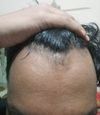
A 17-year-old is experiencing hair loss and is considering using Minoxidil and Finasteride. They are questioning if Minoxidil alone is sufficient or if Finasteride is necessary.
The user experienced significant hair regrowth using 1mg oral finasteride, DIM, and beetroot powder, while also focusing on gut health and reducing alcohol intake. Other users discussed the importance of iodine, fermented foods, and maintaining a balanced diet for overall health and hair improvement.
A user experienced positive hair regrowth using oral and topical minoxidil, oral dutasteride, microneedling, and supplements. They noted improved hairline and temple density with minor side effects like a few forehead pimples.
Creatine may counteract minoxidil's hair growth effects by closing potassium ATP channels, potentially leading to hair loss in predisposed individuals. Despite anecdotal reports, there is no conclusive evidence linking creatine to hair loss.
The user experienced hair regrowth using 2.5mg finasteride daily and by drinking topical minoxidil mixed with water. Commenters advised against this method, suggesting oral minoxidil for safety.
The user experienced significant hair regrowth after 4 months using oral minoxidil, oral dutasteride, topical minoxidil, Nizoral shampoo, microneedling, and various supplements. They reported increased body hair and some acne as side effects but noticed less hair breakage with silk pillows.
The conversation discusses hair regrowth progress using finasteride, oral minoxidil, dermarolling, scalp massages, and Nizoral shampoo. Users share experiences and suggest additional treatments like dutasteride, pyrilutamide, caffeine shampoo, rosemary oil, and red light therapy.
The user successfully managed hair regrowth by using a combination of finasteride, dutasteride, minoxidil, and specific shampoos to treat seborrheic dermatitis. They emphasize the importance of maintaining a healthy scalp and are considering food intolerance tests to further address inflammation.
The user experienced significant hair improvement after 7 months of using Dutasteride (DUT) every other day, with no side effects, unlike previous experiences with Finasteride (FIN) and Minoxidil (MIN). The user plans to continue DUT for up to 24 months and is considering a hair transplant for further results.
Naming a child after hair loss treatments like Propecia and Finasteride, with most users advising against it. The conversation includes humorous and critical responses, suggesting more conventional names.
Minoxidil and finasteride are used for hair regrowth, but initial shedding can be distressing. Consistent use is important, and many users eventually see regrowth and thickening.
The user experienced significant hair regrowth after switching to a regimen of 0.5mg dutasteride daily, 5mg oral minoxidil daily, and occasional minoxidil foam, which resolved dandruff issues. They also use 2% ketoconazole shampoo and Kerastase Densifique mousse for styling, and recommend avocado oil for hydration.
A 28-year-old male considering hair restoration is deciding between starting with 0.5mg dutasteride or 1mg finasteride, with finasteride being the typical starting point due to fewer and shorter-lasting side effects. The options also include minoxidil and biotin.
The user experienced hair density loss after increasing finasteride dosage from 3x to 7x a week. It was suggested that this might be a temporary adjustment issue, and adding minoxidil could help.
PP405 significantly improves hair density, outperforming finasteride, with 31% of users seeing over 20% improvement in four weeks. Concerns exist about its availability, cost, and long-term effects.
The conversation discusses hair loss treatments, including Avodart (Dutasteride), finasteride, minoxidil, and peptide serums with ingredients like Redensyl and Saw Palmetto. Users share experiences and opinions on the effectiveness and side effects of these treatments, with some skepticism about claims regarding DHT and its role in hair loss.
Creatine does not cause hair loss, but it may accelerate hair loss in those predisposed to male pattern baldness. Finasteride users report mixed experiences with creatine, with some noticing no change and others experiencing increased shedding.
The user experienced significant hair regrowth and improved hair quality after six months of using oral minoxidil, finasteride, and micro-needling. They reported increased libido initially but no other side effects, and they plan to continue the treatment.
The conversation discusses hair thinning potentially linked to creatine use, with the user considering switching from topical to oral finasteride and minoxidil. Creatine may increase DHT levels, but topical treatments are suggested to be effective without significant side effects.
A user experienced continuous hair shedding for 13 months after starting finasteride, suspecting it might cause chronic telogen effluvium, and considered switching to dutasteride or stopping medication. Other users suggested that finasteride doesn't cause hair loss, recommending dutasteride for more aggressive hair loss, while some advised against stopping medication.
Significant hair regrowth and thickening were achieved in three months using topical finasteride 0.3% and minoxidil 7%, along with lifestyle changes like healthier eating, derma stamping, and rosemary oil. Additional treatments included a shampoo for thinning hair and supplements like biotin and vitamin D.
A teenager experiencing hair loss is using minoxidil, a derma roller, and plans to add ketoconazole shampoo to their routine. They are advised to continue this regimen consistently for at least six months to see results, with the shedding being a normal part of the process.
IGFBP‐rP1 shows potential for treating androgenic alopecia by influencing hair cycle transitions. Increasing IGF-1 levels may have similar effects to Minoxidil and 5-AR inhibitors in reducing hair loss.
The regimen for hair loss includes topical finasteride, clascoterone, tretinoin, minoxidil, oral saw palmetto, beta-sitosterol, vitamin D, microneedling, and anti-fungal shampoo. Expected benefits are increased hair growth and density, with considerations for potential skin irritation and interactions between treatments.
Alfatradiol is discussed as a hair loss treatment with minimal side effects, but its effectiveness is debated, and it's not widely known or available outside Germany. Some users report side effects like gyno and ball ache, while others find it effective in stopping shedding and itching.
The conversation discusses hair loss treatments like topical finasteride with minoxidil, oral dutasteride, and essential oils. Oral treatments like dutasteride and finasteride are seen as more effective, though some prefer topicals to avoid side effects.
Tristan Tate's hair loss is discussed, with mentions of finasteride, minoxidil, and dutasteride as treatments. Users speculate on his hair styling, steroid use, and legal troubles.
In the Czech Republic, doctors are largely unaware of hair loss treatments beyond minoxidil, and finasteride is hard to obtain. Many users suggest buying treatments like finasteride and minoxidil from other countries or online.