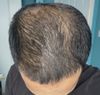
The user had a hairtransplant with Estenove, rating the overall experience 6/10 due to logistical issues, unmet expectations, and dissatisfaction with the results. They advise against pricier packages and express regret over the asymmetrical hairline, despite good customer service and post-op care.
A user shared their positive experience with a no shave FUE hairtransplant by Dr. Ko in Seoul, including aftercare with oxygen therapy, red light therapy, and prescribed dutasteride and oral minoxidil (2.5mg daily). The procedure cost over $5,000 USD, and the user is satisfied with the results.
Microneedling before a hairtransplant may harden the scalp and affect blood circulation, potentially impacting graft growth. Some users report successful transplants after microneedling, while others advise caution and consulting with a surgeon.
A hairtransplant performed by Dr Bruno Ferreira in Portugal, which has improved the user's appearance and self-confidence. The user also mentioned taking finasteride for 5 years to help with their hair loss.
After a hairtransplant, the user noticed unexpected new hair growth without using medications or vitamins. Many advised starting treatments like minoxidil and finasteride to maintain the results and prevent future hair loss.
The user is considering another hairtransplant or scalp micropigmentation (SMP) for a congenital bald spot, but previous transplants were less effective due to scar tissue. Suggestions include using hair fibers, changing hairstyles, or doing nothing, as the spot is not very noticeable.
Cbum's hairtransplant is criticized for looking unnatural and not blending well, with some suggesting better results were expected given his resources. Discussions also cover the effects of steroids and finasteride on hair loss and muscle growth.
Chris's hairtransplant looks better, but the hairline is criticized for being too straight and unnatural. Some recommend using finasteride and minoxidil for maintenance.
The user had a hairtransplant of 3400 grafts, primarily focusing on the hairline, and is happy with the results four months post-surgery. They used topical minoxidil, oral minoxidil, finasteride, and topical dutasteride, along with microneedling and Nizoral, and the procedure cost around $12,000.
A user shared their positive experience with a hairtransplant at Smile Hair Clinic, using treatments like oral finasteride, minoxidil, and dutasteride. They reported no side effects, significant improvement in hair density, and satisfaction with the results.
Getting a hairtransplant without using finasteride or dutasteride for at least two years can waste donor hair, as these medications can lead to significant hair regrowth in areas like the crown and mid-scalp. Delaying a transplant allows for better results by maximizing natural regrowth and preserving donor hair for more needed areas.
Before getting a hairtransplant, it's crucial to research and understand that ongoing treatments like finasteride, dutasteride, or minoxidil are necessary to maintain results. Concerns were raised about Turkish clinics, including overharvesting grafts, lack of regulations, and discouraging finasteride use.
A user is very satisfied with their hairtransplant results, despite choosing a straight hairline against the doctor's advice for a more natural look. Some commenters think the hairline looks artificial, while others discuss the importance of a natural-looking hairline and inquire about any medications used post-transplant.
The conversation discusses the lack of significant advancements in hair loss treatments beyond finasteride and minoxidil, questioning if hair restoration technology has reached a dead end. Hairtransplant technology has improved, but new medications face challenges with market entry, cost, accessibility, and long-term effectiveness.
The conversation is about someone's hairtransplant progress after 8 months, questioning if results will improve. They use topical minoxidil and finasteride, a dermapen, vitamins for hair, and aminexil shampoo, and sometimes do scalp massages.
A user trying to avoid an expensive hairtransplant, and the replies suggesting they wait two years on treatment before deciding if they need a transplant or not.
User got a hair system after hairtransplant and finasteride didn't meet their needs. Hair system cost $200, initial install $150, and user is satisfied with the results.
User experienced hair loss after weight lifting, had a successful hairtransplant, but later faced significant thinning. Current treatment includes finasteride, minoxidil, dermal rolling, and supplements.
User had successful FUE hairtransplant with 3500 grafts, costing 3900 euros at Novohair in Berlin, gaining confidence. User lost hair due to chemo, family history of hair loss at 40-50 years old.
The conversation discusses FUE hairtransplant surgery, including questions about donor area recovery, success rates, precautions, hair growth rate, and the safety of PRP injections. It also inquires about using hairpieces post-surgery.
The conversation is about hairtransplants in America, specifically the availability of DHI. The user is currently using finasteride and plans to use microneedling, oral castor oil, and eventually undergo FUE or DHI.
The user is considering a second hairtransplant after previous treatments with finasteride and minoxidil failed to stop hair loss. Suggestions include trying dutasteride, oral minoxidil, scalp micropigmentation, or shaving the head.
The user had a hairtransplant 5 years ago and is currently using 1 mg finasteride and topical minoxidil but is not seeing an increase in hair volume. They are considering another transplant to improve hair volume.
A 22-year-old underwent a hairtransplant in Bangkok, using 2,500 grafts, and has been using dutasteride and minoxidil to stabilize hair loss. The user chose the procedure to enjoy youthful confidence, despite some opinions that it's too early for a transplant.
The user is considering a hairtransplant but has started using finasteride and minoxidil, noticing initial improvements. They are unsure about the dosage and seek advice, while others suggest understanding treatments before opting for surgery.
A user experienced significant swelling after a hair and beard transplant, possibly due to an allergic reaction or improper post-surgery care. Despite dissatisfaction with the clinic's handling of grafts and customer service, the user appreciates the clinic's skill in achieving natural hairline density.
A 26-year-old male considering a hairtransplant is using topical finasteride and minoxidil, planning to start feminizing hormone replacement therapy (HRT) with estrogen and spironolactone. Many suggest waiting to see the effects of HRT, which may significantly regrow hair, before deciding on a transplant, and recommend adding microneedling and possibly switching to oral treatments for better results.
A person suspects their friend had a hairtransplant instead of stem-cell injections due to a noticeably straight hairline. The discussion includes opinions on hairtransplants, societal perceptions, and suggestions like using finasteride to maintain hair.
The user underwent two hairtransplants, started taking finasteride, oral minoxidil, and dutasteride, and began micro-needling to improve hair density and manage hair loss. They also focused on curly hair care techniques, resulting in noticeable improvements in the hairline and overall appearance.