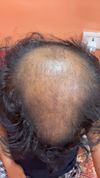
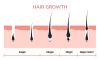
Hair loss treatments like finasteride, minoxidil, dutasteride, and RU58841. Users suggest hair fibers for temporary coverage and consider hairtransplants for permanent solutions.
A 29-year-old male shares his 3-month hair regrowth progress using finasteride, minoxidil, and microneedling, reporting no side effects and light initial shedding. He is encouraged by the results and plans to continue the treatment.
For hair loss, start with Finasteride, Minoxidil, Ketoconazole shampoo, and Microneedling. For severe cases, consider Dutasteride, oral Minoxidil, or hairtransplants.
A user shared their hair progress after three steroid cycles, using 5% minoxidil and 100mg RU58841 daily. They are considering a hairtransplant due to paranoia about shedding.
A 21-year-old is worried about hair loss despite taking 0.5mg finasteride every other day for 7 months. Users suggest continuing treatment, considering a hairtransplant, and possibly adding minoxidil.
The conversation discusses the use of topical minoxidil and finasteride for hair loss, with some users combining them with oral treatments. Users share their experiences and opinions on effectiveness, cost, and convenience, with mixed views on whether topical or oral applications are superior.
The user is excited about their hair regrowth after 10 weeks using oral finasteride, topical minoxidil, ketoconazole, dermarolling, and vitamin D. They've seen significant hair thickening and believe minoxidil and dermarolling are the main contributors to their progress.
A user shared a 9-month hair recovery journey from androgenic alopecia using 1 mg finasteride daily, 5% minoxidil twice daily, and weekly dermarolling with a 1.5 mm roller. Some responders were skeptical about the authenticity of the results, while others confirmed the consistency of the user's appearance and supported the effectiveness of the treatment.
The conversation discusses whether lifestyle factors like diet and sleep affect hair growth in people with reversible hair loss. Some believe these factors, along with treatments like minoxidil, finasteride, and RU58841, can improve hair health, while others argue hair loss is mostly determined by genetics and DHT sensitivity.
The user "Popular-Special-856" shared their progress pictures of hair regrowth using minoxidil and finasteride, along with dermarolling. The results were significant, especially with minoxidil, and the user regrets not starting finasteride earlier.
A hair journey of someone who started using Minoxidil, Finasteride and Dutasteride to treat their Androgenic Alopecia. The user reported successful results with the medication, including compliments from strangers.
This conversation is about a user's progress pictures after 10 months of using the hair loss treatments finasteride and minoxidil. Other users responded with compliments and questions about the dosage used.
A user's nine-month journey of hair growth with treatments including finasteride, minoxidil, and nizoral; some participants thought the user had a hairtransplant while others disagreed.
The user shared progress pictures and discussed using minoxidil, finasteride, and a dermaroller for hair loss. They experienced side effects from finasteride and considered adding it to minoxidil to reduce these effects.
A user's success in treating his diffuse and crown hair loss with finasteride and minoxidil; other users sharing their experiences, both successful and unsuccessful, and the importance of research and listening to one's body when deciding on treatments.
Hair loss treatments, specifically the use of oral minoxidil in combination with micro-needling. Oral minoxidil has been found to improve hair density in 90% of patients with a low side effect profile, but using 5mg per day can result in higher side effects including hypertrichosis and edema. Other treatments mentioned include finasteride and RU58841.
Hair loss treatments like finasteride, minoxidil, ketoconazole, PRP, and microneedling helped maintain hair for 20 years. Research and try evidence-based treatments for best results.
Hair loss treatments discussed include Propecia, Rogaine, Nizoral shampoo, and dermarolling. Users shared experiences and results, with some noticing improvements in hair growth and maintenance.
Hair loss impacts mental health, with treatments like Minoxidil, finasteride, and stem cell transplants discussed. There is hope for future breakthroughs, but current treatments are limited, and awareness is lacking.
The user shares their experience with a hair system, noting no one noticed the change except their girlfriend. They discuss the learning curve, maintenance tips, and their satisfaction with the results, feeling more confident and optimistic.
A user sharing their positive experience with taking finasteride as part of their hair loss treatment regimen, which also included biotin, Nizoral Shampoo, OGX Biotin & Collagen Shampoo, and iRestore Laser Cap. Others shared their own experiences and advice on treating hair loss.
The post and conversation discuss using coconut oil and castor oil for hair regrowth over 1.5 years. Some users suggest using finasteride, minoxidil, and RU58841 for better results, while others prefer natural oils to avoid side effects.
Finasteride can increase body and facial hair growth due to increased testosterone, despite its intended use to reduce hair loss on the scalp. Some users consider trying topical finasteride for less systemic impact, while others report mixed results and side effects.
Scalp Botox may help hair loss by relaxing muscles and increasing blood flow, potentially benefiting conditions other than androgenetic alopecia. DHT affects hair follicles differently, causing tension and hair loss in some areas but not others.
The user saw significant hair regrowth using topical minoxidil and finasteride, even on areas not directly treated. They used local Algerian products with 5% minoxidil and 0.1% finasteride and reported no side effects.
The conversation discusses hair loss treatments, specifically the use of minoxidil, finasteride, and microneedling, and the experience of shedding hair as a potential sign of treatment effectiveness. Some users report positive results after initial shedding, while others express concerns about long-term hair loss and the effectiveness of treatments.
A user has been treating hair loss with finasteride for two years without success and is experiencing an itchy scalp with seborrhea. Despite low DHT levels, they are still losing hair, suggesting that DHT might not be the main cause of their hair loss, and they are considering other treatments or causes.
Hair loss treatments include Finasteride, Minoxidil, Ketoconazole shampoo, and Microneedling. Additional options are Dutasteride, oral Minoxidil, and hairtransplants.
The user has been taking 0.5 mg of dutasteride daily and using ketoconazole shampoo twice a week for four months, but sees no significant hair loss improvement. Others in the conversation believe the user is not experiencing hair loss and suggest the user might be overly concerned about their hairline.