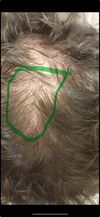
To reduce oily hair, wash the scalp thoroughly with shampoo and avoid touching the hair with hands. Applying a watery body lotion to wet hair may also help lessen oiliness.
A person improved hair loss from Norwood 3 to Norwood 2 using a topical formula with minoxidil, dutasteride, and tretinoin, plus oral minoxidil and red light therapy. There is skepticism about the treatment's effectiveness and concerns about misleading comparison photos.
CRISPR shows promise for treating hair loss by targeting specific genes. Current treatments include Minoxidil and finasteride, but CRISPR could offer a more precise solution, though it is still expensive and in early stages.
Serum DHT is mostly inactive; sebum DHT is a better measure for hair loss. Users discuss using finasteride, dutasteride, and topical treatments like KX826 and RU58841 for better scalp DHT suppression.
A new hair loss treatment using dermal exosomes can restore up to 90% of lost hair in mice. Users discuss potential human trials and compare it to Minoxidil and Finasteride.
Lichen Planopilaris (LPP) is an autoimmune condition causing permanent hair loss and fibrosis, often misdiagnosed. Treatments include pioglitazone, topical corticosteroids, anti-inflammatory medication, and Jak inhibitors.
A user shared their experience with a hair transplant, emphasizing the importance of avoiding caffeine 7 days before the procedure. Ignoring this advice led to reduced effectiveness of the numbing agent, causing significant discomfort during the transplant.
A 47-year-old male experienced significant hair loss after losing 37 kg in 6 months on a low-carb diet and started taking biotin, zinc, iron, selenium, and spectral dcn-n. Replies suggest that while carbs are not directly needed for hair growth, they help regulate hormones and nutrient absorption, and rapid weight loss can also contribute to hair loss.
PP405 is a new hair growth stimulant different from Minoxidil, currently in phase 2 trials. Users discuss its potential, safety concerns, and the long wait before it might be available.
The conversation questions the accuracy of the "losing 100 hairs a day is normal" claim, with users sharing personal experiences of hair loss. Specific treatments mentioned include Minoxidil.
The user has been dealing with an oily scalp, seborrheic dermatitis, and hair loss for 18 months, using finasteride without improvement. Another user suggested dutasteride for reducing scalp oiliness.
A 16-year-old female experiencing severe hair loss and sebum buildup, likely due to telogen effluvium and PCOS, is currently using vitamin D3 supplements, Redenser serum, and T follihair supplements. Recommendations include addressing PCOS first and consulting a doctor.
The user is using caffeine shampoo with baicapil, microneedling, massage, and procapil lotion for hair loss. Replies suggest the user is balding and recommend finasteride.
High prolactin levels can cause hair loss, and finasteride may increase prolactin. Cabergoline or Vitamin B6 might lower prolactin, but combining them with finasteride requires caution.
A user shared a 9-month hair recovery journey from androgenic alopecia using 1 mg finasteride daily, 5% minoxidil twice daily, and weekly dermarolling with a 1.5 mm roller. Some responders were skeptical about the authenticity of the results, while others confirmed the consistency of the user's appearance and supported the effectiveness of the treatment.
The conversation is about the effects of steroids on hair loss. Some users believe that steroids can cause hair loss, while others argue that it depends on individual sensitivity to DHT. There is also discussion about the appearance of balding individuals who use steroids.
User experienced hair loss after taking creatine with finasteride for 8 years. Others shared similar experiences, but some suggested it could be a minoxidil shed.
The effects of hair loss on mental health, treatments such as finasteride, minoxidil, RU58841 and microneedling red light therapy, and the realization that while treating hair loss can be beneficial, it does not solve all underlying insecurities.
A user experienced significant hair regrowth after 5 weeks by taking zinc, vitamin D, and biotin supplements, correcting deficiencies that were contributing to hair loss and thinning. They report a decrease in hair shedding, faster hair growth, and a thickening of their hairline without using common hair loss medications like Minoxidil or Finasteride.
After 10 months, the user's hairline and midscalp look thick following a 6100 graft FUE hair transplant in Turkey. They plan to address the crown in a few months.
User tried cheap hair fibers from Amazon, significantly improved appearance of thinning hair. Fixing spray recommended to prevent fibers from blowing off.
A successful hair transplant with 3100 grafts combined with topical finasteride, minoxidil, Viviscal, biotin, sulfate free shampoo and Nizoral. People in the conversation talk about how the results look perfect and discuss the number of grafts and cost involved.
Severe scalp itching and hair loss, possibly linked to seborrheic dermatitis, are discussed, with treatments like Dutasteride, Finasteride, and various shampoos mentioned. Some users find relief from itching with DHT blockers like Finasteride, while others suggest consulting multiple dermatologists for accurate diagnosis.
The user's decision to shave their head rather than continue using drugs like finasteride and minoxidil to try and stop hair loss, as well as other suggestions such as scalp micropigmentation.
The user is using RU58841, finasteride, dutasteride, and minoxidil to slow down aggressive hair loss but is still experiencing hair shedding due to high testosterone levels. They plan to use ostarine to lower testosterone and prevent hair loss while maintaining muscle mass, and will continue using the other treatments.
A 16-year-old started using topical finasteride, minoxidil, and dermapen for hair regrowth, along with natural DHT blockers. Advice given includes being patient and considering waiting until 18-21 to use finasteride.
Creatine may increase hair loss in those with male pattern baldness (MPB) due to increased DHT, but whey protein generally does not affect hair loss. Finasteride and minoxidil are used to manage hair loss, and some users report increased shedding with creatine but not with whey protein.
A user named Medical_Opinion8120, a 23-year-old female, is experiencing hair loss potentially due to a past accutane course. She has tried minoxidil without success and is currently taking iron and zinc supplements.