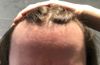
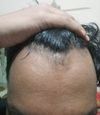
Elon Musk likely had at least two hair transplants and uses finasteride or dutasteride to maintain his hair. He may also use a hair system or prosthetic hair.
The user experienced significant hair regrowth using finasteride, starting with 1mg five times a week and later reducing to 0.5mg six times a week for maintenance. They reported some initial side effects, like minor pain and watery semen, but no major issues, and attributed additional improvements to lifestyle changes.
A user shared their hair regrowth progress from using Minoxidil 5% and Finasteride 2.5 mg since August 2024, reporting no side effects. They cut 5mg Finasteride pills in half and take them every other day, and recommend consulting a dermatologist for personalized advice.
The user experienced significant hair regrowth using finasteride, minoxidil, and microneedling but later faced rapid thinning despite consistent treatment. They plan to switch from finasteride to dutasteride and consider oral minoxidil if the situation doesn't improve.
A user is considering starting finasteride for hair loss and shares their hormone levels, with others suggesting checking SHBG and discussing potential side effects. Some recommend starting with 0.5 mg finasteride, while others suggest considering dutasteride.
The user experienced significant hair improvement using 1mg finasteride and 2.5mg oral minoxidil daily, with most gains attributed to finasteride. They also stopped using topical treatments due to scalp psoriasis and reported no major side effects.
Choosing hair loss treatments is challenging due to concerns about side effects from finasteride and minoxidil. Users suggest starting with topical treatments and gradually increasing dosage, while some recommend oral finasteride for its effectiveness despite potential side effects.
The user experienced significant hair regrowth after one year of using finasteride, minoxidil, and Nizoral shampoo, with no side effects reported. They noted improved social interactions and emphasized the importance of consistency in treatment.
Diffuse hair loss is often linked to genetics but can also be due to health issues like thyroid problems and low vitamin or iron levels. Treatments include finasteride, minoxidil, and dutasteride, with some seeing improvements after addressing health issues.
The user experienced initial hair regrowth with topical dutasteride and minoxidil but later faced significant hair shedding, leading to doubts about the effectiveness of topical dutasteride. They plan to continue the treatment for a year and may switch to oral finasteride if no improvement is seen.
The user experienced significant hair regrowth in 2.5 months using a combination of minoxidil, finasteride serum, oral minoxidil 2.5 mg, vitamin E, and biotin. Other users praised the results and discussed the dosage of oral minoxidil.
A 26-year-old male showed hair improvement after 6 months of daily 0.5mg dutasteride and 5mg oral minoxidil. He thanked the tressless community and haircafe for their support.
The user saw significant hair regrowth after using rosemary-castor oil, scalp massages, a derma roller, biotin shampoo, minoxidil-finasteride spray, and a PRP injection. They plan to continue this routine.
The conversation discusses alternative hair loss treatments beyond the commonly used Minoxidil and Finasteride. One user is trying diclofenac gel, caffeine + antioxidant serum, finasteride, ketoconazole shampoo, and has stopped using Minoxidil due to ineffectiveness, while another user has adopted lifestyle changes like exercise, diet, stress reduction, and topical caffeine, along with scalp massages and microneedling.
A 19-year-old is using hair tonic capsules, Minoxidil 5% lotion, an unidentified hair lotion, and Nizoral shampoo for male pattern hair loss. Commenters suggest focusing on known treatments like Minoxidil and Finasteride and advise knowing the contents of the products used.
A man has seen slight hair regrowth after 7 months using oral and topical finasteride, topical minoxidil, microneedling, and supplements. He plans to start taking dutasteride, hoping for better results and is not experiencing side effects so far.
The user showed hair regrowth after two years using finasteride, minoxidil, micro needling, and ketoconazole shampoo, noticing significant improvement around 8-10 months without experiencing shedding. They achieved thicker hair and improved temples, allowing them to style their hair without wearing hats.
The user improved their hair loss from stage 5 to stage 3 using Minoxidil, Finasteride, and a Dermapen. They saw results after 6 months, experienced a shedding phase, then saw more gains, advising others not to be discouraged during the shedding phase.
The user achieved significant hair regrowth using oral and topical minoxidil, finasteride, microneedling, ashwagandha, and amla powder. They experienced some side effects like low libido from finasteride but reported no major issues with minoxidil.
A user is concerned about weight loss stagnation while using minoxidil and finasteride during a calorie-cutting diet. Responses suggest water retention or a weight loss plateau as possible causes.
Creatine might speed up hair loss in those prone to male pattern baldness, possibly due to increased DHT levels. Some users experience no issues when using creatine with treatments like finasteride, minoxidil, or dutasteride.
User sees hair regrowth progress after 3 months using minoxidil, finasteride, derma rolling, keto shampoo, scalp massaging, and anti-thinning shampoo/conditioner. Others agree there's visible improvement.
The emotional difficulty of hair loss for men and how society can be more understanding; various methods to address hair loss, such as finasteride, minoxidil, and RU58841; and why it is important to normalize caring about one's looks.
Dutasteride effectively stops hair loss but can cause side effects like sexual dysfunction, muscle mass changes, and testicle shrinkage. Adjusting the dosage may help manage these side effects, but long-term health effects remain a concern.
Treatments for hair loss, including the effectiveness and safety of Pyrilutamide compared to RU58841; experiences using both medications with varying results; and recommendations to try Pyrilutamide instead of RU58841.
The user is experiencing increased hair shedding while using finasteride and RU58841, possibly due to changes in application methods. They are considering adding minoxidil and stemoxydine to their regimen to improve results and manage hair greasiness.
Improving hair health involves not only using treatments like finasteride, minoxidil, and ketoconazole but also focusing on a healthy lifestyle, including diet, exercise, and stress management. A balanced approach enhances treatment effectiveness and overall well-being.
Flax seeds may block DHT and prevent hair loss. Users discuss its potential benefits, with one noting it likely has negligible effects on hair but is good for the diet.