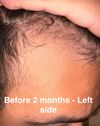
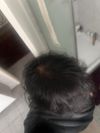
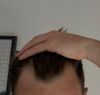
The user has been experiencing continuous hair loss despite using finasteride, minoxidil, and dermastamping. They are seeking advice on what to do next.
The user is considering a hair transplant for crown hair loss but is anxious about recovery and results. They are debating whether to try oral minoxidil for 6-12 months before surgery and whether to address their hairline during the transplant.
The user experienced hair regrowth with finasteride and minoxidil but faced shedding after stopping the treatment. They resumed the treatment and used Toppik hair fibers to mask hair thinning during the shedding phase.
Hair loss is primarily caused by genetic sensitivity to DHT, not lifestyle factors like diet or exercise. Treatments like Minoxidil and Finasteride can help, but it's important to consult a dermatologist to determine the best approach for individual cases.
Fighting hair loss with "The Big 3" treatments of Propecia, Rogaine and Nizoral shampoo, as well as specific advice on how to use these products. People have shared their long-term success stories and some have discussed the side effects of finasteride. Other suggestions included Lipogaine and Pura D'or Hair Loss Prevention Therapy Shampoo & Conditioner.
An 18-year-old experiencing rapid hair loss is advised to use Minoxidil and finasteride to regrow hair and prevent further loss. Patience is recommended as these treatments take time to show results.
The user is concerned about the lack of improvement in hair density 12 months after a hair transplant on the crown, despite using minoxidil. The doctor suggests the native hair is thinning, but the user disagrees.
The conversation discusses hair shedding while using Minoxidil and dutasteride, noting that shedding can occur even months into treatment as part of the hair cycle. Despite shedding, previous regrowth suggests the treatment is effective.
A 25-year-old is considering treatments for hair regrowth, including ketoconazole shampoo, 5% Minoxidil, Minoxidil with Tretinoin, and possibly ordering RU58841. They are hesitant about using Dutasteride or Finasteride due to perceived risks but are motivated to regrow hair to improve appearance due to visible veins from low body fat.
The user is considering a hair regrowth routine using minoxidil, a laser cap, and possibly topical finasteride, while avoiding oral finasteride due to past surgery concerns. They plan to use these treatments for 6-8 months before consulting a hair transplant doctor.
A 30-year-old considering a hair transplant has been using treatments like oral Minoxidil, Dutasteride, topical Minoxidil, copper peptide serum, red light laser therapy, microneedling, and vitamin therapy for hair loss. They are advised that a hair transplant is still an option, but maintaining current treatments is crucial to support the transplant and prevent further hair loss.
A 20-year-old male has been experiencing hair loss since age 16 and has tried various treatments including topical minoxidil, topical and oral finasteride, and oral dutasteride with minoxidil, but has not seen significant improvement. He is currently using 1.5mg dutasteride and 5mg oral minoxidil daily, along with derma penning, and is seeking advice on regrowing hair to avoid using hair fibers.
The user is using Minoxidil, Finasteride, a dermaroller, vitamin D, and anti-hair loss shampoo for hair loss treatment. They are seeking feedback on whether there is improvement after two months and if noticeable results can be expected within six months.
The user has been experiencing worsening hair loss despite using finasteride, minoxidil, and later switching to dutasteride. Despite normal bloodwork and consulting dermatologists, the hair loss continues without improvement.
A 24-year-old male has been using dutasteride and Minoxidil for over a year, previously used finasteride for 8 months, but hasn't seen significant hair regrowth and is concerned about hair loss on the sides. He follows a regimen of taking dutasteride every three days and applies Minoxidil twice daily.
The user tried finasteride and oral minoxidil for hair loss but stopped due to concerns about side effects. They also stopped using shampoo, which may have affected their hair loss.
The user is experiencing hair thinning at the crown and midscalp and is seeking advice. They are considering treatments like Minoxidil, finasteride, and RU58841.
A 20-year-old is experiencing hair thinning and is considering Clascoterone and Minoxidil as treatments, avoiding finasteride due to concerns about fertility and hormones. A suggestion was made to use Clascoterone for local DHT targeting and combine it with Minoxidil for maintenance and regrowth while avoiding systemic side effects.
The user is using finasteride 1mg daily for one month and ketoconazole three times a week for three months. They are comparing hair progress with photos from December 2025 and March 2026.
A 19-year-old is unsure if their hair is receding or just maturing and is seeking opinions before starting treatments like Minoxidil, finasteride, or RU58841. They shared recent and past photos to compare changes over a few months.
The user has been using finasteride for 18 months and minoxidil for 9 months, recently switching to dutasteride, but still struggles with hair growth at the hairline. They are considering taking creatine and are unsure if it would be a bad idea.
A 20-year-old is concerned about hair progress after two months on finasteride and minoxidil. They are advised that initial shedding is normal and real progress may take 6-12 months, with stress possibly affecting results.
The user is seeking advice on safe hair loss treatments for a household with pets, avoiding minoxidil due to its danger to cats. They are considering alternatives like dutasteride and looking for affordable options.
The user is experiencing hair loss and has tried natural remedies like hibiscus shampoo and an oil mixture with coconut oil, curry leaves, fenugreek seeds, and castor oil, but saw no lasting improvement. They are advised to consult a dermatologist and consider treatments like finasteride, minoxidil, and Nizoral shampoo.
The conversation is about hair loss and correcting vitamin deficiencies, specifically D3, B12, and folic acid. The user is considering if these deficiencies impact hair growth and mentions starting supplements.
A 19-year-old is experiencing worsening hair loss and severe seborrheic dermatitis despite using finasteride for six months. Nizoral (ketoconazole) is no longer effective, and they are seeking over-the-counter solutions and advice for an upcoming dermatologist visit.
The conversation discusses using RU58841 for hair loss, with OP experiencing thinning in the front area and steady hair loss. OP plans to try microneedling while avoiding finasteride and dutasteride.
A 22-year-old is planning a hair transplant for the end of 2027 and is currently using finasteride, switching to dutasteride soon, and taking oral minoxidil to stabilize hair loss. They are seeking advice on candidacy and the number of grafts needed.
The user is considering whether to continue using a comb-over to hide thinning hair after a hair transplant, which helped the front but not the crown. They are seeking advice on whether to maintain the current style or change it due to noticeable balding.
A 38-year-old male is experiencing temple hair loss and is considering treatments like topical Finasteride and Minoxidil, despite concerns about side effects and shedding. He is also contemplating a hair transplant and seeking advice on additional shampoos or supplements.