A 26-year-old male is experiencing hair loss and is interested in Botox scalp injections as a treatment, preferring it over finasteride due to fewer hormonal impacts. He seeks recommendations for US doctors offering this treatment and feedback from those with experience.
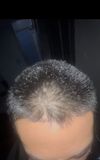
The conversation advises against waiting for future hair loss treatments and suggests using proven treatments like Finasteride and Minoxidil. Some users regret not starting treatment earlier, while others discuss the effectiveness and safety of current treatments and the potential of microneedling.
A potential treatment for hair loss that involves injecting fat into the scalp; the role of testosterone and estrogen in thinning fat tissue under the skin; research on using lard to treat androgenic alopecia, as well as PRP + ACELL/amniotic stem cell treatments; and ongoing clinical trials by doctors involved in the study.
A 27-year-old male is experiencing hair loss and dandruff, despite trying various treatments like cortisone, diflucan, and natural remedies. He is considering shaving his head and is seeking advice on the "Big 3" treatment, which includes Minoxidil, finasteride, and RU58841.
The user shared positive results after using 5% minoxidil foam nightly and dermastamping weekly for hair growth, noting significant progress after three months. They plan to add finasteride in the future but are currently avoiding it due to age.
A user shared their 6-month progress using 1mg finasteride daily for hair loss, noting no significant shedding or changes in hair condition. They are considering starting oral minoxidil and received advice suggesting dutasteride and oral minoxidil 5mg for better regrowth.
A 19-year-old male using 1 mg finasteride every two days for hair loss reports no side effects and believes maintaining his current hair condition is progress. Some users see no difference in hair regrowth, attributing changes to lighting.
The user shared progress pictures over four months using topical finasteride (0.1%) and minoxidil, initially at 7% and later increased to 10%, with retinoic acid. Another user suggested trying a hair system or shaving, doubting the effectiveness of the treatments.
The user experienced significant hair regrowth using finasteride and minoxidil over a year. They initially used finasteride 0.1 mg with minoxidil, then switched to finasteride 0.5 mg without minoxidil, and are considering adding minoxidil and dermastamping again.
Dutasteride is more effective in gel capsule form due to better absorption, as it is fat-soluble. If only pills are available, taking them with fat or increasing the dose slightly may help.
The conversation discusses switching from topical to oral Minoxidil for hair loss treatment, with the expectation of better results due to systemic delivery. The user has been using Finasteride, topical Minoxidil, and dermastamping, maintaining hair but seeking more regrowth.
The conversation discusses various treatments for hair loss, including high doses of dutasteride, oral minoxidil, RU58841, microneedling, ketoconazole shampoo, and other supplements like pumpkin seed oil and multivitamins. It also touches on more extreme measures like estrogen therapy and castration, with some users emphasizing the importance of overall health and nutrition.
Switching from finasteride to dutasteride and back to finasteride, with mixed results on hair loss and side effects like oily skin and acne. Some users experienced regrowth with oral minoxidil, while others noted differences in effectiveness and side effects between the two medications.
An 18-year-old experiencing aggressive hair loss has been using 1mg finasteride and 2.5mg oral minoxidil for 162 days but continues to shed hair. Suggestions include switching to dutasteride, considering topical minoxidil, and consulting a dermatologist for further evaluation.
After a hair transplant, it's advised to stop using RU58841 and minoxidil to avoid irritation, resuming them 25-30 days post-surgery if the scalp is healed. The user is currently using finasteride, minoxidil, and RU58841, but there are concerns about the safety and efficacy of RU58841 in humans.
An 18-year-old male using topical finasteride and minoxidil for hair loss is considering adding oral finasteride. Users advise against combining both forms of finasteride due to increased side effects and suggest switching to oral finasteride or dutasteride for better results, noting that finasteride is less effective on hairlines.
The conversation discusses hair regrowth using topical RU58841 and Minoxidil. Users suggest adding finasteride or dutasteride for better long-term results.
A 30-year-old woman has been using oral minoxidil and spironolactone for hair loss without success for 18 months and is considering switching to topical minoxidil. Users suggest trying topical minoxidil, dermastamping, red-laser therapy, and checking hormone levels, while noting that oral minoxidil is often more effective than topical.
The conversation discusses hair loss caused by Trenbolone use, with suggestions to stop using it and consider treatments like Minoxidil, Dutasteride, and RU58841. It highlights that Minoxidil may temporarily regrow hair, but stopping Trenbolone is crucial to prevent further hair loss.
The user experienced significant regrowth in the crown and hairline using 1.25mg finasteride daily for 13 months but noticed thinner scalp density. Suggestions included adding topical minoxidil or 0.5mg dutasteride, as scalp regrowth may lag behind other areas.
A 24-year-old male has been using topical Minoxidil twice daily for nearly three months and is considering reducing the application to once daily. Users suggest adding finasteride or dutasteride for better long-term results and recommend combining treatments like microneedling, ketoconazole shampoo, and tretinoin for maximum effectiveness.
The conversation discusses hair loss treatments, specifically using finasteride and minoxidil, and emphasizes taking proactive steps rather than blaming external factors. It also touches on the reality of side effects and the importance of trying treatments to find what works.
The user has been using finasteride for 13 months and minoxidil for 2.5 years but continues to experience significant hair loss. Suggestions include switching to dutasteride and increasing the oral minoxidil dose to 5mg, while also considering lifestyle changes like diet and stress management.
An 18-year-old male with a family history of baldness started using 5% minoxidil and 0.01% finasteride spray for hair loss. Suggestions included getting a blood test, considering oral dutasteride, and trying oral minoxidil.
Switching from dutasteride to finasteride may result in some hair loss, as finasteride is generally considered less effective. However, maintaining some treatment is better than stopping entirely, and the change might not be drastic.
Finasteride helps with hair loss by lowering DHT levels in the scalp, which is more important than blood DHT levels. If finasteride is not effective, consulting a doctor or considering switching to dutasteride may be advisable.
The user must stop minoxidil due to a heart murmur and is considering alternatives like nanoxidil or stemoxydine while continuing dutasteride. Suggestions include adding pyrilutamide and alfatradiol or switching to topical minoxidil at a lower concentration.
Creatine does not increase testosterone or DHT, and there is no evidence it causes hair loss. Some users report improved gym performance and mood with creatine, while others are concerned about potential hair loss, but scientific research does not support these concerns.
The user experienced significant hair growth using oral minoxidil and finasteride over nine months. The progress was well-received, with many noting impressive results.