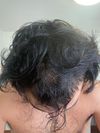
The conversation discusses using USB microscopes for scalp photos and provides a link to an overview of trichoscopy. Treatments mentioned include Minoxidil, finasteride, and RU58841.
The conversation discusses using natural alternatives like saw palmetto, pumpkin seed oil, pygeum, and nettle extract for hair loss, alongside treatments like nizoral, dermastamp, red light, and rosemary oil. Opinions vary, with some users skeptical about the effectiveness compared to finasteride, and concerns about potential side effects.
The conversation is about documenting hair loss over four years leading up to a hair transplant, with photos showing the progression. The next post will cover the experience and recovery from an FUE transplant.
The post discusses a 10-year battle with hair loss using treatments like biotin, Rogaine, Dualgen 15% Minoxidil, dermaroller, and various skin care products. Despite some side effects, the user maintains a full head of hair and is considering a hair transplant in the future.
Balding can be traumatic for many, affecting self-esteem and social interactions, while others accept it more easily. Treatments mentioned include finasteride, minoxidil, and RU58841.
Hair loss treatments are difficult because hair follicles react differently to hormones and have varying growth cycles. Treatments mentioned include Minoxidil, finasteride, and RU58841.
A 25-year-old female is experiencing hair loss and has tried PRP, Minoxidil 5% with Biotin, and weekly needling sessions. Her doctor suggested switching to GFC treatment and stopping the needling sessions due to increased shedding, which may be caused by Minoxidil.
The user has trouble applying minoxidil foam to their long, curly hair and experiences product buildup, leading to frequent hair washing. They are considering switching to liquid minoxidil but are concerned about scalp sensitivity and do not want to use oral treatments. Another user suggests that topical minoxidil doesn't need to be applied to the entire scalp to be effective.
Concerns about hair loss treatments, specifically finasteride and minoxidil, and doubts about a bald dermatologist prescribing them. Users recommend finding a dermatologist who prescribes effective treatments or exploring online options for finasteride.
Young guys with thick hair asking if they're going bald and people discussing early action for hair loss treatments like Minoxidil and Finasteride. Some users share their positive experiences with these treatments.
Hair loss requires proper diagnosis as it can have various causes, and treatments like finasteride, minoxidil, and dutasteride are often used. Many people express frustration with dermatologists and turn to self-research and alternative sources for treatment.
People discuss different methods for applying minoxidil foam to the scalp, with some using their hands, caps, or brushes for better coverage. Concerns about finasteride causing hair shedding are addressed, clarifying that healthy hair should not fall out.
The user is considering using Tacrolimus Solution and topical Dutasteride to avoid shedding caused by Minoxidil, which they fear may lead to facial side effects. They are also concerned about scalp sensitivity and are exploring different treatment bases to manage seborrheic dermatitis.
The conversation discusses hair loss causes beyond male pattern baldness, mentioning treatments like ketoconazole, zinc shampoo, and finasteride. Stress-related hair loss (telogen effluvium) is also suggested.
A user has been experiencing hair loss for 4 years, with treatments like minoxidil, finasteride, and various supplements proving ineffective. They were diagnosed with fibrosing alopecia in a pattern distribution, a condition that may require a combination of anti-inflammatory and hair growth treatments.
The hair transplant has a straight, unnatural-looking hairline that many find unappealing. The person is not using finasteride or minoxidil, which may affect future hair retention.
User experienced new hair growth after using Head and Shoulders 2-in-1 shampoo/conditioner, attributing it to pyrithione zinc reducing scalp inflammation and DHT. They seek others' experiences with anti-dandruff products.
The user has been using a combination of finasteride/dutasteride, minoxidil, tretinoin, and hydrocortisone with microneedling and ketoconazole shampoo for hair loss. They are asking if the baby hairs growing will turn into terminal hairs with continued treatment.
Users discuss hair loss and styling techniques to conceal thinning hair, mentioning treatments like finasteride and oral minoxidil. Some stop hair loss but not regrow hair, considering options like scalp micropigmentation or hair transplants.
Hair loss treatments, particularly using finasteride and minoxidil. The user has experienced positive results from taking finasteride with no side effects and suggests listening to the podcast of Spencer Kobren for more information on such treatments.
The user is experiencing diffuse hair loss due to high testosterone levels and has tried various treatments including finasteride, minoxidil, nanoxidil, keto/caffeine shampoo, dermarolling, and RU-58841 with limited success. They are seeking advice on safely lowering testosterone levels to manage hair loss.
The post is an update on the user's hair loss journey. They have a strong hair follicle that has remained unaffected by hair loss for almost 3 years. The user is starting finasteride and using ketoconazole, alfatradiol, and oral castor oil for hair maintenance.
A 51-year-old shared progress on hair regrowth using topical Minoxidil and Finasteride over four months, noting significant improvement and plans for future hair transplants. The user emphasized the benefits of modern treatments and societal changes in attitudes towards hair loss.
Silicone scalp massagers are claimed to slow or reverse hair loss and improve hair regrowth, with users reporting reduced shedding and scalp tension. Some users also mention using them alongside treatments like minoxidil and finasteride for better results.
The conversation discusses hair loss treatments, focusing on finasteride, minoxidil, and other options like PRP and ketoconazole. It highlights the importance of asking specific questions during a dermatology visit to determine the cause of hair loss and appropriate treatments.
A woman using minoxidil for hair loss is trying hair fibers but finds they look like dandruff. Suggestions include using pomade, Derm Match, matte eye shadow, mascara, and spray applicators for a more natural look.
A 22-year-old male experiencing hair thinning has been using topical finasteride and minoxidil since September 2024, with improvement except in the frontal/middle scalp area. He seeks advice on additional treatments and has started scalp massages.
The user has been dealing with hair loss for 10 years, worsened by psoriasis, and uses minoxidil and finasteride. They seek advice on managing psoriasis and hair loss, with suggestions to see a dermatologist, try different shampoos, and be patient.
Seborrheic dermatitis improved after a hair transplant. Effective treatments include Sebamed Anti-Dandruff Shampoo, Vichy Anti-Dandruff Shampoo, Nizoral, and medications like finasteride, dutasteride, and minoxidil.