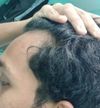
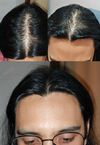
The user's experience of using Finasteride 5mg and Aldactone 50mg to treat Female Pattern Hair Loss, as well as their use of PRP injections for further hair growth.
People notice more young individuals experiencing hair loss and discuss possible reasons, such as diet, hormones, and stress. Some treatments mentioned include finasteride, dutasteride, and minoxidil.
A user started using minoxidil and noticed a significant reduction in hair fall after two days. Other users expressed skepticism, suggesting that results typically take longer and may initially increase hair shedding.
Pumpkin seed oil is discussed as a potential treatment for hair loss, but the study cited is criticized for using a product with multiple ingredients, making it unclear if pumpkin seed oil is effective. The conversation concludes with skepticism about the study's validity and mentions that pumpkin seeds might help with DHT blocking.
A user's father, mostly bald for 20 years, is regrowing hair using a serum called "Skrzypovita Serum Pro" without minoxidil. The user is curious about which ingredients might be causing hair growth.
The conversation discusses six home remedies to prevent hair loss: oil massage, aloe vera, onion juice, beetroot, and flaxseed. These methods aim to improve scalp health, promote hair growth, and reduce hair fall.
The conversation discusses using minoxidil for hair growth and asks for recommendations on shampoos, conditioners, and other products to support hair growth and stop hair loss. It also inquires about the frequency of washing hair and the effects of using oils like coconut oil on pores.
A 33-year-old male experienced sudden, rapid hair loss, possibly due to a reaction to mentholated shampoo and undiluted tea tree oil, with a history of seborrheic dermatitis. He is currently taking finasteride, vitamin D3, a multivitamin, and biotin, and is seeking further medical evaluation.
A 23-year-old male is experiencing rapid hair thinning and receding hairline, feeling emotionally drained. He has tried GFC, PRP, ketoconazole shampoo, and supplements without improvement and is considering minoxidil, finasteride, and possibly a hair transplant.
The user is considering switching from Finasteride to Dutasteride for better hair regrowth while using Oral Minoxidil. They are unsure about their progress and are contemplating increasing the Minoxidil dosage or trying Dutasteride.
Topical finasteride 0.01% may not show results after 2 weeks; it typically takes 3-6 months. Consistent application is advised for potential hair maintenance.
The conversation discusses skepticism around claims that dutasteride worsens hair loss, with some users suggesting misinformation or panic during shedding as reasons for such claims. One user shared their negative experience with dutasteride, including increased sebum production and hair loss, and is now considering a higher dose of oral minoxidil after stopping dutasteride.
The individual has experienced a sore, stiff, and itchy scalp with hair loss for 4.5 years, and has noticed increased thinning and miniaturized hairs, especially at the temples. They have tried ketoconazole shampoo without success and are considering finasteride for treatment.
The user is experiencing a minoxidil shed after six months of use, noting a significant number of miniaturized hairs compared to mature ones, and has been on finasteride 0.5mg daily for two years with positive results. The user meticulously counts and categorizes shed hairs, sparking reactions ranging from amusement to concern over the level of obsession.
DHT is not the only cause of male pattern hair loss; genetic sensitivity, inflammation, and fibrosis also contribute. GHK-Cu, a copper peptide, is being explored as an alternative treatment to finasteride and minoxidil, showing potential in improving follicle health.
Minoxidil alone can work for some people, but it may not address DHT-related hair loss. Adding a derma roller and using ketoconazole shampoo might improve results.
The user is unhappy with the results of their second hair transplant, feeling that grafts were wasted on an already transplanted hairline instead of increasing mid-scalp density. They regret stopping medications like Dutasteride, Minoxidil, and RU58841, which led to significant hair loss, and plan to restart them.
The conversation discusses applying minoxidil effectively to the scalp for hair loss, with suggestions like parting hair, using a dropper, and considering liquid over foam. Some users also mention using finasteride and keeping hair short for better application.
A 35-year-old MTF individual shared their hair recovery journey, using Minoxidil, Dutasteride, Estradiol, Spironolactone, Microneedling, and Exosomes. They recently had a hair transplant and are documenting the healing process.
User shared 2.5-year progress using finasteride for hair loss, showing significant improvement and reduced hair shedding. Persistence with finasteride led to thicker hair and fewer hair fall issues.
Improving diet and taking supplements like Biotin, B12, D3, iron, zinc, and protein can enhance the effectiveness of hair treatments. However, responses to treatments like Minoxidil and finasteride vary, and some users report no improvement despite a good diet.
A user has been on finasteride for 4 months, experiencing persistent hair shedding despite improvements. Others suggest adding keto shampoo and note that shedding is normal.
A user has been on finasteride for 6 months and feels their hair quality has worsened, experiencing more hair loss and scalp irritation. They are considering seeing a dermatologist, while others suggest the issue might be unrelated to finasteride, possibly due to deficiencies or other conditions.
The conversation is about using tretinoin cream on the scalp for hair loss, including questions about the duration of use, daily amount applied, any issues faced, and its effect on hair fall and oily scalp. Specific treatments discussed are not mentioned in the provided text.
The post and conversation are about a user's one-year progress in treating hair loss. The user used 1 mg of finasteride daily, foam minoxidil once daily, and 1% ketoconazole shampoo 3-4 times a week. The conclusion is that patience and consistency are important in treating hair loss.
The user "Mysterious_Aspect364" shared their progress with hair loss treatments. They have been using finasteride and minoxidil for a year and six months respectively. The replies mostly congratulate the user on their progress and suggest using a dermaroller with 1.0 needles on the hairline combined with minoxidil.
A user shared their positive 4.5-month hair regrowth experience using Minoxidil, finasteride, a caffeine shampoo with rosemary oil, a dermaroller with Nizoral, and pumpkin seed oil capsules. They started treatment due to accelerated hair loss and are now seeing no hair fall during shampooing.
Taking curcumin, omega-3 fish oil, vitamin D, and theaflavin supplements significantly reduced hair fall. The user suggests others try these supplements and report their results.
A user reported that taking iron polymaltose significantly reduced their hair loss. They also mentioned hair loss due to DHT and asked if hair loss from iron deficiency is permanent or temporary.
Minoxidil, finasteride, and RU58841 have stopped extreme hair loss and promoted regrowth over the past two months. The combination of these treatments has been effective for the user.