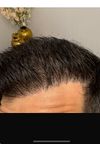
A 26-year-old is experiencing hair loss despite using minoxidil and dutasteride. Suggestions include shaving his head, trying oral minoxidil, or considering a hair transplant.
Finasteride is effective in promoting hair growth and reversing hair miniaturization in men with androgenetic alopecia, with improvements seen in various studies over different durations. Some users report initial side effects like ball ache, which often resolve as the body adjusts.
Transplanted hairs are thinning after switching from topical to oral minoxidil, with increased shedding and miniaturization. The user is considering reintroducing topical minoxidil and has started using ketoconazole shampoo.
The user plans to switch from dutasteride back to finasteride due to worsening hair loss, possibly due to increased scalp testosterone. Others report mixed results with both treatments, showing individual variability.
A 19-year-old experienced worsening hair loss after 4 months on finasteride, despite initial improvement with minoxidil. The consensus is to continue treatment for at least a year, as shedding is common and often temporary.
A user shared their progress after using a topical treatment combining 5% Minoxidil and 0.1% Finasteride for two months to address hair loss at the temples. They apply 5ml nightly without side effects and plan to switch to a different brand soon.
A user shared their experience of hair loss progression after one year on dutasteride, expressing disappointment with no improvement and considering other treatments like RU58841. Other users offered mixed responses, some seeing no change, others suggesting the hair loss might have been worse without treatment, and discussing the role of testosterone and DHT in hair loss.
The post is about a user's progress with hair loss and the effectiveness of finasteride as a treatment. The conclusion is that the user did not see any progress with their hair loss after being on finasteride for a year.
The user "ninezske" shared their progress pictures of hair regrowth after using oral finasteride, topical minoxidil, and dermarolling. Other users commented on the results and discussed the effectiveness of minoxidil and finasteride.
There is no natural way to stop hair loss; pharmaceuticals like minoxidil, finasteride, and RU58841 are the only effective treatments. Some users report success with minoxidil and microneedling, while others discuss the side effects of finasteride.
PP405 is being discussed as a potential hair loss treatment, possibly more effective than minoxidil. There are concerns about its effectiveness and product contamination, but some users report early signs of hair regrowth.
The user has been taking finasteride for 1.5 years without seeing improvement in hair regrowth. Suggestions include adding minoxidil or switching to dutasteride, with concerns about side effects.
An 18-year-old is using finasteride for hair loss prevention despite having a healthy hairline. Opinions are mixed, with some advising against its use at his age and others supporting his proactive approach.
After 8 months on finasteride, the user experiences increased hair shedding and thinning, despite also using minoxidil and microneedling. They consider switching to dutasteride but decide to continue the current regimen for a year before reassessing.
A user shared their disappointing results after 1.5 years of hair treatments, including a hair transplant, finasteride, minoxidil, PRP, vegan shampoo, and more. They are considering switching to dutasteride, oral minoxidil, and improving their microneedling routine.
A user started using RU58841 a month ago after using finasteride and minoxidil for nearly three years, hoping for hair regrowth at the temples. Other users suggest vitamin B supplements and microneedling to improve hair thickness, and one mentions the possibility of a hair transplant for the temples.
The conversation is about differing experiences with finasteride for hair loss, with some users reporting side effects and others not, and the debate over the drug's safety and effectiveness. Specific treatments mentioned include finasteride, dutasteride, and topical finasteride.
The conversation discusses the effectiveness of finasteride and dutasteride in treating hair loss, emphasizing that significant results often take 12-18 months or more. Dutasteride is generally considered superior, with similar or fewer side effects than finasteride, but patience is required for noticeable improvement.
The conclusion of the conversation is that the user experienced significant hair regrowth after taking finasteride for a year. They did not use any other treatments and did not experience any noticeable side effects.
The post and conversation are about a user's experience with hair loss treatments, specifically switching from finasteride to dutasteride. The user experienced significant hair shedding after the switch, with others suggesting patience, noting similar experiences, or questioning the user's decision and medical consultation.
The conversation discusses the ineffectiveness of tablet forms of dutasteride for hair loss due to poor absorption compared to soft gel capsules. It suggests switching to FDA-approved soft gel capsules for better results, as tablets may not adequately suppress DHT levels.
A 23-year-old male has been using finasteride for about 21 months and initially saw improvements in hair thickness and hairline. However, after a recent buzzcut, he noticed his hair growing back thinner and his hairline receding, questioning if it's a synchronized shed or if finasteride is losing effectiveness.
The user is discussing hair regrowth after 7 months of using topical minoxidil and RU58841, with some microneedling. They are hesitant to switch to finasteride or dutasteride and are seeking input on whether there is new growth or just more miniaturization.
The user is considering adding Pyrilutamide or Alfatradiol as a topical treatment for hair loss after oral Finasteride and Dutasteride became less effective. Other users suggest Pyrilutamide for its safety profile, while one user shares positive experiences with RU58841 for reducing scalp itch and improving hairline.
A user increased their finasteride dosage from 0.5 mg to 1 mg due to ongoing hair miniaturization, despite some improvement. They are considering dutasteride and have not used minoxidil, but are cautious about potential side effects.
People have been using finasteride for 10 to 20+ years to maintain their hairline, with many reporting success and no significant side effects. Some users have combined finasteride with minoxidil for better results, and a few have switched to dutasteride or added hair transplants when finasteride was less effective.
A user was prescribed ketoconazole shampoo by their dermatologist for early-stage hair loss, but is unsure if this is the right treatment. Most commenters suggest seeking a second opinion or starting finasteride treatment immediately, while a few caution about potential side effects.
This conversation is about the user "Such_Ad7910" sharing progress pictures of their hair loss treatments, which include minoxidil and derma rolling. They recently got a prescription for finasteride to further help with their hairline, and multiple people have commented urging them to use it.
A 22-year-old had a 3,500 graft hair transplant to restore his original hairline and improve density, while using dutasteride and oral minoxidil to manage hair loss. He believes being proactive with medication prevented further loss and allowed for a successful transplant.
The user is using RU58841, dutasteride, and minoxidil for hair loss, storing RU58841 in the fridge and applying it nightly. They report more baby hairs on the temples but are unsure if it's due to new growth or miniaturization, and seek advice on mixing and results from RU58841.