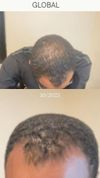
User experienced significant hair loss and tried treatments including Finasteride, Minoxidil, scalp massages, microneedling, and Nizoral shampoo. After focusing on overall physical and mental health, user saw dramatic improvement in hair growth.
A user who experienced hair loss at age 23, but started treatment with finasteride, minoxidil, Nizoral shampoo, dermarolling and biotin vitamins at age 32 and saw significant regrowth results in 1 year. Treatment methods such as rolling their head on the carpet were also discussed.
Finasteride helped OP recover their hairline, and they did not use minoxidil. OP experienced significant hair regrowth with finasteride, similar to their father's experience.
A user is concerned about receding hairlines and considers using finasteride and minoxidil but is hesitant due to potential side effects. Others advise starting treatment early to prevent further hair loss, emphasizing that finasteride is generally safe and effective for prevention.
Young individuals with seemingly healthy hairlines are using treatments like finasteride, dutasteride, and minoxidil, possibly due to paranoia or proactive prevention of hair loss. Some believe social media influences this behavior, while others argue for waiting until actual hair loss begins before starting treatment.
Minoxidil and finasteride have improved hair thickness and density, but temple areas remain stubborn. Continued use is recommended, with suggestions for topical minoxidil, microneedling, or considering a hair transplant for further improvement.
Switching from finasteride to dutasteride led to hairline regression and scalp issues for some users, prompting a return to finasteride. Users reported better maintenance and regrowth with finasteride compared to dutasteride, despite using oral minoxidil throughout.
The user reported slight improvement in hairline using 1% Clascoterone cream over three months but found it too costly to continue. They expressed interest in trying a 5% concentration if it becomes available at a reasonable price.
A 31-year-old is happy with hair regrowth and thickening after using 0.5 mg dutasteride daily and 5% topical minoxidil. Initial results appeared in six months, with continued improvement over time.
A 25-year-old has been using finasteride for about 8 months, noticing significant hair thickening and reduced hair loss, with no side effects. They recently started micro-needling and plan to begin using minoxidil.
Avoid layering thin or thinning hair, as it can make hair appear thinner and uneven. Proper framing and minimal layering can help maintain a fuller look, especially when using treatments like Minoxidil and Finasteride.
A 24-year-old experienced improved hair growth using 5% minoxidil, 1 mg finasteride, and dermastamping, but faced side effects like low libido and mild erectile dysfunction. They plan to reduce finasteride dosage after full results and may consider a hair transplant if thinning recurs.
The user is experiencing a receding hairline and is considering treatments. They are seeking advice on whether to use finasteride, minoxidil, or both for hair preservation and potential regrowth.
Finasteride and minoxidil help maintain hair and slightly improve hairlines but are less effective at regrowing hair in bald areas, often needing a hair transplant for full restoration. Many users report no side effects and wish they had started treatment earlier.
A 17-year-old is experiencing hairline recession and thinning, currently using minoxidil without success, and seeks to buy finasteride without needing ID. They are looking for legitimate websites to purchase finasteride.
A user shared their 5-month hair loss treatment progress using 5% topical Minoxidil, 0.75-0.80mg Finasteride, and occasional microneedling. They noted improvement in their hairline and plan to update at 8 months and 1 year.
A 29-year-old man regained his hairline using a consistent routine of topical minoxidil and finasteride, along with pumpkin seed oil, despite experiencing side effects like low libido and ED. He emphasizes the importance of consistency and is satisfied with his progress, choosing to avoid oral treatments due to potential side effects.
The user is happy with their hair transplant results after 6 months, using minoxidil and PRP sessions, but is unsure about not addressing the temples. Others reassure them that the hairline looks natural and age-appropriate, though some suggest considering finasteride or dutasteride for maintenance.
The user has tried various hair loss treatments, including minoxidil, finasteride, ketoconazole, biotin spray, oral medications, and a Revian cap, but has not seen lasting improvement. They are considering stopping treatments and are frustrated with the lack of progress and the financial and emotional toll.
Stopping finasteride often leads to rapid hair loss, returning to a genetic baseline, as the drug temporarily halts hair loss and promotes regrowth. The discussion explores the complexity of hair loss, suggesting that factors beyond DHT, such as genetics and scalp conditions, may play a role.
The post discusses hair loss treatment progress using oral finasteride 1mg daily for 6 months, with improvements in the hairline but not the crown. The user avoids minoxidil due to side effects and plans to try PP405 for better density.
Oral minoxidil and spironolactone helped restore the hairline but not the scalp behind it. Hairline and temples often respond first to treatment, with mid-scalp and crown following later.
Finasteride significantly improved hair density and hairline over 3.5 years, with no major side effects reported. Users discussed the effectiveness of finasteride, with some considering adding or switching to minoxidil, and shared personal experiences and timelines for seeing results.
An 18-year-old noticed significant hairline recession and is concerned about further hair loss. They plan to improve their lifestyle and are advised to use finasteride and minoxidil and consult a dermatologist.
A 26-year-old is experiencing hair loss despite using minoxidil and dutasteride. Suggestions include shaving his head, trying oral minoxidil, or considering a hair transplant.
A 25-year-old male has been using finasteride since October 2022 to combat diffuse thinning and hairline recession, experiencing initial shedding but later stabilization. He plans to add oral minoxidil to improve hair density and is open to trying dutasteride if necessary, with minimal side effects reported.
A person had a successful hair transplant in Turkey with 3200 grafts using FUE and DHI techniques, and is satisfied with the results after 9 months. They have been using finasteride for 7 years to maintain hair health.
The user is experiencing a receding hairline and strong shedding after starting minoxidil 10 days ago, applying it only on the temples. They are considering using it on the entire scalp and have started using conditioner and leave-in treatments for weak, wavy/curly hair.
A 29-year-old male experienced significant hair regrowth after 9 months using oral dutasteride and topical minoxidil twice daily. The results show almost full crown regrowth and some hairline improvement.