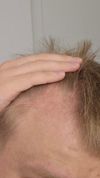
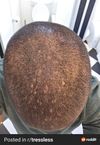
A user is experiencing hairline recession and has started using RU58841, applying it to the temples. They are seeking advice on the appropriate dosage for this specific area.
A user shared progress pictures after 2 years on 0.5mg finasteride daily, also using minoxidil, showing significant hair improvement. The user noted their hairline is almost fully recovered.
The user has been using minoxidil daily, finasteride three times a week, and ketoconazole 1-3 times a week for a year to treat hair loss, resulting in noticeable hair regrowth at the hairline and temples, with minor side effects like itching and dandruff. They started with minoxidil a month before the other treatments and experienced an initial shedding phase for about six weeks.
The conversation is about the impressive hair density and hairline of a person, with users attributing it to good genetics and joking about the lack of hair loss despite stress. Specific hair loss treatments like Minoxidil, Finasteride, or RU58841 are not discussed.
User achieved hair regrowth using 1 mg oral finasteride, topical minoxidil twice daily, and occasional microneedling. They are happy with the progress despite still having thin hair on top.
User has maintained hairline with minoxidil for 8 years but now seeks to add topical finasteride due to increased hair loss. They request advice on making a homemade finasteride solution, including ingredient recommendations and optimal percentages for ethanol and glycerin.
The conversation is about a 9-month hair regrowth progress using Dutasteride 0.5mg and Oral Minoxidil 2.5mg daily. Users commented on the improved hair quality and requested to see the hairline.
User improved hairline with 2 years on finasteride (8 months dutasteride) and daily topical minoxidil, recently started oral minoxidil. No side effects experienced, and user's doctor approved dutasteride for a boost.
This user has experienced hair loss, and treated it with a combination of finasteride and minoxidil for one year. They have reported slight heart palpitations and headaches, which diminished after the third month of treatment.
The user is experiencing hairline thinning despite using finasteride, minoxidil (solution and foam), dermastamping, and tretinoin. They suspect minoxidil or tretinoin might be causing the issue but are unsure.
The user experienced hairline improvement using microneedling once a month with a 12-pin set at 1.5-2.0mm and taking Tru Niagen, alongside a heavily modified diet. They attribute the slow hairline improvement to environmental factors, particularly diet, rather than solely genetic factors.
The user regrew their hairline using mechanical stimulation, including a 1.5mm derma roller weekly, daily scalp massages, and other treatments like Nizoral, zinc pyrithione, fish oil, and Lipogaine The Big 5. They did not use Minoxidil or finasteride.
A user reported hairline regrowth after two weeks on a treatment including finasteride, peppermint and rosemary oils, emu oil, magnesium oil spray, apple cider vinegar, and dermarolling, while avoiding shampoos and conditioners. They believe DHT contributes to hair loss but also suggest follicle fibrosis is an issue.
Oral Dutasteride and topical Minoxidil significantly improved hair regrowth over nine months. Other users shared mixed results and side effects with treatments like oral Minoxidil and Finasteride.
A user is concerned about receding hairlines and considers using finasteride and minoxidil but is hesitant due to potential side effects. Others advise starting treatment early to prevent further hair loss, emphasizing that finasteride is generally safe and effective for prevention.
Young individuals with seemingly healthy hairlines are using treatments like finasteride, dutasteride, and minoxidil, possibly due to paranoia or proactive prevention of hair loss. Some believe social media influences this behavior, while others argue for waiting until actual hair loss begins before starting treatment.
Switching from finasteride to dutasteride can worsen hairlines for some, as experienced by the original poster. Finasteride worked better for them, and they suggest returning to it if dutasteride causes hair loss.
Many younger men are experiencing hair loss due to genetics, diet, stress, and lifestyle changes. Treatments like finasteride and minoxidil are mentioned, with some users noting improvements.
A user successfully improved their hairline after 15 months using topical minoxidil and dutasteride. Some commenters question the necessity of treatment given the user's original hair condition, while others support early intervention.
Finasteride helped OP recover their hairline, and they did not use minoxidil. OP experienced significant hair regrowth with finasteride, similar to their father's experience.
An 18-year-old is dealing with hair loss and considering minoxidil and finasteride. Suggestions include starting finasteride, saving for a hair transplant, embracing baldness, and focusing on self-improvement.
Switching from finasteride to dutasteride led to hairline regression and scalp issues for some users, prompting a return to finasteride. Users reported better maintenance and regrowth with finasteride compared to dutasteride, despite using oral minoxidil throughout.
The user reported slight improvement in hairline using 1% Clascoterone cream over three months but found it too costly to continue. They expressed interest in trying a 5% concentration if it becomes available at a reasonable price.
The user is experiencing a receding hairline and is considering treatments. They are seeking advice on whether to use finasteride, minoxidil, or both for hair preservation and potential regrowth.
A 17-year-old is experiencing hairline recession and thinning, currently using minoxidil without success, and seeks to buy finasteride without needing ID. They are looking for legitimate websites to purchase finasteride.
A 29-year-old man regained his hairline using a consistent routine of topical minoxidil and finasteride, along with pumpkin seed oil, despite experiencing side effects like low libido and ED. He emphasizes the importance of consistency and is satisfied with his progress, choosing to avoid oral treatments due to potential side effects.
The user noticed small circular hairless spots after a buzz cut and has been using finasteride, dutasteride, and oral minoxidil for hair loss. They are experiencing continuous shedding and thinning, and it is suggested they consult a dermatologist for a scalp examination and possible biopsy to determine if it's alopecia areata or androgenetic alopecia.
The post discusses hair loss treatment progress using oral finasteride 1mg daily for 6 months, with improvements in the hairline but not the crown. The user avoids minoxidil due to side effects and plans to try PP405 for better density.