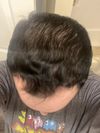
The conversation discusses using USB microscopes for scalp photos and provides a link to an overview of trichoscopy. Treatments mentioned include Minoxidil, finasteride, and RU58841.
After six months of using topical minoxidil once daily and oral finasteride every three days, the user saw improvement in hair thickness, particularly at the crown, and some new hair growth at the hairline. They also used a 1.5mm dermaroller weekly, which they believe contributed to their progress.
The conversation humorously discusses using a full head wig for hair, beard, and perfect skin, with mentions of treatments like finasteride, RU58841, and microneedling. It highlights a shift from serious hair loss discussions to satire and memes.
The user is using minoxidil, finasteride, Nizoral 2%, and microneedling for hair loss but finds Nizoral drying. They seek affordable shampoo and conditioner recommendations, with one reply suggesting baby shampoo for non-Nizoral days.
A 35-year-old is using finasteride, oral and topical minoxidil, dermarolling, Nizoral shampoo, and rosemary with biotin oil to address hair thinning. They are considering the effectiveness of their current regimen and contemplating adjustments, such as discontinuing topical minoxidil or trying dutasteride for better results.
The user reported significant hair regrowth after 8.5 months using Minoxidil, Finasteride, and initially Biotin, with a 50% reduction in the balding crown area. They are considering either a hair transplant for further improvement or embracing a bald look, feeling confident they could pull it off.
User is a Norwood 2-2.5, using 1.25 mg finasteride and 5% minoxidil lotion daily since June last year, experiencing significant regrowth. They are considering additional treatments like saw palmetto, microneedling, dutasteride, aminexil, stemoxydine, mesotherapy, ketoconazole shampoo, and alfatradiol to improve hair thickness.
A user shared a hair growth stack using minoxidil sulfate, valproic acid, bimatoprost, blue copper peptide, and other ingredients, emphasizing a gel-based formula for better skin tolerance. Another user suggested adding a 5-alpha-reductase inhibitor like finasteride or dutasteride for more effective long-term results.
Avoid burning or scarring the scalp for hair growth; instead, use treatments like finasteride, minoxidil, or consider a hair transplant. Microneedling should be done carefully, and extreme methods can cause harm.
The user shaved their head and noticed some hair regrowth and thickening due to Minoxidil and finasteride. They are content with their hair loss and have accepted it, while also observing that others don't notice the thinning as much as they do.
A user shared their experience with hair loss, initially using finasteride and minoxidil without satisfactory results, and later switching to hair systems, which they plan to use indefinitely. The user and others discussed the positive reactions, maintenance, and normalization of hair systems for men.
The user experienced an elevated heart rate from using topical Minoxidil and discontinued its use. They found that adding a daily protein shake helped with telogen effluvium.
The conversation is about hair loss and treatments, with suggestions to use finasteride or dutasteride as DHT blockers and minoxidil for regrowth. Oils and shampoos are considered ineffective for androgenic alopecia without these medications.
Aminexil, nanoxidil, stemoxydine, and kopexil are discussed as alternatives to minoxidil for hair growth, with concerns about dependence. Minoxidil is noted for its effectiveness in transitioning hair growth phases, but dependence is mainly linked to androgenic alopecia.
The conversation discusses hair regrowth efforts using minoxidil, microneedling, ketoconazole shampoo, and saw palmetto shampoo, with suggestions to add finasteride or dutasteride for better results. Some users notice slight improvement, but many recommend starting finasteride or considering a hair transplant for significant progress.
The conversation is about a hair loss serum mix containing 5% capixyl, 3% redensyl, and procapil. The user is asking for recommendations or opinions on the effectiveness of this product.
The conversation is about a user's 7-month hair regrowth progress using finasteride/minoxidil gel, minoxidil foam, ketoconazole shampoo, thickening shampoo and conditioner, biotin supplements, and plans to start using a dermaroller. Replies suggest a new haircut and commend the user's progress.
User asks if washing hair or using hair fibers after minoxidil dries is okay and if dry scalp means full absorption. Some doctors and sources say 50-75% absorption occurs after an hour.
A woman experienced significant hair loss due to medication, hair coloring, and heat damage, leading her to shave her head and feel distressed. She is considering using wigs and possibly oral minoxidil to manage the situation while her hair regrows.
A 25-year-old male experienced hair loss and tried various treatments, including finasteride, PRP, mesotherapy, dutasteride, and oral minoxidil. Despite some setbacks and treatment interruptions, recent photos show improved hair density, though the user remains uncertain about overall progress.
A user's hair loss progress after 4 months of using a topical fin and min mix, with responses from other users about their experience with the same treatments.
The user is concerned about potential hair thinning after getting a buzzcut and shares photos for comparison. A suggestion is made to consult a dermatologist for a proper diagnosis.
A 24-year-old shared his 12-month hair loss progress, using 1mg oral finasteride daily, Minoxidil spray twice daily, weekly derma stamping, daily Biotin, Saw Palmetto Shampoo, and occasional Ketoconazole shampoo. He experienced minimal side effects and significant hair density improvement, no longer needing a hat.
The conversation discusses hair thinning potentially caused by seborrheic dermatitis, with the user considering over-the-counter treatments like Head and Shoulders, Selsun Blue, and Nizoral, while maintaining keratin-treated hair. A suggestion is made to use raw organic honey as a hair mask to treat seborrheic dermatitis without affecting keratin treatments.
A woman experiencing hair loss, exacerbated by wearing a hijab, is seeking advice for her upcoming wedding. She has tried various treatments, including minoxidil, finasteride, and stem cell therapy, and is considering using hair fibers and extensions to cover her scalp.