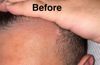
Increased hair fall after starting minoxidil, dutasteride, and biotin is normal. Hair may grow faster, and shaving your head is fine while on these medications.
A user is concerned about hairloss from creatine and asks for precautions, mentioning treatments like Minoxidil, finasteride, and ketoconazole shampoo. Replies vary, with some users sharing personal experiences and others dismissing the concern.
The conversation suggests that changing diet and lifestyle has little to no effect on male pattern baldness (MPB), which is largely determined by genetics. Some individuals noted personal improvements in hair condition with healthier diets, but the consensus is that diet alone cannot prevent or reverse MPB.
User experiences slow hair regrowth despite using finasteride, topical minoxidil, and supplements like biotin, zinc, and collagen. They seek advice on addressing overall slow hair regrowth.
The user experienced scalp inflammation and rapid hairloss after using minoxidil, despite initial success. Suggestions included switching to minoxidil foam, using oils, trying aspirin, and considering RU58841 for inflammation and hairloss management.
Hairloss is primarily genetic, and nutrient deficiencies are unlikely to be the cause. DHT inhibitors can slow hairloss, but concerns about side effects are common.
An 18-year-old is experiencing severe hairloss and dandruff, feeling stressed and unable to commit to Minoxidil or handle finasteride side effects. They have tried natural oils, anti-hair fall shampoo, and consulted a dermatologist without success, and are seeking affordable treatment options.
The user experienced severe scalp itching and hairloss while on dutasteride, which they linked to caffeine and masturbation. They plan to cut out both to see if their hair density improves.
User experienced hairloss on the top of the head for 2 years, noticed improvement after adding a smoothie with various fruits, vegetables, and seeds to their diet. They observed increased hair growth after 2 weeks of this dietary change.
The user has been using finasteride, minoxidil, ketoconazole shampoo, needling, and experimenting with retinol cream to treat hairloss. Despite these treatments, they observe many small vellus hairs that do not grow longer.
The user experienced significant hairloss after extended fasting, initially thought to be Telogen Effluvium, but later suspected male pattern baldness. They tried finasteride briefly but stopped due to concerns about side effects, and are unsure if the hairloss is due to Telogen Effluvium or another cause.
A 20-year-old male experienced severe hairloss and scalp issues after using liquid minoxidil, which caused intense itching. Despite trying different treatments like ketoconazole and selenium shampoos, and addressing low vitamin B12 levels, his hairloss and scalp problems persist.
A 19-year-old male has been using topical finasteride and minoxidil for 8 months with no progress and is considering seeking a second opinion due to potential misdiagnosis. The discussion revolves around whether the hairloss is due to male pattern baldness, alopecia areata, or a vitamin deficiency.
The user is using a comprehensive hairloss prevention regimen including Dutasteride, RU58841, topical treatments, red light therapy, microneedling, and supplements like Nutrafol, while avoiding Minoxidil. They also supplement with vitamin D and zinc and plan to start testosterone replacement therapy (TRT) in January.
The user started taking finasteride 1.5 years ago with some success in stopping hairloss but no regrowth, and is now experiencing increased hairloss after a recent operation, questioning if the medication stopped working or if the hairloss is temporary. They are considering switching to a different treatment and seeking advice.
User is depressed about hairloss despite using topical minoxidil for 5 months and topical finasteride for 2 months, with no improvement. Others suggest trying oral finasteride, seeing a specialist for dandruff and oily scalp, and being patient.
Whey protein may slightly increase hairloss in men with androgenetic alopecia (AGA) due to elevated IGF-1 and testosterone levels, but the effect is minimal compared to treatments like finasteride and dutasteride. Many users argue that whey protein's impact on hairloss is negligible and that maintaining a healthy lifestyle is more important.
The conversation is about a user starting a hairloss treatment with Dutasteride, Minoxidil, and RU58841, hoping to prevent baldness. Other users comment on the user's current hair condition and the intensity of the chosen treatment.
Corticosterone inhibits GAS6, affecting hair follicle stem-cell activity, with potential implications for stress-related hairloss. Ashwagandha and Vitamin K are suggested for reducing cortisol, but their effectiveness is debated.
Hairloss treatments like finasteride, minoxidil, dutasteride, and RU58841. Users suggest hair fibers for temporary coverage and consider hair transplants for permanent solutions.
The conversation discusses an extensive hairloss treatment regimen including dutasteride, GT20029, RU58841, pyrilutamide, minoxidil, microneedling, ketoconazole shampoo, and experimental compounds. The user humorously describes their approach as a comprehensive strategy to combat hairloss while maintaining hair growth.
Some individuals experience hairloss despite using treatments like 2.5 mg dutasteride, finasteride, and minoxidil, suggesting sensitivity to DHT or other factors. Various treatments and lifestyle changes are discussed, but results vary, and some consider hair transplants or other solutions.
The user is experiencing hairloss likely due to anemia and nutrient deficiency, and is considering using Minoxidil or non-drug treatments like coffee rinses while improving their diet and taking supplements. They are unsure if Minoxidil will be effective for this type of hairloss and are concerned about potential side effects.
A 25-year-old male experiencing hairloss and thinning since age 20 is seeking advice on effective DHT inhibitors. He lists various oral and topical treatments, excluding Minoxidil due to adverse effects.
A young man faces severe hairloss in his early 20s, using treatments like dutasteride and minoxidil with little success, impacting his self-esteem and relationships. He considers hair systems and therapy as potential solutions.
A user's journey to try and stop their hairloss, including the use of oral finasteride, topical minoxidil, ketoconazole shampoo, Cynatine Keratin supplements, and The Ordinary's Multi-Peptide Serum for Hair Density; and advice from other users regarding trying dutasteride, oral minoxidil, and lifestyle changes.
A 27-year-old male is experiencing hairloss and dandruff, despite trying various treatments like cortisone, diflucan, and natural remedies. He is considering shaving his head and is seeking advice on the "Big 3" treatment, which includes Minoxidil, finasteride, and RU58841.
The conversation discusses a hairloss treatment regimen involving dutasteride, pyrilutamide, oral minoxidil, and microneedling, with the aim of suppressing DHT and stimulating hair growth. Users debate the effectiveness and potential side effects of these treatments, noting that individual results may vary and that no treatment is foolproof.
A 32-year-old noticed thinning hair and started using minoxidil 5% daily without worsening. They seek advice on tracking hairloss progress with photos.
A man in his twenties experiencing hereditary hairloss has been using 5% Minoxidil, a derma roller, Vitamin D3, and recently started Finasteride. He has noticed baby hairs appearing, indicating some regrowth, and is advised to continue the treatment consistently for several months to potentially see significant results.