Search
for
Sort by
Community Join
330-360 / 1000+ resultscommunity ghk-cu is potent 5-ar inhibitor?
GHK-Cu is a potent inhibitor of the type 1 5-alpha reductase enzyme in hair follicles, which may reduce hair loss without the side effects associated with type 2 5-alpha reductase inhibitors. The user previously experienced side effects with 5-alpha reductase inhibitors and is considering GHK-Cu as an alternative.
community We are in September and heard nothing from the HMI-115 trial
The user is frustrated about not hearing any updates on the HMI-115 trial for hair loss. They are questioning if there will be any updates in the future.
community My 4100 grafts hair transplant surgery update
community to my gymbros on dute, any alternatives for creatine?
community Anagenic replied on availability of gt20029
The conversation is about the availability of gt20029 for hair loss treatment, indicating that it will not be available for purchase soon. No specific treatments were discussed.
community Loosing hairs 100 per day afte using Topical finastride + minoxidil solution from happy head. Any tips what could be causing it ?
User is experiencing hair loss and scalp dryness after using a topical solution containing minoxidil, tretinoin, finasteride, and hydrocortisone. They seek advice and personal experiences with this treatment.
community DrPen etc vs Stamp 2025 product update +can you still get Pen refills in the future?
The user is considering switching from a stamp to a pen for hair treatment due to poor results with the stamp. They are concerned about the availability of pen refills and are seeking better outcomes with the pen.
community 10 month update, was on fin now on dut + min
The user switched from finasteride to dutasteride while continuing minoxidil and microneedling, seeing gradual hair regrowth. They are considering adding oral minoxidil and possibly a LLLT helmet for further improvement.
community Are all of these hair treatment companies the same?
The user has been using topical finasteride and minoxidil since 2021 and is exploring other hair treatment companies like Xyon and Happy Head due to dissatisfaction with the current product's smell. They question the authenticity of consultations from these companies, suspecting they might be automated.
community Hair restoration : Minox + Fin
community *8 month update* 1st slide was at my worst back in 2020 vs today. 2nd slide is wet hair, 8 months ago vs today. 3rd slide is dry hair, 8 months ago vs today. 4th slide is hairline dry, 8 months ago vs today. I hopped on HIMS fin/min spray 8 months ago. Dermastamp about 1x every 2 weeks.
A user shared an 8-month update on hair regrowth using HIMS fin/min spray and dermastamping every two weeks, showing significant improvement. Others commented on their own progress and hopes for similar results.
community 1 year Dif stack throughout. Hims topical fin/min consistent
The user has been treating hair loss for a year using Hims topical finasteride/minoxidil, derma stamping, and RU58841, with plans to continue and hopes for more significant results. They have noticed some small hair growth at the temples and will provide updates on their progress.
community 10 years of dutasteride how is it?
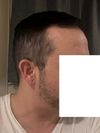
community Happy to see this result in 6th month, HT done in LHC
The user is pleased with their hair transplant results after six months and seeks feedback. The conversation is positive, with others affirming the success of the procedure.
community Got some bloodwork done, horrifying results.
The user is concerned about high DHT levels despite using finasteride and dutasteride for hair loss, suggesting these treatments may not be effective. They plan to consult an endocrinologist and consider other antiandrogens, acknowledging potential side effects.
community 4 months after HT and 3 months on every other day 1.25 mg fin + 2x daily topical min
The user had a hair transplant with 2000 grafts in the frontal and mid-scalp areas and has been using finasteride and minoxidil for 3 months. The crown area is expected to improve with continued treatment, and results are generally positive so far.
community High testosteron on dutasteride
community 3,000 grafts (scalp FUE + Body Hair) - DAY 4
A user shared progress pictures after their fifth hair transplant, which included 3,000 grafts from both scalp and body hair. They use topical finasteride and minoxidil, and the procedure cost $22,000 at Maxim in Austin, Texas.
community Best Electric Toothbrushes (2026) – Tested & Reviewed
The conversation discusses the benefits of electric toothbrushes for oral health, highlighting the Philips Sonicare Protective Clean 5300 and Oral-B Pro 1000 as top choices for effective plaque removal and gum care. Both toothbrushes are recommended for their reliability, with the Philips being budget-friendly and the Oral-B offering advanced features for sensitive teeth.
community 2 month progress on mix thx for thx comments on my last post🙏
The conversation is about a user's hair regrowth progress using topical minoxidil, with plans to start finasteride. The user also takes Vitamin D and washes their hair 2-3 times a week.
community Cheap Dermastamp: My Experience
A user shared their positive experience using a cheap dermastamp from Aliexpress for microneedling, finding it effective and mostly painless. Other users discussed their experiences with similar products, cleaning methods, and needle lengths, with some noting differences in product quality between sellers.
community GT20029. Kintor Pharma’s Product
The conversation discusses GT20029, a compound by Kintor Pharma that degrades androgen receptors and is in trials, with potential as a hair loss cure. Another promising treatment mentioned is an antibody that blocks prolactin and has shown positive results in macaques.
community Ultimate DHT/finasteride microdosing graph to replace the commonly one referenced on forums
Hair loss treatments, specifically, discussing the effectiveness and side effects of finasteride, minoxidil, and RU58841 in various microdoses. It also includes an updated graph which provides information on how different doses affect DHT levels, scalp skin and serum androgen levels, as well as hair count.
community Zix + Topical Fin : Blood Test Before/After, AMA and suggestions
A user's plan to use Zix and topical finasteride (5AR inhibitors) for hair loss, followed by blood testing before/after. The user has suggested creating a fund to cover part of the cost of their blood tests. Replies to their post discuss the effectiveness of the treatments.
community Minoxidil Max Ru58841 with PG absorption time
community Zix pre-made - zinc topical on scalp
The user is experimenting with a zinc sulfate and B6 topical solution called "Zix" for hair loss, alongside using a zinc oxide scalp mask and low-level laser therapy (LLLT). They report minimal hair loss after three months of use and are seeking feedback from others who have tried similar treatments.
community 2-month HMI-115 results from the Chinese trial
HMI-115 shows promising hair growth and thickening in just 2 months. Results are positive but need more time for confirmation.
community Just took a pic of my hair under direct sunlight for the first time in months. Instant regret.
The conversation is about disappointment with hair loss progress despite using treatments like finasteride, minoxidil, nizoral, tretinoin, and a dermaroller. Direct sunlight revealed more hair loss than expected, prompting continued treatment and hope for improvement.
community Stemoxydine used for shortening the ugly duckling phase after HT?
The conversation is about whether stemoxydine can shorten the dormant phase after a hair transplant, known as the ugly duckling phase. There is skepticism about whether it actually works as claimed.