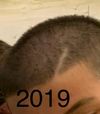
A user discussed a new hair loss treatment combining 5% Minoxidil with Bimatoprost 0.3mg/ml, applied once daily. They referenced a study suggesting Bimatoprost may be more effective than Minoxidil.
The conversation discusses hair loss treatments, specifically an $80/month product containing Minoxidil, Finasteride, Retinoic Acid, and Hydrocortisone with an aloe base. One reply suggests cheaper alternatives like generic oral Finasteride and liquid Minoxidil from Costco.
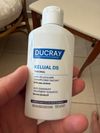
The conversation discusses hair loss treatments, specifically progesterone therapy with hydrocortisone butyrate, and the use of dutasteride and finasteride. Opinions vary on the effectiveness and side effects of these treatments, with some users advocating for acceptance of balding if treatments are not suitable.
A person with Alopecia Areata on their beard is using CB-03-01 and oral minoxidil for treatment. Some users question the effectiveness of CB-03-01 for beard hair, suggesting that minoxidil alone may be responsible for any observed hair growth.
Clascoterone 5% topical solution is effective and safe for long-term use in treating male pattern hair loss. Cosmo Pharma aims for EU and US approval, with a potential US release in late 2027 or early 2028.
The user is seeking Malassezia-safe treatments for hair loss and currently uses a baby shampoo, a scalp tonic with antifungal ingredients, and aloe gel. They consider using Kirkland Minoxidil 5% drops and possibly consulting a doctor about Finasteride.
The conversation discusses using latanoprost for hair loss treatment. Participants also mention Minoxidil, finasteride, and RU58841 as other treatments.
The user experienced side effects from a hair loss treatment and is considering using pyrilutamide, alfatradiol, and possibly minoxidil. They are unsure about starting minoxidil immediately or waiting to see the effects of the other treatments.
The conversation is about using a topical solution of latanoprost and minoxidil for hair loss, with concerns about side effects due to a history of gynecomastia. The user is considering this treatment instead of finasteride and is seeking experiences from others.
Cosmo Pharmaceuticals has enrolled about 850 out of 1400 patients for their phase 3 clinical trials of clascoterone (Breezula) and claims to be on schedule. The conversation is about hair loss treatments.
The conversation discusses topical androgen receptor blockers for hair loss, mentioning Clascoterone, Pyrilutamide, GT20029, and RU58841. Ketoconazole's effectiveness and application methods are also debated.
The conversation is about the approval of Clascoterone (Winlevi) in Canada for hair loss treatment. One user expressed skepticism about its effectiveness due to low concentration.
Latanoprost for hair loss is available in Canada at Ford's Family Pharmacy in New Brunswick, with up to 0.03% concentration, six times stronger than glaucoma medication Xalatan.
The conversation discusses starting topical finasteride for hair loss, with concerns about high dosages. It suggests starting with a lower concentration, like 0.1% or 0.3%, especially with liposomal versions.
The user noticed hair thinning and has been using a treatment with minoxidil 2%, hydrocortisone butyrate, and 17 alpha estradiol for three months, seeing some regrowth. The user had dermatitis, now cured, which worsened the hair loss.
Orient Bio is developing a PLGA formulated version of Cyclosporine A to stimulate hair growth without its immunosuppressant effects. Users discuss various treatments like Clascoterone, PP405, minoxidil, and tacrolimus, expressing hope for new developments and sharing personal experiences with these treatments.
The conversation is about using Latanoprost 0.01% solution for hair loss and seeking success stories. It mentions that Latanoprost works differently from Minoxidil, Finasteride, and RU58841.
A user shared a new hair loss treatment protocol including topical dutasteride, latanoprost, caffeine, minoxidil, tretinoin, and triamcinolone acetonide. Others discussed the effectiveness and availability of these treatments, with some suggesting simpler oral alternatives.
People are interested in trying clascosterone (Breezula) for hair loss, especially those who are too young for finasteride. Some users express concerns about the cost and prescription requirements, while others discuss alternatives like RU58841.
A user is seeking feedback on a homemade topical finasteride formula for hair loss, consisting of 7.5 mg of finasteride, propylene glycol, ethanol, and distilled water. They aim to achieve a 0.0125% solution by applying 2 ml daily.
The user applied 0.005% topical finasteride, minoxidil, tretinoin, caffeine, and ketoconazole shampoo for four months but saw no hair regrowth. Some users suggested increasing the finasteride dose or trying alternative treatments like clascoterone, pyrilutamide, or RU58841.
The user is experiencing white flakes and a greasy look from using a topical solution containing 0.025% finasteride, 8% minoxidil, 0.01% retinoic acid, and 1% hydrocortisone. Suggestions include reducing application frequency, using a brush to clean the scalp, and considering alcohol-free alternatives.
Clascoterone lotion, being tested in Germany, is as effective as Minoxidil and Finasteride for hair loss but without serious side effects. About 400 men participated in the trials.
Piroctone olamine is more effective than ketoconazole for increasing hair growth and reducing itching and dandruff. Treatments discussed include Minoxidil, finasteride, and RU58841.
The user wants to try using 0.025% topical finasteride every day by diluting their 0.1% topical finasteride with alfatradiol, and is asking if it's possible to mix them or if there are other options. They heard that alfatradiol might not be suitable for this purpose.
Clascoterone solution is in Phase III trials for male androgenetic alopecia, with results expected in the second half of 2025. Commercialization is anticipated in about 2-3 years, but there are concerns about delays and market expectations.
The user is using minoxidil, finasteride, dutasteride, and clobetasol, along with needling, to combat hair loss. They are considering stopping treatment if no improvement is seen.
Breezula's potential as a hair loss treatment is debated, with some seeing promise despite delays, while others suggest alternatives like Pyrilutamide. Breezula is compared to topical finasteride, with hopes for a better side effect profile.