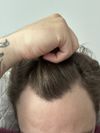
27F with androgenic alopecia since 17 seeks treatment. Tried spironolactone, caused low blood pressure; believes finasteride is safer and wants to try it.
A 21-year-old is concerned about androgenic alopecia and has been using minoxidil for a year, noticing some stabilization in the hairline but fears using it on the whole scalp due to seborrheic dermatitis. Another person suggests considering a psychiatrist for stress management, using Nizoral shampoo, and possibly trying a small dose of finasteride.
The conversation discusses whether to use finasteride for hair loss, considering its role in inhibiting DHT and 5AR, which can affect brain function and mood. Some users report anxiety and depression from finasteride, while others do not experience these side effects and emphasize the importance of DHT for brain and prostate health.
A 20-year-old woman with androgenetic alopecia feels depressed about her hair loss, despite using topical minoxidil, spironolactone, and saw palmetto. Suggestions include trying oral minoxidil, higher doses of finasteride or dutasteride, and checking for vitamin deficiencies and heavy metal exposure.
An 18-year-old is considering splitting 5mg Finasteride pills into 1.25mg doses to save money, but is concerned about potential hormonal fluctuations and side effects due to his age. Users advise caution, suggest consulting a doctor, and recommend considering lower or less frequent doses.
The user experienced anxiety and side effects from topical finasteride and is considering switching to saw palmetto. Another user reported no improvement with saw palmetto and experienced liver issues.
The user has not seen results from various hair loss treatments including finasteride, dutasteride, minoxidil, and others over several years and is considering adding RU58841 and starting hormone replacement therapy. They are also experiencing anxiety and contemplating moving to a more accepting environment for their nonbinary identity.
The conversation discusses a new hair growth treatment that showed a 14 hairs/cm2 increase in a trial, with mixed opinions on its effectiveness and potential cost. Some users are hopeful about combining it with existing treatments like oral minoxidil for better results.
27-year-old female experiences aggressive hair thinning and hirsutism despite normal testosterone levels. Spironolactone and 2% minoxidil were ineffective; high DHEA sulfate levels may be the cause.
The user shared their experience with CB-03-01 (Breezula/Clascoterone) for hair loss, noting reduced shedding and improved hair appearance but experiencing significant sleep disturbances and low energy due to HPA axis suppression. They decided to stop using it due to these side effects and are waiting for GT20029 as an alternative.
A European individual planning to go to China is seeking information on how to participate in HMI-115 trials for Androgenetic Alopecia. They've tried contacting Mrs. Yang and Mr. Wang for assistance but haven't received a response.
A potential new hair loss treatment, HMI-115, and the possibility of discontinuing finasteride in favor of it. The conversation also includes discussion about other benefits of using finasteride.
The post and conversation are about HMI-115, a potential treatment for hair loss. The conclusion is that HMI-115 is not a 5ar-inhibitor and is instead a prolactin receptor inhibitor. Some users are skeptical about its effectiveness and believe that baldness will still be a problem in the future.
The post discusses the impact of Ashwagandha on hair loss, highlighting its ability to lower stress levels, which is beneficial for hair health. However, there's uncertainty about its potential to increase testosterone and DHT, which could contribute to hair loss.
AH-001 is a new topical treatment designed to degrade androgen receptors, targeting the root cause of androgenetic alopecia without the side effects of oral treatments like finasteride. It has shown a strong safety profile and good local tolerability in early trials.
The user experienced severe side effects from finasteride, including anxiety and libido issues, and is currently using topical minoxidil and microneedling. They are considering trying dutasteride but are concerned about potential side effects.
A 25-year-old male experienced significant hair loss due to telogen effluvium and androgenetic alopecia. He began using finasteride, minoxidil, and vitamins, seeing some regrowth but remains worried about hair density.
Hair loss is distressing, with treatments like finasteride, minoxidil, and spironolactone commonly used despite potential side effects. Emphasis is placed on maintaining mental health and self-worth beyond hair appearance.
The potential of using a specific antibody, HMI-115, as a treatment for hair loss alongside traditional treatments such as minoxidil and finasteride. The user suggests trying either a 240 mg or 30 mg dose to see if it works.
The user is concerned about high DHT levels despite using finasteride and dutasteride for hair loss, suggesting these treatments may not be effective. They plan to consult an endocrinologist and consider other antiandrogens, acknowledging potential side effects.
Finasteride and dutasteride can cause psychiatric side effects like depression and suicidal thoughts in some users, especially those with a history of mental health issues. While some users experience positive hair growth results, others face severe psychological effects, raising concerns about their safety and the need for careful monitoring.
A user is experiencing anxiety and insecurity about hair loss despite using finasteride for 19 months and oral minoxidil for 6 months. They are seeking advice on whether stress, scalp testosterone, or switching treatments could help, and are considering a buzzcut.
The user experienced a panic attack after adding 5% topical minoxidil to their routine, which already included oral finasteride and minoxidil, and microneedling. They are seeking advice on whether microneedling increased absorption and if the anxiety attacks will subside.
The user has been taking 1mg finasteride daily for a year with no improvement in hair loss and reports low cortisol levels, sleep issues, and anxiety changes. The conversation includes discussions on the potential effects of finasteride on cortisol and neurosteroids, with suggestions to consult a doctor and consider other factors.
Different treatments for hair loss, such as Finasteride, Minoxidil, Nizoral, Pumpkin Seed Oil, Saw Palmetto and PRP; the risks of using certain treatments; taking a break from this subreddit to cope with anxiety about hairloss; and potential benefits of maintaining confidence despite hairloss.
The user experienced sexual side effects after starting finasteride and later switched to dutasteride, noticing hormonal changes. They are considering using P5P and possibly aromatase inhibitors to manage high prolactin and estradiol levels.
A 20-year-old male is unsure how to interpret his bloodwork results and whether he should take finasteride for hair loss. His bloodwork shows borderline high levels of albumin and testosterone, and high progesterone, but normal levels of other hormones.
Finasteride caused anxiety, depression, and hair shedding for the user, leading them to stop taking it. They are now on Lexapro and Adderall for depression and ADHD, and are considering trying topical Finasteride and Minoxidil.
Efforts to find a Canadian dermatologist in the US to prescribe H&W's topical finasteride for hair loss. The user is willing to fund a crowd-share effort to identify prospects.