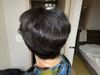
The user underwent a second hair transplant for the crown and mid-scalp, achieving good density. They are using minoxidil, finasteride, and biotin, and considering PRP treatments to enhance growth.
The conversation discusses a hair loss flowchart for beginners, with mixed opinions on its effectiveness. Treatments mentioned include minoxidil, finasteride, dutasteride, microneedling, and vitamins.
A user shared their positive experience with a hair transplant performed by Dr. Timothy Carman, using 1100 grafts via FUT surgery, and reported satisfaction with the results and minimal scarring. The user continues to use minoxidil and finasteride for hair maintenance.
A 43-year-old male with advanced hair loss is experimenting with alternative treatments, including red light therapy, microneedling, scalp massages, an oil mix, and ketoconazole shampoo, after previously experiencing side effects from finasteride and minoxidil. He noticed some minor changes with red light therapy but remains skeptical about significant improvement.
The user is experiencing hair loss despite using finasteride and Rogaine, with conflicting diagnoses from different hospitals. One suggests no hair loss, while another recommends continuing medication; a suggestion to see a dermatologist for proper assessment is given.
Dutasteride might be better for hairline due to varying levels of 5AR activity in scalps. Genetic tests can determine if finasteride is enough or if dutasteride is needed.
A 21-year-old is using finasteride and previously used minoxidil for hairline concerns, considering a hair transplant despite no visible balding. They are advised to continue finasteride as a preventive measure.
Clascoterone 5% solution is discussed as a potential new treatment for hair loss, offering an alternative for those who can't use finasteride or need additional options beyond minoxidil. Concerns about cost, effectiveness, and safety compared to existing treatments like RU58841 and finasteride are highlighted.
Finasteride is more accepted than hair systems because it is less visible and maintains natural hair. Treatments like minoxidil and finasteride are commonly used for hair loss, but opinions on hair systems vary.
A user shared their 5-month progress in treating hair loss using HIMs topical finasteride and minoxidil, micro-needling with a 1.5mm needle, and RU-58841. The post includes progress pictures showing improvement from a NW7 hair loss stage.
A user shared their positive experience with a non-surgical hair replacement system, detailing the purchase and maintenance process, including using Walker Lace Front Support Tape and various adhesives. They found the system secure and undetectable, allowing them to engage in active pursuits without issues.
28-year-old struggles with aggressive hair loss since 18, used minoxidil with limited success. Tried hair systems but found them expensive, shaved head for job interviews but plans to return to hair systems.
Hair systems are effective for hair loss, offering benefits over treatments like finasteride. Personal choice and confidence in appearance are emphasized.
User shows hair loss progress from NW4 to NW2.5 in 2.5 months using RU 8.5-9% daily and topical Dut .1% + RU 5% weekly. Discussion includes managing tension in African American hair and representation of different hair types.
A user applied the 8T3 product for hair loss, targeting LPP and AGA, and plans to update on its effectiveness. The product uses a saline buffered phosphate vehicle, suitable for those intolerant to ethanolic vehicles.
Hopeful treatments for hair loss, including Verteporfin, Androgen Receptor Degradation, and SCUBE3. These treatments offer potential solutions to slow or stop the effects of androgens on the scalp.
GT20029 showed significant hair growth and safety in phase II trials, with no adverse sexual events. Users are hopeful but concerned about future costs and systemic effects.
The conversation discusses the use of trichoscopy to predict hair loss patterns and inform treatment approaches. Treatments mentioned include minoxidil, finasteride, and dutasteride, with varying effectiveness based on gender-specific hair loss patterns.
A 22-year-old male with hair loss is considering treatments like finasteride, minoxidil, and derma rolling after being diagnosed with MPB, vitamin D deficiency, and dandruff. He seeks advice on whether these treatments can realistically improve his hair density and achieve a healthier NW2.
The conversation is a satirical poem about hair loss, mentioning treatments like Minoxidil, RU58841, hair transplants, and derma rolling. The user also shares their personal regimen, which includes Dutasteride, Finasteride, Minoxidil, Alfatradiol, Stemoxydine, Ketoconazole shampoo, Fluridil, and Cetirizine, along with monthly microneedling.
A 21-year-old male with advanced hair loss (NW7) started using finasteride and minoxidil 10 months ago but hasn't seen much progress. He is pre-diabetic with stage 1 hypertension and is seeking insights on whether treating these conditions could improve hair regrowth.
The post is a 1-year update on hair loss progress using topical minoxidil and finasteride treatments. The user has seen good progress, especially in transitioning from a Norwood 3 to a Norwood 2 hair loss pattern.
A 27-year-old using minoxidil and dutasteride for hair loss has seen significant improvement but is considering a hair transplant for a more defined hairline. Most responses suggest the hair looks good, advise against a transplant, and recommend patience or trying microneedling or tretinoin.
An 18-year-old with early hair loss is advised to consider minoxidil and finasteride, with a doctor's consultation recommended. Alternatives like a hair system or shaving are suggested due to potential medication side effects and lifelong commitment.
The user asks about the order and compatibility of using topical minoxidil, stemoxydine, The Ordinary natural moisturizing factors + HA for scalp, RU58841, and Nioxin system 2 leave-in treatment. They seek advice on layering these hair loss treatments.
The conversation discusses the importance of scalp biopsies for diagnosing hair loss conditions like DUPA and Retrograde, which may not be just AGA. It emphasizes that treatments like finasteride and dutasteride may not work if the condition is autoimmune.
The conversation is about the approval of Clascoterone (Winlevi) in Canada for hair loss treatment. One user expressed skepticism about its effectiveness due to low concentration.
GT20029 showed promising results for hair growth in a Phase II trial, with the 1.0% twice-weekly regimen being the most effective. Some users expressed skepticism and humor about the product's effects and market availability.