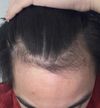
A 17-year-old is experiencing rapid hair loss from NW1.5 to NW3 in six months and feels dermatologists are unhelpful. They are using Minoxidil (Rogaine) and seeking advice on application.
A user started taking oral minoxidil (2.5 mg daily) along with topical minoxidil, dutasteride, microneedling, and various supplements to improve hair growth and overall health. They are also focusing on weight loss, exercise, and better lifestyle habits.
A 35-year-old shared a 2-month update on their hair transplant of 3153 grafts, noting redness, itching, and some pimples, while using finasteride for over 12 years to maintain hair. Users discussed the effectiveness and timing of starting finasteride, with some suggesting consulting a doctor for young individuals considering the treatment.
A 29-year-old reports positive hair recovery after 7 months using liposomal topical finasteride and minoxidil, low-level light therapy, and vitamins, following a 3600 graft DHI procedure. They experienced no side effects from the topical treatment, unlike with oral finasteride.
The user reports hair regrowth at the crown and thickening at the front after three months using 1mg finasteride, 0.5% minoxidil, biotin supplements, vitamin D, and argan oil shampoo and conditioner. They express a wish that hair growth could occur at the back of the head as well.
Breezula's phase 3 results are expected soon, but its release is likely delayed until 2027 or 2028. The discussion highlights the need for more hair growth stimulants like AMP-303 and PP-405, as current treatments like Dutasteride effectively stop hair loss but don't regrow hair.
A user has used finasteride for three years to maintain hair thickness and is considering adding minoxidil for temple recession. They report no side effects and are satisfied, while others discuss minoxidil's pros and cons and share hair treatment experiences.
Hopeful treatments for hair loss, including Verteporfin, Androgen Receptor Degradation, and SCUBE3. These treatments offer potential solutions to slow or stop the effects of androgens on the scalp.
A trial of verteporfin for hair regeneration, with pictures comparing the original and current status, as well as links to other resources discussing the efficacy of this treatment in combination with Minoxidil, Finasteride, and RU58841.
A 37-year-old shared 3 months of hair loss progress using HIMS oral finasteride, minoxidil, biotin, dermarolling, and ketoconazole shampoo. They noticed reduced shedding, no significant side effects, and advised against using Nutrafol.
With a head full of hair, like a phoenix!
This user has experienced positive results from using topical minoxidil and oral finasteride for 12 months, followed by 5 months of only topical use, as well as microneedling before application for 4 months. They are now considering a hair transplant in order to further enhance their results.
The user received 1600 hair grafts but is dissatisfied and plans a second transplant for better coverage. They use minoxidil and finasteride and are considering adding dutasteride.
A 23-year-old is concerned about hair loss and is considering starting minoxidil and finasteride to maintain their current hair. They are unsure whether to begin treatment now or wait to confirm if hair loss is occurring.
The conversation discusses hair loss treatments, including topical and oral minoxidil, finasteride, RU58841, and microneedling. Users suggest adding oral dutasteride or finasteride for more effective results.
A 23-year-old male had a hair transplant with 3500 grafts and is using finasteride, minoxidil, hair vitamins, and a keto shampoo. He seeks advice on crown regrowth and when to start dermastamping.
The conversation is about an 18-year-old's progress with hair regrowth using oral Minoxidil, dermarolling, and RU58841 over three months, starting treatment after beginning to lose hair at 16. Participants are impressed with the improvement and encourage continued treatment.
A user experiencing hair loss received three different diagnoses: androgenic alopecia, traction alopecia, and scarring alopecia, and tried treatments like minoxidil and finasteride without success. They are considering dutasteride but were advised to seek anti-inflammatory medication instead.
The conversation is about a user's one-year progress after a 3,200 graft FUE hair transplant and their use of oral finasteride and minoxidil. People are impressed with the results and are discussing the effectiveness and cost of the treatment.
A 31-year-old male shared his 4.5-month progress using finasteride, topical minoxidil, and dutasteride mesotherapy for hair loss, showing significant improvement in crown density and overall hair texture. He reported no side effects and plans to continue the treatment to assess further results.
PP405 shows initial promise for treating androgenetic alopecia, with safety confirmed in early trials, but skepticism remains due to limited data. Further trials are needed to determine its true efficacy and potential market impact.
A user shared 3-month hair regrowth results using a combination of oral Dutasteride, daily Minoxidil, RU58841, micro-needling, Keto shampoo, scalp massages, and supplements. Positive progress was noted, and encouragement to continue was given.
The user is treating hair loss with dermarolling, a laser helmet, scalp massages, and Nizoral. They stopped using minoxidil and finasteride and are considering pumpkin seed oil and sulforaphane.
A user shared their experience of getting 1400 hair grafts 5 months post-op with Dr. Vikram Jayaprakash, mentioning they have been using finasteride for 2.5 years. The responses include compliments on the results and questions about the cost and current treatments.
PP405, a potential hair loss treatment, is facing delays in releasing Phase 2 results, causing frustration among users who compare it to past failed treatments. Despite skepticism, some remain hopeful about PP405's future, while others discuss alternative treatments like Clascoterone and its expected market release.
The conversation discusses hair loss treatment progress 11 weeks after a crown transplant. The user is using minoxidil every two days and biotin daily, without finasteride.
A user shared progress pictures 1.5 months after a hair transplant of 3500 grafts, using oral finasteride, topical finasteride, minoxidil, and vitamins. They are concerned about potential shock loss and the thinning appearance.
A 30-year-old considering a hair transplant has been using treatments like oral Minoxidil, Dutasteride, topical Minoxidil, copper peptide serum, red light laser therapy, microneedling, and vitamin therapy for hair loss. They are advised that a hair transplant is still an option, but maintaining current treatments is crucial to support the transplant and prevent further hair loss.
8 months post hair transplant, OP experiences asymmetrical shedding despite using finasteride and starting minoxidil. The doctor suggests it might correct itself or be due to transplant trauma, recommending a wait-and-see approach.
A blood cancer survivor in remission since 2022 is experiencing thin and patchy hair after chemotherapy and is using Minoxidil without much success. They are seeking personal experiences and advice on hair transplants after cancer treatment.