The user experienced significant hair regrowth using finasteride and minoxidil. They plan to switch to dutasteride for its potency after confirming their body's tolerance to DHT blockers.
A user successfully improved their hairline after 15 months using topical minoxidil and dutasteride. Some commenters question the necessity of treatment given the user's original hair condition, while others support early intervention.
A 42-year-old uses dutasteride, topical minoxidil, microneedling, and dermastamping for hair regrowth, reporting no side effects and noticeable progress over two years. The user takes 0.5mg of dutasteride and varies microneedling frequency, seeing early signs of new growth.
Hair cloning may become available in 1-2 years in Japan, but widespread availability and affordability could take 7-15 years. Current treatments like finasteride are effective but may lose effectiveness over time.
Treatments for hair loss, such as using AR receptor blockers and degraders, to see if follicles can regenerate in the long term. The conversation also discusses how hair transplants could be a potential solution.
The user is using 5% Minoxidil, a 1 mm derma stamp, Vitamin D3, Zinc, and anti-dandruff shampoo for hair regrowth. They plan to consider DHT blockers like finasteride in the future.
A user shared their 14-day recovery progress after a 3450 graft FUE hair transplant in Turkey, noting faster healing possibly due to hydrolyzed collagen supplements. They asked if others had similar experiences with or without such supplements.
A 21-year-old male experienced significant hair regrowth using minoxidil 5% topical, oral finasteride 1mg, derma stamping, and ketoconazole shampoo over several months. He reported no side effects and remains optimistic about further progress.
Recruitment for a verteporfin trial and a separate hair cloning trial using verteporfin and other methods is underway, with locations in Jordan, NYC, Beverly Hills, and Memphis. Dr. Bloxham is conducting the hair cloning trial, and interested participants are encouraged to contact him directly.
Applying Epidermal Growth Factor (EGF) topically may improve skin and potentially promote scalp health and hair growth, especially after microneedling. The user shares their positive experience with EGF and provides a product link.
Using finasteride before a hair transplant can prevent further hair loss and make the transplant look more natural. Patients should continue using finasteride until hair cloning becomes available.
The conversation is about a user interested in participating in hair cloning clinical trials due to their fine hair and previous positive experience with clinical trials. They are seeking information on how to volunteer for such trials.
Hair cloning for hair loss is unlikely to be available or affordable in the next 10 years. Current treatments like Minoxidil, finasteride, and RU58841 are still the main options, with skepticism about new advancements.
MSM is discussed as a potential treatment for hair regrowth, with mixed opinions on its effectiveness. Some users report faster hair and nail growth, while others question its credibility due to lack of scientific evidence.
New hair loss treatments, including Breezula, VDPHL01, and PP405, are nearing Phase 3 trials, offering hope for effective solutions. Current treatments like finasteride and minoxidil remain effective, but early intervention is crucial.
The user shared their 5-year hair recovery journey using finasteride, RU58841, dutasteride, minoxidil, and microneedling, noting mixed progress but overall improvement. They regret not starting treatment earlier and recently received positive health feedback from their doctor.
Pelage executives' hairlines were discussed, with speculation about them using PP405 for hair regrowth. Concerns were raised about using untested drugs, with some suggesting executives might not risk using them without safety data.
PP405 shows initial promise for treating androgenetic alopecia, with safety confirmed in early trials, but skepticism remains due to limited data. Further trials are needed to determine its true efficacy and potential market impact.
A 27-year-old male is using a minoxidil and finasteride spray for hairline recession and is considering other treatments like oral minoxidil, exosomes, PRP, or a hair transplant. Suggestions include microneedling, possibly with tretinoin, while another user suggests the hairline is fine and mentions body dysmorphia.
Scientists discovered a potential baldness treatment from hairy moles, which can be injected like Botox. Users discussed the treatment's implications, including its safety and effectiveness.
Follica's preferred microneedling protocol for hair growth, which includes needle depth, frequency and movement parameters as well as the use of topical treatments such as minoxidil and finasteride.
Hair loss, DHT and bloodflow with Andrew Huberman; the discussion includes opinions about supplements, finasteride, minoxidil, turmeric, coffee and botox injections for hair loss.
The conversation discusses hair loss treatments, including finasteride, microneedling, minoxidil, and PTD-DBM. The user has not noticed significant regrowth and is considering cost-effective options like valproic acid.
A 49-year-old is sharing progress on hair regrowth using PRP sessions and a combination of treatments, including minoxidil, but not oral finasteride or dutasteride. Users suggest adding oral treatments like dutasteride or minoxidil for better results.
The conversation discusses why CB-03-01, a potential hair loss treatment, isn't widely discussed despite evidence of its effectiveness and safety. Some users mention other treatments like melatonin, procianidin b2, and RU58841, debating their effectiveness and safety.
PP405 (Everychem 3HP) may help with hair regrowth, with mixed user experiences. Users often combine it with minoxidil and finasteride, but there are concerns about its efficacy and side effects.
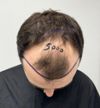
Focus on scalp health, not just DHT suppression, is crucial for hair regrowth. Effective treatments include Hair Restoration shampoo, LLLT laser cap, microneedling, and topical finasteride.
The conversation discusses the potential of a new hair loss treatment, GT20029, which may prevent hair loss by destroying androgen receptors on the scalp. Users express hope for the treatment's success and speculate on its usage routine, effectiveness, and possible side effects.
The user diagnosed with DUPA tried treatments like dutasteride, finasteride, RU58841, and minoxidil without success and is considering a hair system. They hope for a future cure, possibly with PP405, and others suggest options like scalp biopsy and SMP.