The post discusses the effectiveness of pyrilutamide for hair loss. The user maintains hair with alfatrodial, fluridil, minoxidil, and keto shampoo but is seeking a simpler and cheaper alternative.
A user's six month progress with Pyrilutamide, a hair loss treatment; they experienced positive results such as stopped itching and shedding, as well as regrowth, without any side effects.
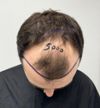
The user is concerned about potential hair thinning after getting a buzzcut and shares photos for comparison. A suggestion is made to consult a dermatologist for a proper diagnosis.
PP405's phase 2a trial results were presented, focusing on safety and pharmacokinetics, with a future meeting planned to share the full dataset. The trial includes a randomized controlled portion and an open-label extension, with no indication of phase 2B completion.
The conversation discusses various theories and suggestions for hair loss, with a focus on DHT as the primary cause. Treatments mentioned include Minoxidil, finasteride, and RU58841.
Follicium XR™ is a topical treatment for hair loss containing RU58841, AHK-Cu, GHK-Cu Peptide, caffeine, D-Biotin, methylene blue, keratin, and spermidine. RU58841 is considered the most effective ingredient, but concerns exist about its stability in water.
A user is considering a $5,295 one-year hair loss program from HairClub/Bosley, which includes treatments like finasteride, minoxidil, and a DNA test to personalize treatment. Opinions are mixed, with some suggesting cheaper alternatives like standard medications and questioning the value of the program.
PP405 is discussed as a potential treatment for hair loss, with excitement about its promise but skepticism about its current effectiveness. Users mention combining it with treatments like minoxidil, finasteride, and microneedling, but emphasize it is not a cure.
Dermatologists use treatments like oral minoxidil, finasteride, and RU58841 for male-pattern baldness, considering side effects and patient preferences. Photobiomodulation is noted as mildly effective but costly, while PRP is debated for its effectiveness compared to microneedling.
PP405 shows potential for hair growth, with 31% of advanced balding men experiencing over 20% increase in hair density in 8 weeks. However, skepticism persists due to selective data presentation and lack of long-term results, with comparisons to treatments like minoxidil and finasteride.
The conversation discusses the molecular structures of compounds that reduce DHT levels, including finasteride and Ashwagandha. It explores the potential of using Ashwagandha topically as a 5a reductase inhibitor.
RepliCel has purchased Trichoscience, and they have a video about hair multiplication. The conversation also mentions treatments like Minoxidil, finasteride, and RU58841.
A 20-year-old user experienced worsening hair loss despite using various treatments including topical and oral minoxidil, finasteride, and dutasteride. Other users suggested additional treatments like JAK inhibitors, RU58841, and lifestyle changes, but the user remains skeptical and frustrated.
User hoodoomoovoo discusses their interest in stem cell research and its potential for hair loss treatment. They share links to studies and mention ongoing trials, expressing optimism for a future solution to hair loss.
User shares 8-month hair transplant update with 3800 grafts, using Minoxidil and Xpecia. Others express amazement at results and discuss costs and procedures.
A user is considering a hair transplant combined with dutasteride and oral minoxidil to improve results despite having a large bald area. They seek advice on whether this combination is worth trying.
A user who has been using Pyrilutamide for 19 days, experiencing some hair thickening in the right temple and crown area but also having ball ache after microneedling; other users offer advice, caution and skepticism as to whether results can be seen in such a short time.
A hair transplant without using finasteride or similar medications may lead to unnatural results and further hair loss. Financially capable individuals are advised to stabilize hair loss with medication before considering a transplant.
A user (seblt) who has had side effects from finasteride, minoxidil and RU58841 but is now trying pyrilutamide as a last resort, with other users providing advice and support. They have already seen some baby hairs growing after 10-14 days of treatment and will provide updates in 1-2 weeks.
The conversation discusses the potential of a new hair loss treatment, GT20029, which may prevent hair loss by destroying androgen receptors on the scalp. Users express hope for the treatment's success and speculate on its usage routine, effectiveness, and possible side effects.
The conversation discusses using minoxidil and dutasteride for hair growth, with OP considering amino acids or growth hormone for better results. Another user inquires about the effectiveness of dutasteride.
The user has severe diffuse thinning on the scalp and is using finasteride, topical minoxidil, dermarolling, tretinoin, and Nizoral without satisfactory results. They are considering a hair transplant but are concerned about the cost and the number of grafts needed.
OP experienced significant hair regrowth after recovering from iron deficiency anemia and starting minoxidil. They suspect anemia contributed more to their hair loss than androgenetic alopecia (AGA).
A user shared their positive experience with finasteride and a 1000 FUE hair transplant for the frontal region, noting significant improvement in the crown area with medication alone. They emphasized patience with finasteride, as results vary from person to person.
Poor diet and lifestyle contribute to male pattern baldness. Treatments like Minoxidil, dietary changes, and lifestyle adjustments may help slow hair loss.
The conversation discusses using homemade topical finasteride for hair loss, showing an increase in DHT levels despite treatment. The user applies 0.125mg daily, resulting in 113.4% of previous DHT levels.
The user is considering buzzing their long hair to better assess the effects of finasteride, which they have been using for over two months, and is concerned about maintaining their unique appearance. They are also curious if dyeing short hair could cause any issues.
Excessive sugar and high-fat diets are linked to male pattern hair loss, with sweet beverages being a significant factor. Moderation in diet is advised, as diet alone may not fully prevent hair loss due to other factors like DHT sensitivity.
Evidence-based treatments for androgenic alopecia, such as minoxidil, finasteride, low-level laser light therapy, dutasteride, platelet-rich plasma, and topical ketoconazole. It discusses the efficacy, safety, and mechanism of action of these treatments, as well as future developments in understanding this polygenic condition.