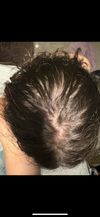
Oral minoxidil and dutasteride are used for hair loss with mixed results. Some users report new growth, while others suggest scalp inflammation may be an issue.
Breezula's phase 3 results are expected soon, with discussions on the effectiveness of androgen receptor antagonists like spironolactone and the potential of GT20029. Users express skepticism about new treatments and discuss the complexities of male pattern baldness, often relying on finasteride despite its side effects.
The user shared their 7.5-month post-hair transplant results, mentioning they have been using finasteride and oral minoxidil. The conversation includes mixed reactions, with some users complimenting the results and others critiquing the hairstyle and presentation.
The conversation discusses the pros and cons of dutasteride for male pattern baldness, with a focus on its long half-life. The user, a physician, also mentions that switching from finasteride to dutasteride can cause temporary hair loss until dutasteride reaches effective levels or accelerates the hair cycle.
The user is considering using topical finasteride for thinning hair around the middle part, vertex, and crown, and is unsure if the whole scalp is thinning. Another user suggests oral finasteride is more effective than topical, and recommends consulting a dermatologist for proper treatment.
User experienced significant hair loss after adding dutasteride to their finasteride and minoxidil regimen. They plan to revert to finasteride only due to lack of improvement.
Dutasteride can lead to increased cholesterol and liver fat. The user is reconsidering its use due to high cholesterol and lipid levels despite a healthy lifestyle.
The user is experiencing hair regrowth after 4.5 months of using oral minoxidil, oral dutasteride, latanoprost, ketoconazole shampoo, and dermarolling. They report shedding initially but have seen improvement without significant side effects.
A user experienced negative side effects, including low libido and lack of motivation, after using finasteride for hair loss and felt better after stopping it. Others shared similar experiences with finasteride and dutasteride, while some reported no side effects, showing varied individual responses.
The user has been taking finasteride for nearly 5 years and is now adding dutasteride to their regimen to maintain hair loss prevention. They seek advice on transitioning from finasteride to dutasteride.
The user is using a topical dutasteride/minoxidil/tretinoin gel for hair thinning and has had a positive experience with no side effects. They also mention considering another product, Formula82D, after having decent results with Formula82F.
A user shared their positive experience with a crown MicroFUE hair transplant at Boston Hair Restoration, highlighting the smooth procedure, minimal pain, and significant growth over 12 months. They used oral minoxidil, finasteride (transitioning to dutasteride), PRP sessions, and a LaserCap, achieving excellent results and full confidence.
A 23-year-old male has been using oral finasteride and topical minoxidil for 14 months, along with derma stamping and vitamins, but is considering switching to dutasteride due to dissatisfaction with progress. Users suggest cutting hair shorter to better track progress, and some recommend adding dutasteride and possibly a hair transplant in the future.
The conversation discusses the use of topical finasteride for hair loss, with the user considering whether oral finasteride might be more effective in reducing DHT levels. Other users suggest alternatives like dutasteride, RU58841, saw palmetto, and a combination of Redensyl, Procapil, and Capixyl, while debating the effectiveness and side effects of these treatments.
Dutasteride is often more effective than finasteride for blocking DHT, but results vary and some may experience side effects. Combining minoxidil with either medication can improve hair regrowth, but switching doesn't guarantee better results for everyone.
A user experienced chest discomfort after taking finasteride for hair loss and is concerned about whether it is a side effect or an allergy. They are advised to consult a doctor and consider other hair loss treatments if necessary.
After six months on Dutasteride, the user's hair is worse than before, despite previously trying finasteride and RU/Fluridil without success. Some suggest continuing Dutasteride and adding progress photos, while others share their positive experiences or advise sticking to one treatment for at least a year.
The user experienced hair regrowth using oral Dutasteride and Minoxidil over 6-7 months, despite some ongoing hair shedding. They reported no significant side effects, although some users discussed potential brain fog and cognitive issues possibly linked to Dutasteride.
Akinfenrawr experienced negative side effects from oral finasteride and RU58841, and is seeking alternative hair loss treatments. They discuss various options, including raloxifene, oral dutasteride, liposomal finasteride, Breezula, Pyrilutamide, SM04554, and sulforaphane, but have concerns about efficacy, availability, and cost.
A user started taking Dutasteride and experienced significant shedding initially, but it has since stopped after three months. They noticed some changes but are unsure if they are solely due to Dutasteride.
The user experienced high liver enzyme levels, possibly due to topical finasteride or supplements, and decided to stop using finasteride while continuing minoxidil. After stopping finasteride and supplements, liver levels returned to normal, suggesting finasteride or supplements might have been the cause.
The user is experiencing a significant hair shed at 10 months but sees improvement compared to 4 months ago. They are using Hims products, Feel Confident shampoo, Nizoral, a light therapy cap, and The Ordinary hair serum.
A 29-year-old male experienced significant hair regrowth after 9 months using oral dutasteride and topical minoxidil twice daily. The results show almost full crown regrowth and some hairline improvement.
The conversation discusses the completion of a Phase II trial recruitment for Breezula (CB-03-01), a potential treatment for androgenic alopecia. Specific treatments mentioned include Minoxidil, Finasteride, and RU58841.
Dutasteride reduces DHT more effectively in hair follicles than finasteride, but some individuals still experience hair loss despite treatment. Combining oral and topical finasteride may improve results, and some users experiment with topical dutasteride despite uncertainties about its absorption.
Verteporfin is being discussed for its potential to regrow hair and heal scars, possibly aiding hair transplants or replacing them. Some users are skeptical about its effectiveness, while others suggest combining it with microneedling for better results.
The user is considering switching from a topical hair loss treatment to oral medication. They currently use a topical solution with Minoxidil, Dutasteride, Finasteride, Tretinoin, and Ketoconazole and are seeking advice on transitioning to oral Dutasteride and Minoxidil.
People discuss the high cost of brand name finasteride and dutasteride, suggesting generics as cheaper alternatives. They share prices from various regions, highlighting significant cost differences.
Finasteride has been effective for maintaining hair density, but due to a slight dip in temple hair, the user switched to dutasteride as an additional measure. Users discuss varying experiences with side effects from finasteride, dutasteride, and minoxidil, highlighting that reactions can differ significantly among individuals.