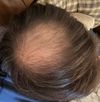
OP is seeking recommendations for thickening tonics and decides to try Aveda thickening tonic after a suggestion. Another user recommends hair powder as an alternative.
Topical melatonin may help reduce hair loss and increase hair thickness in people with androgenetic alopecia (AGA), with some studies showing positive results. It can be mixed with minoxidil for application, and its effectiveness might be enhanced when used with micro-needling, but results may vary among individuals.
Clascoterone 5% solution showed a 539% improvement in hair count compared to placebo, but the actual increase in hair growth is minimal. Users express skepticism about the effectiveness of hair loss treatments.
A user shared their experience using capsaicin from chili peppers and occasional topical minoxidil to promote hair growth, noting noticeable improvements without significant side effects. They previously experienced side effects from dutasteride and minoxidil but found the new regimen effective and manageable.
The conversation discusses using herbal oils, scalp massage, and dietary changes for hair loss prevention, with some success in regrowing baby hairs. Treatments mentioned include peppermint oil, cinnamon oil, castor oil, and RU58841.
The user is considering microneedling versus a hair transplant (HT) for crown hair loss while currently using dutasteride and oral minoxidil. They are hesitant about microneedling due to potential scarring but are open to trying it before deciding on a hair transplant.
Ashwagandha is used to reduce stress and improve sleep, while finasteride is taken for hair loss. Users report positive effects from ashwagandha and mixed results from finasteride, with some experiencing a slight dip in libido.
Resveratrol and fisetin, found in red wine and strawberries, may promote hair growth by affecting hair follicle cells. Users discuss various treatments, including natural remedies like saw palmetto and topical applications, with mixed opinions on their effectiveness compared to pharmaceuticals like finasteride.
The post discusses a phase 2 trial for HMI-115, a hair loss treatment, in China, specifically seeking volunteers aged 18-65 with Norwood 3 vertex, 4, and 5 hair loss. The conversation includes questions about the specific recruitment criteria and how to volunteer.
The post discusses a hair loss treatment regimen using saw palmetto, pumpkin seed oil extract, EGCG (green tea) extract, grape seed oil extract, rosemary oil extract, and Zix. The user plans to use these DHT-blockers and 5AR inhibitors for six months and report the results.
A user's 12 month update on treatment for hair loss, which include oral dutasteride and minoxidil, topical RU88541 and minoxidil, microneedling with hyaluronic acid and FinDuta, experiencing no side effects, positive results and inspiring other users.
The user switched from topical to oral minoxidil (5mg daily) a year ago, saw no improvement, and experienced chest pain and trouble sleeping after stopping. They are considering whether to resume and taper the dosage due to stress and anxiety.
GHK-RU58841 is used for hair loss, with positive results when combined with finasteride, stemoxydine, redensyl, and alfatradiol. Users report effectiveness after adding finasteride.
DHT causes hair loss by driving cells into senescence, and a polyphenol in black chokeberry may reverse this. A product using this theory is being considered for use alongside finasteride, minoxidil, and microneedling.
A 25-year-old is using vinpocetine to enhance the absorption of topical Minoxidil for hair loss. They also use a hair tonic and supplement with Glycine, Taurine, Creatine, and Citrulline.
The conversation discusses the effectiveness of the AutumnValley Anti-hair Loss Complex Pack for hair growth and hair loss prevention. The original poster is considering adding it to their regimen, which already includes Minoxidil, finasteride, and RU58841.
Hope Medicine received a $28M investment for HMI-115, a monoclonal antibody in phase II trials for treating androgenetic alopecia. Some users are skeptical about its effectiveness, while others find the investment and trial results encouraging.
The conversation discusses using NAC (N-Acetyl Cysteine) alongside minoxidil and finasteride for hair loss, with some users noting potential hairline improvement and increased energy. The original poster reduced their finasteride dosage due to mental decline and anxiety, and while NAC's effects on hair are anecdotal, it is considered low-risk with other health benefits.
The conversation is about experiences with GHK-Cu Copper and AHK-Cu Copper for hair regrowth and thickening. One user expressed skepticism about its effectiveness.
The user is seeking advice on a hair loss treatment called Ell Cranell, which contains Alfatradiol. Another user shared information from a study stating that Alfatradiol only slows down or stabilizes hair loss, but does not increase hair density or thickness.
A 34-year-old man is using natural methods like rosemary and peppermint oil, micro-needling, and low-level laser therapy to manage hair thinning, avoiding medications like minoxidil and finasteride. Despite minimal visible progress, he values the non-medicated approach and remains consistent with his routine.
The user is dealing with early hair loss and is using a serum with Redensyl, multivitamins, and plans to add minoxidil. They seek advice on maintaining a positive mindset and improving hair health through lifestyle changes.
VDPHL-01 is essentially a slow-release oral minoxidil, which is already known to work for hair growth. The formulation includes other ingredients like Medrogestone, Valproic acid, Setipiprant, and Cetirizine, but their effectiveness and necessity are questioned.
The user experienced side effects from daily 1 mg Finasteride and switched to 0.5 mg every other day, supplemented with creatine, tongkat ali, tribulus terrestris, vitamin D3, bromantane, l-tyrosine, and caffeine. They also use weekly 1.5 mm microneedling and daily 50 mg RU58841, except on microneedling days, to manage hair loss.
The conversation discusses using GHK Cu + AHK Cu peptides combined with topical dutasteride and minoxidil for hair regrowth. It mentions negative side effects of finasteride and promotes a specific copper peptide serum.
A user shared their aggressive hair loss treatment regimen, which includes daily use of Avodart (dutasteride) and Minoxidil, bi-weekly use of Davines Purifying shampoo, and almost daily use of Ducray Anaphase+ shampoo, along with supplements like vitamin D3, collagen, biotin, and zinc. They also use a dermastamp every 10 days and are considering a hair transplant for increased density, followed by a switch to finasteride and Minoxidil foam.
The conversation discusses the potential benefits of adding Vitamin B6 (P-5-P) to topical hair loss treatments like RU58841, finasteride, or minoxidil. The user suggests that Vitamin B6 might enhance these treatments by naturally lowering scalp prolactin.
Hair loss discussion includes treatments like Minoxidil, finasteride, and RU58841. Conversation focuses on foods with sufficient procyanidin b2, such as dark chocolate and apples, and the required dosage.