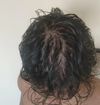
The user experienced severe side effects from finasteride, including panic attacks and suicidal thoughts, and is seeking alternative hair loss treatments. They have been using oral finasteride and topical minoxidil.
Staying positive and managing stress may slow hair loss, but treatments like finasteride, minoxidil, and dutasteride are essential for managing male pattern baldness. Stress can accelerate hair loss, but genetics play a significant role, and early treatment is crucial.
A 27-year-old male is experiencing a recurring pattern of hair loss after 5 months of using oral minoxidil and finasteride, despite initial success. He is considering using topical androgen receptor blockers like RU58841, pyrilutamide, or clascoterone to address potential androgen receptor hypersensitivity.
An 18-year-old male using minoxidil and finasteride is experiencing increased hair loss, possibly due to a shedding phase from finasteride. He also takes zinc, magnesium, calcium, and vitamin C, and is concerned about hair loss from his temples.
A user is concerned about hair thinning and is using minoxidil, considering finasteride, and planning blood tests to rule out deficiencies. They are advised to consult a dermatologist to confirm if androgenic alopecia is the cause before starting finasteride.
A 21-year-old is using finasteride and previously used minoxidil for hairline concerns, considering a hair transplant despite no visible balding. They are advised to continue finasteride as a preventive measure.
Excess sebum rich in cholesterol and triglycerides can lead to hair loss through inflammation, with treatments like Ciclopirox shampoo, Benzoyl Peroxide shampoo, and Clindamycin gel recommended for managing conditions like seborrheic dermatitis and folliculitis. Pioglitazone is suggested for Lichen Planopilaris, while Omega-3s and reducing processed foods may improve sebum quality, though genetic factors play a significant role.
The conversation discusses hair loss treatments, including scalp massage, and the importance of blocking DHT for hair loss management. The user shares blood test results, which appear normal, and seeks advice on effective tests and treatments, expressing a preference for natural methods over medication.
The user is experiencing hair loss and is concerned about a small bald patch despite having thick hair and a full crown. They are considering starting minoxidil and finasteride to prevent further hair loss.
Minoxidil can cause heart palpitations, and users experiencing this should consider reducing the dosage or switching to alternatives like rosemary oil. It's advised to consult a doctor if side effects occur.
Oral minoxidil can cause serious heart issues like cardiac hypertrophy and arrhythmias, prompting some users to reduce dosage or switch to topical treatments. Despite significant hair regrowth, side effects such as shortness of breath and chest pains are common concerns.
A 24-year-old experiencing severe hair thinning has been using minoxidil for 2 years but is still shedding hair. A doctor recommended plasma treatment over a DHT blocker for better and healthier results.
The conversation is about obtaining affordable hair loss treatments, specifically dutasteride and minoxidil, through Costco and other pharmacies without needing a membership. The user shares their experience of getting prescriptions from Dr. B’s and Ro, highlighting the cost-effectiveness of their regimen.
The user switched from Hims topical finasteride and minoxidil to Musely Hair Pill Bloom+, which includes minoxidil, dutasteride, and other vitamins, and noticed new hair growth but also experienced lower blood pressure. Another user ordered a minoxidil-only pill.
The conversation discusses the potential benefits of creating a hydrophobic version of finasteride to reduce systemic side effects while maintaining scalp health. It compares this idea to fluridil, which is designed to be hydrophobic and has less systemic absorption.
The user shared a 1-month progress picture showing improvement in hair thickness and new growth after using Hims oral finasteride (1.1 mg) and minoxidil (3 mg), with no side effects, and also mentioned using ketoconazole shampoo and a rosemary hair mask. They plan to post updates at 6 and 12 months.
A 22-year-old has been using finasteride and minoxidil for 5 years to combat aggressive male pattern baldness, but is considering switching to dutasteride due to worsening hair loss. Dutasteride is suggested as it may be more effective in reducing DHT levels for aggressive cases.
A 24-year-old shared three months of progress using dutasteride, minoxidil, and biotin for hair loss. The post includes progress pictures and discusses the effectiveness of these treatments.
The conversation is about a homemade hair loss treatment serum containing Procyanidin B2, Aloe Vera Gel, Coconut Oil, Castor Oil, and Rosemary Essential Oil. The main concern is finding an affordable source of Procyanidin B2 and ensuring its stability in the serum at room temperature.
User reports worsening hair loss despite using Avodart 0.5mg daily and 2ml of Minoxidil daily for over three years. They maintain a healthy lifestyle and are athletic.
A 22-year-old male started taking finasteride a month ago and is seeing some progress in hair loss treatment. He is concerned about high estradiol levels but plans to continue the medication and consult an endocrinologist.
PTD-DBM is being explored for hair regrowth by targeting CXXC5, with clinical trials expected after pre-clinical studies. Users express anticipation and skepticism about its effectiveness.
The user stopped using minoxidil 5 weeks ago due to facial swelling, which initially subsided but then returned. Despite a healthy lifestyle and normal test results, the user is concerned about the persistent bloating.
Finasteride, Minoxidil, Bioneer CosmeRNA, Technoderma, Kintor, Hope, Breezula, and Follicum treatments showed increases in hair count, with Technoderma showing the highest increase at 24.3 hairs/cm². Amplifica has not yet published results.
A user experienced severe scalp itching with MPB and found Nizoral ineffective. A doctor diagnosed seborrheic eczema and prescribed Betacap, which relieved the itching.
The conversation discusses regret over delaying hair loss treatment, specifically with finasteride, and the emotional impact of hair loss. The user eventually stabilized their hair using oral finasteride after trying other treatments like topical finasteride, Fluridil, and Alfatradiol, and is considering future options like a hair transplant.
The conversation is about whether to continue using minoxidil before a hair transplant or stop it and let hair loss progress. Most suggest staying on minoxidil for better results, despite potential long-term use concerns.