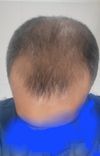
The user shared impressive hair regrowth results after 11 months using topical finasteride and minoxidil from HIMS. Many users congratulated the progress and inquired about the application method, brand, and potential side effects.
Bryan Johnson used a customized hair restoration formula from Roots byGA, which includes Minoxidil, Cetirizine HCl, Latanoprost, Dutasteride, Melatonin, Caffeine, Tretinoin, Vitamin D3, and Vitamin E. Many users are skeptical of the effectiveness and uniqueness of the treatment, suggesting that standard treatments like Minoxidil and Dutasteride are more reliable.
The user experienced hair regrowth using Koshine KX-826 after two months, noticing new baby hairs and reduced shedding, while continuing to use Hims spray. They reported no side effects from Koshine and plan to keep monitoring progress.
The user experienced hair repigmentation and attributes improvements in hair and overall health to a carnivore diet, Boron, and Selenium supplementation. They stopped using finasteride after 20 years, noticed increased testosterone and libido, and observed hair regrowth with RU58841.
Personal experience with Procyanidin B2 shows it's ineffective for hair loss. Viviscal Pro supplement tablets, containing Procyanidin B2, didn't help after 8 months of use.
The conversation discusses creating a topical catalase solution with phosphate buffered saline, glycerin, and polysorbate 20 for hair loss treatment. The user seeks advice on preparing this solution.
GT20026 is discussed as a potential treatment for hair loss that targets androgen receptors without affecting hormone levels, but it may not promote significant regrowth. It is expected to be available by 2028, with other treatments like Breezula and Clascoterone also mentioned.
Serum DHT is mostly inactive; sebum DHT is a better measure for hair loss. Users discuss using finasteride, dutasteride, and topical treatments like KX826 and RU58841 for better scalp DHT suppression.
Finasteride and Dutasteride block DHT, which is needed for vellus hair to become terminal on the beard but not on the scalp. The user considered using DHT cream but learned it's unnecessary for scalp hair.
A user shared progress pictures after 5 months using Hims 2-in-1 finasteride and minoxidil with a 1.5mm derma roller. Other users commented positively and shared their own experiences with the treatment.
A user has been taking finasteride for 5 months with no improvement in diffuse hair loss and suspects high levels of prolactin, cortisol, progesterone, and DHEAS, as well as iron, might be contributing to the issue. They are also taking vitamin D to address a deficiency.
Triple Hair's TH-16, a product claimed to be more effective than Minoxidil 5%, has been released; it contains melatonin and resveratrol. One user reported success with topical melatonin and dermarolling.
The conversation is about a hair care routine focused on microneedling and using DHI Hair Serum for temple hairline regrowth, without using minoxidil or finasteride. The user seeks advice on the best derma pen in India and feedback on their routine.
The user treated seborrheic dermatitis by cutting sugar, improving sleep, using four different shampoos, and occasionally using steroids. Their hair is growing back thicker and new hair is appearing.
The conversation discusses how different factors can stimulate type 1 and type 2 isoforms of 5-alpha reductase, which are enzymes linked to hair loss. Specific treatments mentioned include oral Dutasteride and topical Finasteride.
The conversation is about a user's progress with an oral treatment for hair loss using a stack of finasteride, minoxidil, and biotin over two months, noting stabilization after an initial shed. The user mentions using Hims Chews, which are effective but costly, and another user comments that biotin is ineffective.
Hair loss treatments discussed include Minoxidil, Finasteride, RU58841, and Dutasteride injections. Users believe these treatments are effective and help maintain good hair.
The user shared progress pictures showing 7-8 months of hair regrowth using Minoxidil, finasteride, Nizoral, dermarolling, and biotin. The hairline remains the same, but overall hair looks better.
PP405 and hair cloning are discussed as potential treatments for reversing hair loss from Norwood 7 to Norwood 1. Hair cloning is seen as a more permanent solution, while PP405's effectiveness and long-term effects remain uncertain.
The conversation discusses using CB0301/Clascoterone as a potential treatment for hair loss, especially for those experiencing side effects from finasteride and dutasteride. The user currently uses oral minoxidil and considers combining it with other treatments like kx826, DHT blocker supplements, and 2% Nizoral shampoo.
A 30-year-old woman with a history of anemia and low vitamin D experienced hair shedding, which improved after addressing nutrient deficiencies. Despite regrowth of terminal hairs, her dermatologist recommended treatments like minoxidil and spironolactone to prevent future bald spots, but she is cautious due to family history of hormone-related cancers.
The conversation discusses hair regrowth using Scandinavian Biolabs products, biotin pills, a dermaroller, rosemary oil, and a silicone head cleaner. The user observes weak hair regrowth and seeks opinions on the results.
Hair follicle regenerative therapy is being developed, with clinical trials planned in Japan, potentially allowing for hair cloning and eliminating the need for treatments like finasteride. If successful, the treatment could be available in Japan by 2025, but widespread access and affordability may take longer.
The "DHT itch" is real and likely due to inflammation at the hair follicle, exacerbated by increased testosterone or androgens. Treatments mentioned include dutasteride, minoxidil, finasteride, and various topical solutions.
The user discusses the potential impact of external DHT in sebum on hair loss and plans to wash their hair daily with salicylic acid exfoliation. They believe this might help reduce hair loss despite internal factors.
Small hairs around the hairline may regrow with continued use of minoxidil, finasteride, and ketoconazole. The user is hopeful about hairline improvement.
A human trial of verteporfin, a drug that can inhibit wound healing by scarring and promote regeneration of original tissue and hair follicles to provide an unlimited source for hair transplants; people discussed the potential of this drug and how it could be rolled out in mainstream with more doctors getting on board.
A 24-year-old male shares his two-month progress on hair regrowth using 0.5mg Dutasteride, 2.5mg Minoxidil, 10mg Biotin, and Ketoconazole shampoo, noting significant crown improvement. Users discuss the effectiveness of oral Minoxidil, with some expressing skepticism about photo angles and the necessity of Biotin unless deficient.