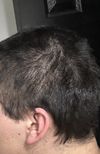
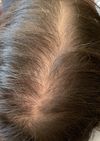
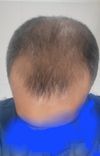
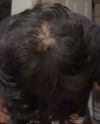
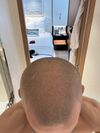
The user experienced hair loss since 2019 and tried finasteride, dutasteride, RU58841, and ketoconazole shampoo without success. A scalp biopsy showed scarring and inflammation from folliculitis, indicating chronic inflammation was affecting treatment effectiveness.
The conversation is about a hair loss treatment protocol involving microneedling, finasteride, RU58841, minoxidil, ketoconazole shampoo, and a scalp massager with oils. Some users advise starting with fewer treatments like finasteride, minoxidil, and microneedling to avoid potential side effects.
Petal Fresh Hair ResQ shampoo is discussed for hair loss, with skepticism about its effectiveness. Minoxidil is mentioned as part of a treatment plan, and other recommended ingredients include Piroctone Olamine, Ketoconazole, and Saw Palmetto.
A 26-year-old male used a hair serum containing procapil, Anagain, and biotin, noticing initial improvement in his hairline followed by worsening. He questions if this is mild shedding or if he should stop using the serum.
Onion juice may temporarily improve hair health by boosting blood circulation and providing antibacterial benefits, but it is ineffective against genetic or hormonal hair loss. Proven treatments like minoxidil and finasteride are recommended for more reliable results.
The conversation discusses using herbal oils, scalp massage, and dietary changes for hair loss prevention, with some success in regrowing baby hairs. Treatments mentioned include peppermint oil, cinnamon oil, castor oil, and RU58841.
A 23-year-old experiencing diffuse hair thinning has chosen a treatment stack including topical finasteride, a blend of rosemary, peppermint, and pumpkin seed oils, procyanidine B2 spray, ketoconazole shampoo, and scalp massages. They avoid minoxidil due to family history of side effects and oral finasteride due to high estrogen levels.
Poor gut health may contribute to hair loss and scalp inflammation, with treatments like finasteride, minoxidil, and Nizoral being used. Improving gut health and addressing inflammation might help alleviate symptoms.
A 21-year-old male shared his extensive hair loss treatment protocol, which includes Dutasteride, RU58841, Ketoconazole shampoo, oral Minoxidil, pyrilutamide, MK677, dermastamping, and castor oil, and reported improved hair regrowth and overall well-being. He has experienced no side effects and has also improved his diet and lifestyle.
The user shared their successful hair regrowth using oral finasteride, minoxidil foam, a custom topical solution, ketoconazole shampoo, and microneedling, resulting in significant improvement at the crown. However, they experienced hairline recession after switching to a topical solution with finasteride and minoxidil, raising concerns about its effectiveness.
The conversation discusses the frustration of having excessive body hair while experiencing scalp hair loss, with mentions of treatments like finasteride, minoxidil, and hair transplants using body hair. Users share experiences and advice, noting the role of genetics and DHT in hair growth patterns.
The user is using 1% ketoconazole shampoo, 5% minoxidil foam, and a multi-peptide hair serum to address hair loss, aiming to improve from Norwood 5 to Norwood 3. They are considering adding topical finasteride if current treatments show progress and plan to use cosmetic products like fibers and DermMatch for appearance enhancement.
Progesterone cream might help with hair loss by inhibiting DHT production and suppressing prolactin, which can increase DHT. Some dermatologists have used progesterone for hair loss treatment, and it has been effective, sometimes combined with minoxidil, finasteride, and hydrocortisone.
Hair loss treatments include finasteride, minoxidil, alfatradiol, vitamins, red light therapy, ketoconazole shampoo, meditation, green tea, leg workouts, and silk pillows. Genetics is emphasized as the primary factor in hair health, with some humor about unconventional methods like drug use affecting hair loss.
Hair loss discussion includes delay in others noticing balding, using hair fibers for peace of mind, and taking before and after photos. Finasteride and Minoxidil are mentioned as treatments.
Methods of treating hair loss, such as using Minoxidil and Finasteride, as well as the potential use of RU58841. People have shared their experiences with these treatments, discussing the success of them in aiding hair growth.
The user experienced a receding hairline and tried minoxidil, which may have slowed the process but caused puffy eyes. They are hesitant to use finasteride and suspect oily dandruff might be an aggravator.
Minoxidil (Lipogaine) and Ketoconazole shampoo (Regenepure) are recommended for hair loss treatment, while finasteride is considered risky due to potential side effects. Biotin is not advised due to possible health risks, and the user emphasizes the emotional impact of hair loss and the hope for a future cure.
A mid-30s individual is experiencing hair loss at the front and temples but not the crown, and is seeking affordable treatments. They have ordered pumpkin seed oil capsules due to cost and side effects concerns with official treatments.
The conversation jokes about hair loss treatments, mentioning finasteride, minoxidil, dutasteride, microneedling, ketoconazole shampoo, and rosemary oil as if they were players in a game. Some users also discuss the use of finasteride for prostate issues and the possibility of splitting the dose.
The user experienced positive hair regrowth using a routine of microneedling every 3 days, applying a blend of castor oil with peppermint and rosemary, bhringraj oil, and moringa oil, and using Pura D'Or DHT-blocking shampoo. They also take multivitamins and saw palmetto daily, reporting no side effects from saw palmetto.
The conversation discusses hair loss treatments, specifically using finasteride, minoxidil, and Nizoral. It also explores the potential impact of whey protein and BCAA on hair shedding, with users considering dietary changes to manage hair loss.
The user has been experiencing hair loss for years, tried ketoconazole shampoo without success, and has been on finasteride for 3 months but is unsure if it's working. A reply suggests waiting 6-12 months to properly assess finasteride's effectiveness.
The user experienced significant hair regrowth after using finasteride, minoxidil, and derma stamping, despite an initial heavy shedding phase. They also take omega-3, zinc, biotin, and folic acid daily, and report improved confidence and hair strength.
The conversation is about hair regrowth using topical finasteride, minoxidil, and keto spray, along with oral Saw Palmetto, Lustriva complex, collagen, and microneedling. Users discuss their experiences with these treatments, noting improvements in hair density and color, with some experiencing mild side effects.
A 30-year-old male successfully stopped hair loss and improved hair density using red light therapy, saw palmetto, vitamins, L-Arginine, fish oil, derma rolling, and specific shampoos, after experiencing negative effects from minoxidil and finasteride. He emphasizes focusing on blood flow and natural remedies, noting significant improvements in hair and beard fullness.
The user is stressed about hair loss and is using a HIMS topical treatment containing finasteride, ketoconazole, minoxidil, and biotin, but is concerned about the oily appearance it causes. They are considering switching to Rogaine (minoxidil) due to budget constraints and side effect concerns with oral finasteride.
A user stopped hair loss by eating organic pumpkin seeds daily, despite previously using minoxidil and finasteride. They suggest others try pumpkin seeds, noting potential benefits for hair growth, especially for women.
People are discussing hair care products and shampoos, with some using ketoconazole 2% and others mentioning products like NATIVE brand and Dr. Bronner’s peppermint soap. There's a focus on scalp health and the potential benefits of certain shampoos for aiding minoxidil absorption.