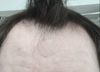
The post is about a user starting a hair loss treatment using finasteride, micro needling, and nizoral. The conversation includes supportive replies from other users.
Dr. Bloxham's trial is testing verteporfin on hair transplant patients to see if it can improve hair regrowth in treated areas. People are discussing the potential for follicle regeneration, expected results timeline, and concerns about side effects like cancer.
The conversation discusses using a violet ray device for hair regrowth, citing a case where zinc ion treatments showed promising results. It also mentions similar devices like the Growcombr and niostem helmet.
Hair loss may be linked to blood flow and inflammation, with treatments like Minoxidil, finasteride, and quercetin being discussed. The conversation also mentions the role of 5AR enzyme distribution in hair follicles.
This conversation discusses the effectiveness of microneedling for hair loss, particularly when used in combination with oral minoxidil and finasteride. It is suggested that microneedling alone can be more effective than topical minoxidil alone, but it won't have a synergistic effect with oral finasteride. Advice was also given regarding researching treatments further before taking action.
Verteporfin is being explored for hair regeneration, with unofficial trials and updates shared online. Efforts are being made to encourage more surgeons to trial verteporfin for donor hair regeneration.
A human trial involving the use of Verteporfin as a treatment for hair loss, which has been ongoing for 119 days with an update on its progress. Treatments such as Minoxidil, Finasteride and RU58841 have also been discussed.
A human trial involving verteporfin for hair regeneration, with the results showing some regrowth of 1-2 hairs in an area where a follicular unit was extracted. The conversation also suggested that future studies should involve higher doses and more frequent injections.
Hopeful treatments for hair loss, including Verteporfin, Androgen Receptor Degradation, and SCUBE3. These treatments offer potential solutions to slow or stop the effects of androgens on the scalp.
User discusses trying Low Level Laser Therapy (LLLT) for hair loss and its high cost. Another user shares their experience combining micro needling, minoxidil, and LLLT, seeing positive results after 2 months.
A user's experience with the Big 3 (minoxidil, finasteride and RU58841) hair loss treatment along with dermarolling. The dermaroller pin was 1.5mm used once per week and drew some blood but not a lot.
A 24-year-old male is concerned about hair loss, possibly at Norwood stage 3 to 5, and has started using Minoxidil, shampoo, and hair fibers, while planning to get finasteride. He is worried about the shedding process affecting his progress.
Finasteride users often experience itchy scalps, which may improve over time, but many rely on ketoconazole shampoo to manage symptoms. Some users find that finasteride helps with hair shedding, but not with scalp irritation, which may require additional treatment.
The conversation discusses using a dermastamp for microneedling to treat hair loss, focusing on needle length and frequency. Users share their routines, including applying minoxidil after microneedling, with some waiting 24 hours to avoid side effects.
Dutasteride in semen is considered a very small risk for partners, and fertility typically improves after stopping the medication. It is recommended to stop Dutasteride 3-6 months before trying to conceive to avoid potential impacts on fertility and fetal development.
The user experienced significant hair regrowth and improved hair volume after 4 months of using oral dutasteride (0.5 mg) and minoxidil (2.5 mg) daily, eliminating the need for a second hair transplant. The user is now satisfied with the results and feels more confident.
The user is experiencing depression and occasional suicidal thoughts while taking finasteride 1 mg daily for six months and is considering stopping it to see if their mood improves. They are seeking advice from others who may have experienced similar mood changes on finasteride.
Hair loss treatments discussed include Minoxidil, finasteride, and RU58841. There is skepticism about claims of a breakthrough, despite FDA approval for human trials.
The conversation discusses hair loss treatments, with the main focus on using Fluridil and considering switching to Pyrilutamide. Other treatments mentioned include minoxidil, topical finasteride, nizoral shampoo, and saw palmetto supplements, with advice to stick with Fluridil for at least six months before considering alternatives.
Breezula's phase 2 showed reduced efficacy after 6 months, but phase 3 had positive results, causing confusion about any changes made to the drug. There is frustration over the long timeline for hair loss treatments, with some users expressing more interest in other potential treatments like GT-20029.
The user is experiencing asymmetrical hair loss at the frontal hairline and is concerned about potential conditions like frontal fibrosing alopecia. They have started using finasteride and pumpkin seed oil to address the issue.
Derek has maintained his hair for over a decade using dutasteride, keto shampoo, and previously minoxidil, despite early hair loss and family history of baldness. Other users discuss their own hair loss treatments, including combinations of oral minoxidil, finasteride, dutasteride, RU58841, nizoral, microneedling, and low-level laser therapy.
Finasteride is humorously claimed to enable communication with sea mammals, with users sharing exaggerated side effects and alternative hair loss treatments like olive oil and onion. The conversation is satirical, with users joking about unusual experiences and results.
A dermatologist refused to prescribe finasteride due to concerns about recent research linking it to male breast cancer, suggesting a topical alternative with minoxidil instead. The user is advised to seek a second opinion, as the evidence for such risks is inconclusive and the dermatologist's reasoning seems questionable.
The user is considering switching from finasteride and oral minoxidil to dutasteride and a higher dose of oral minoxidil, taken intermittently, based on their dermatologist's advice. They are unsure about claims that finasteride loses effectiveness after a year and that minoxidil doesn't need daily dosing, and they are seeking community input on these points.
A 24-year-old male combines topical and oral finasteride with minoxidil to combat hair loss, experiencing heavy shedding but no significant side effects. Other users share their experiences with similar combinations, including using dutasteride and ketoconazole, emphasizing that personalized routines can be effective.
A user is exploring Kadeso, a product with Capilia Longa™ for hair regrowth, and seeks real-world experiences, comparing it to Minoxidil and Finasteride. They are interested in results, timeframe, side effects, and the credibility of the product's founder.
Transplanting pubic and butt hair to the head is discussed humorously, highlighting pros like DHT resistance and cons like poor blending and appearance. Users joke about using treatments like Minoxidil, Finasteride, and RU58841 on unconventional donor areas.
The user reports noticeable hair regrowth after using 2.5mg oral minoxidil daily and 2% ketoconazole shampoo every other day for three months. The dermatologist advised against finasteride due to the user's age but mentioned it might be needed later.