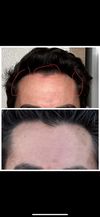
RU58841 is used for hair loss, with some users reporting decreased shedding and preserved hairlines. Concerns about safety and side effects like heart issues are noted, and some combine it with finasteride and minoxidil for better results.
RU58841 lacks FDA approval due to financial and safety concerns, including potential cardiological side effects. The company abandoned further research, and users report adverse effects like heart palpitations and gynecomastia.
RU58841 is used by some for hair loss, with mixed results; one user reported success with no side effects, while another experienced lung and heart issues. RU58841 is often sourced from third-party vendors and used alongside treatments like dutasteride and minoxidil.
Microneedling alone may not be effective for hair regrowth, though it can improve skin and reduce scars. Minoxidil caused heart palpitations for one user, leading them to stop its use.
The user experienced significant hair regrowth on temples and beard using a combination of Dutasteride, Tretinoin, and topical Minoxidil, but stopped oral Minoxidil due to heart pain. The user switched from Finasteride to Dutasteride due to aggressive hair loss.
The conversation is about using pyrilutamide and RU58841 as topical solutions to prevent hair loss. Pyrilutamide is considered safer but less potent than RU58841, which some users find effective despite potential side effects like heart palpitations.
The conversation discusses hair regrowth progress using 1mg oral finasteride and 5mg oral minoxidil daily over three years. Concerns about potential heart risks from minoxidil dosage are raised, with suggestions to consult a doctor and consider reducing the dose.
The user started taking 0.25mg finasteride daily on 9/19/25, along with using 2% ketoconazole, rosemary oil, and dermastamping. They are hesitant to add minoxidil due to heart palpitations.
The conversation is about managing side effects of finasteride for hair loss, with users discussing splitting 1mg pills into 0.5mg doses to reduce fatigue and other side effects. Some users experienced initial side effects like fatigue and heart palpitations, which improved over time or with dose adjustments.
A person has been using 1mg Finasteride for 20 years with no side effects but is now noticing temple thinning and is considering oral Minoxidil, despite concerns about heart health and body hair growth. They are consulting a doctor about possibly taking 1.25 to 2.5 mg of oral Minoxidil.
The user has been taking 1mg of finasteride daily for a year, maintaining hair density without regrowth. They are considering oral minoxidil for regrowth, avoiding topical minoxidil due to its toxicity to cats, despite concerns about heart side effects.
The conversation is about a user's progress using oral finasteride and minoxidil for hair loss over two months. The user reports noticing small hair regrowth after the first month and discusses the convenience and cost of chewable tablets from Hims, while also addressing side effects like ED and heart palpitations.
High-dose oral minoxidil (>5 mg/day) can increase hair density in some men with androgenetic alopecia, but side effects like extra body hair and heart issues are common. Gradual dose increase is advised, but adverse effects may lead to discontinuation or dose adjustments.
The user experienced side effects from using 1% finasteride and 2% minoxidil, including dermatitis, erectile dysfunction, and heart palpitations. They switched to using 2000mg pumpkin seed oil, saw palmetto capsules, and applying pumpkin seed oil and rosemary oil twice a week, seeking feedback on results.
The user shared progress pictures of hair growth after switching to oral minoxidil and finasteride, noting improved lighting in the photos. They experienced a faster heart rate for a few weeks and a slight decrease in libido as side effects.
Using essential oil roller bottles makes applying minoxidil easier and more convenient. Oral minoxidil has potential side effects, including heart issues, while topical application is considered safer.
A 23-year-old man uses a topical spray with minoxidil, finasteride, and tretinoin for hair loss, experiencing improved hair growth but occasional heart palpitations. He worries his girlfriend might leave him if he goes bald, but commenters advise that if she would leave over hair loss, she isn't worth it.
Topical minoxidil with retinoic acid is effective but causes scalp irritation, leading the user to consider switching to 2.5mg oral minoxidil. Oral minoxidil may cause body hair growth and heart-related side effects, so it's advised to use it under medical guidance.
The user has been using topical finasteride, Latanoprost, and other treatments for hair loss but hasn't seen progress and is considering increasing the finasteride dosage or switching to dutasteride. They cannot use minoxidil due to heart issues and are seeking advice on other options.
Switching from topical to oral minoxidil for hair loss, with plans to use it alongside dutasteride. Users report mixed experiences, including increased body hair, potential heart-related side effects, and varying hair regrowth.
The conversation is about a user experiencing hair loss despite using finasteride for 14 months, with suggestions to try other treatments like dutasteride or minoxidil. The user is hesitant to use minoxidil due to a family history of heart problems.
A 22-year-old male experiencing hair thinning and loss, possibly due to seborrheic dermatitis or low vitamin D, is cautious about using minoxidil or finasteride due to heart palpitations and high blood pressure. Suggestions include using ketoconazole shampoo to control inflammation and focusing on treating the dermatitis first.
Dutasteride is considered safe for conception, with semen concentrations being too low to cause harm. Users discuss switching between dutasteride and finasteride, with some experiencing side effects like acne and heart issues, and advice is given to maintain a consistent treatment regimen.
The conversation is about a user's positive experience with hair regrowth using 1mg finasteride and 2.5mg oral minoxidil, noting improvements in scalp and eyebrow hair. The user mentions minimal side effects, such as a slight increase in heart rate, and prefers oral minoxidil over topical due to ease of use.
Oral minoxidil combined with finasteride can improve hair density, but long-term safety is uncertain due to potential side effects like heart and kidney issues. Users report mixed experiences, with some experiencing side effects and others finding it effective for hair maintenance.
Oral minoxidil is seen as more effective and convenient than topical minoxidil for hair regrowth, but it may cause heart-related risks. Users often combine it with finasteride or dutasteride, though some prefer topical treatments due to safety concerns.
Significant hair regrowth was achieved using finasteride and 2.5mg oral minoxidil over a year, despite initial shedding. The treatment is recommended, though it may cause increased heart rate and body hair growth.
The user experienced progress in hair recovery using oral finasteride and minoxidil, despite some side effects like increased heart rate. They switched from foam to oral treatments for convenience and reported minimal shedding.
A 21-year-old is using oral Minoxidil (3mg daily) and Finasteride (1mg three times a week) for hair loss, along with Nizoral and hair vitamins, showing progress after 4 months. Initial side effects from Minoxidil included increased heart rate and heavy breathing, which subsided, while Finasteride has not caused any side effects.