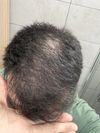
The conversation is about using natural DHT blockers like saw palmetto, pumpkin seed oil, and stinging nettle extract for hair loss. Saw palmetto is noted to potentially halt mild hair loss.
The user experienced hair thinning despite using finasteride and switched to a ketoconazole shampoo without sulfates to address scalp itching and dandruff. They hope this will stop further hair thinning.
A 22-year-old woman is experiencing genetic hair loss and has tried natural remedies like coconut oil and aloe vera without success. She seeks advice on whether to see a dermatologist or use treatments like Minoxidil (Rogaine) despite her parents' skepticism about professional help and chemical treatments.
Castor oil is being considered for hair thinning, with some users noting it may prevent hair breakage but not affect DHT-related hair loss. Some users report mixed results, with one mentioning increased body hair growth from oral consumption.
Hair loss treatments, including microneedling, minoxidil, finasteride and RU58841; the efficacy of these treatments; criticisms of Kevin Mann's content related to his selective data presentation and biases towards certain treatments; and other topics such as DHT being labeled a "trash hormone" and critiques of other hairloss YouTubers.
The user experiences an itchy scalp despite using finasteride and ketoconazole shampoo for hair loss. Suggestions include trying different shampoos, switching to dutasteride, and using topical treatments for inflammation.
The user has been using oral minoxidil, dutasteride, RU58841, and other treatments for hair loss over nine months, seeing some improvement in hair thickness and crown volume but continued thinning at the hairline. They plan to continue treatment for another nine months despite being sensitive to DHT fluctuations and are considering increasing dosages or other options like a hair transplant.
The user experienced significant hair improvement over two years using finasteride, minoxidil foam, and ketoconazole, despite some initial shedding and a side effect of watery semen. They are satisfied with the results and encourage others to persist with their treatment.
Red light therapy has shown promising results in hair regrowth for the user, who avoids minoxidil and finasteride due to side effects. The user follows a healthy lifestyle with diet, exercise, and sauna use, and will continue monitoring the therapy's effectiveness.
Some prefer hair systems for better appearance and confidence, while others find them costly and inauthentic. Alternatives like minoxidil, finasteride, and hair transplants are also considered.
Finasteride is more accepted than hair systems because it is less visible and maintains natural hair. Treatments like minoxidil and finasteride are commonly used for hair loss, but opinions on hair systems vary.
An 18-year-old with early hair loss is advised to consider minoxidil and finasteride, with a doctor's consultation recommended. Alternatives like a hair system or shaving are suggested due to potential medication side effects and lifelong commitment.
Minoxidil is often applied once or twice daily for hair growth, but many find it inconvenient and switch to once daily or oral minoxidil for ease. Some users combine it with finasteride for better results, despite potential side effects.
A 35-year-old is seeking advice on hair loss treatments, considering minoxidil, finasteride, and possibly a hair transplant in Turkey. They have previously tried microneedling for a year.
The user experienced significant hair regrowth after switching from fake to genuine minoxidil, alongside continued use of finasteride. They advise caution when purchasing minoxidil from Amazon due to the risk of counterfeit products.
A 24-year-old shared their 7-month progress using a topical solution of finasteride 0.1%, minoxidil 5%, and hydrocortisone butyrate 0.08%, along with ketoconazole shampoo, to treat hair loss, reporting no side effects and noticeable hair improvement. They also take vitamin D and biotin supplements, use a dermastamp, and manage Hashimoto's without thyroid medication.
Creating custom topical treatments for hair loss using minoxidil, finasteride, and RU58841. It includes recipes and instructions for home preparation, focusing on cost savings and customization.
Oleic acid and ethanol are being considered for hair regrowth, with some users planning to self-experiment. There is skepticism about their effectiveness, and ongoing use of treatments like finasteride and minoxidil is mentioned.
The user shared their successful hair regrowth journey using minoxidil 5% twice daily and weekly microneedling. Other users suggested adding finasteride to maintain gains long-term.
The conversation is about using finasteride and testosterone replacement therapy (TRT) for hair loss and their role in gender-affirming care. It debates whether these treatments are considered hormone replacement therapy (HRT) and their implications for both cisgender and transgender individuals.
Hair loss negatively affects mental health, causing anxiety and depression. Minoxidil and finasteride are discussed as treatments, but side effects and mental health concerns remain.
KX-826 combined with minoxidil significantly increases hair growth compared to minoxidil alone for treating male androgenetic alopecia, with no unexpected safety concerns. Users discuss various hair loss treatments, including KX-826, minoxidil, finasteride, and RU58841, sharing personal experiences and sourcing information.
The user shared their hair loss treatment progress using topical products like exosomes, fluridil, Kx826, and topical dutasteride, avoiding oral finasteride and dutasteride due to side effects. They found exosomes from Creative Biolabs most effective and also used topical probiotics, noting improvements without significant side effects.
The user reported significant improvement in hair quality and stability using topical finasteride for two years, without side effects. They later added minoxidil, which may have further enhanced hair quality.
A user shared their positive experience 12 months after a hair transplant with 4052 grafts and 10130 hairs, using finasteride, red light therapy, B12, biotin, and rosemary oil. They are satisfied with the results and recommend these treatments.
A user shared their hair loss journey using oral finasteride for over six years and oral minoxidil for one year, noting some progress and considering switching to dutasteride. Others shared mixed results and side effects from using minoxidil, finasteride, and dutasteride.
The user has been using 1.25 mg Finasteride and topical Minoxidil once a day for six months with positive results and no side effects. They emphasize the importance of continuing the medication to maintain hair regrowth and discuss the potential benefits and side effects of different dosages.
The user is experiencing significant hair regrowth using 1mg oral finasteride, 1.25mg oral minoxidil, 5% topical minoxidil, biotin, vitamin D3, fish oil, and weekly microneedling with a 1mm needle roller. They report no major side effects, except for slight hair growth near the eyebrows, and are pleased with the progress.
A user humorously suggested smoking minoxidil in a blunt as an alternative hair growth method, sparking a satirical discussion on unconventional and unsafe ways to use minoxidil. The conversation included various suggestions like oral pills, rectal administration, and other absurd methods, with some users warning against the dangers of such practices.