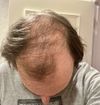
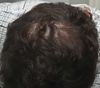
Hair regrowth treatment involving 3aHSD enzyme shows 6% improvement in 18 weeks. Sulforaphane, L-Menthol, and Dexpanthenol are potential ingredients for new hair loss solution.
User started with rosemary oil, then used oral minoxidil, topical minoxidil, dutasteride, RU58841, derma rolling, and keto for hair loss treatment. Significant progress was made, and others praised the aggressive approach.
The conversation discusses using a Hydra Pen to inject topical finasteride and Minoxidil for hair loss treatment. A user reports no side effects after one week of use and plans to share results in two months.
The conversation is about disappointment with hair loss progress despite using treatments like finasteride, minoxidil, nizoral, tretinoin, and a dermaroller. Direct sunlight revealed more hair loss than expected, prompting continued treatment and hope for improvement.
The user experienced noticeable hair regrowth using topical minoxidil and a dermaroller within a month. They are advised to consider DHT inhibition for lasting results.
The user experienced chest pain and increased heart rate after microneedling while using topical minoxidil for hair loss. They are unsure if minoxidil is effective without microneedling.
A user discussed the "Rootique Duo," a device that turns minoxidil into mist for scalp application, but others suggested cheaper alternatives like an AliExpress applicator. Some users prefer traditional methods like droppers or spray nozzles, especially for longer hair.
The user is experiencing significant hair loss and is considering treatments like minoxidil, finasteride, and possibly a hair transplant. They are advised to consult a dermatologist and consider oral minoxidil and dutasteride, while being aware of potential side effects and the need for ongoing treatment.
At 4 months post hair transplant, the user is taking oral minoxidil and finasteride, and progress is on track. Users suggest the results are good, with some recommending patience and others offering hair care advice.
A 21-year-old is using a combination of topical finasteride, topical and oral minoxidil, a liquid multivitamin, collagen powder, liquid biotin, microneedling, and red light therapy to address hair thinning. They are cautious about side effects and unsure if their hair loss is due to DHT or past brushing habits.
The conversation discusses the appearance of new baby hairs with treatments like castor oil, finasteride, minoxidil, and dermarolling. Users note that baby hairs often go unreported after initial excitement, with some seeing growth and others losing interest in updates.
A user shared their 6-month progress using a dermaroller and a homemade shampoo made of rosemary water, aloe vera, and vitamin E for hair loss. They provided a link to photos showing their results.
The user's experience with rosemary oil as a hair loss treatment and its effectiveness; they discuss other treatments such as finasteride, minoxidil, and RU58841; there is also discussion of combining oils like peppermint oil, zix, and dermapen.
A 34-year-old man is using natural methods like rosemary and peppermint oil, micro-needling, and low-level laser therapy to manage hair thinning, avoiding medications like minoxidil and finasteride. Despite minimal visible progress, he values the non-medicated approach and remains consistent with his routine.
Use tretinoin three times a week, dermaroll once a week, and apply minoxidil daily, but avoid using all three on the same day. Tretinoin is preferred over hydrocortisone and should not be used immediately after dermarolling.
Regrowing hairline without the use of Minoxidil or Finasteride, and instead using mechanical stimulation such as Derma Roller, Nizoral, Zinc Pyrithione, Scalp Massage, Scalp Exercise, Fish Oil and other topical solutions. It is cautioned that there are risks associated with not using medically-prescribed treatments, but it is suggested to consider mechanical stimulation in addition to those prescribed treatments.
A 25-year-old male is experiencing hair thinning at the hairline and vertex, considering using a dermapen or dermastamp, and seeking advice on whether to continue with natural remedies like onion juice and rosemary oil or start using minoxidil or finasteride. He is also looking for recommendations on microneedling devices.
The conversation is about a hair loss treatment protocol involving microneedling, finasteride, RU58841, minoxidil, ketoconazole shampoo, and a scalp massager with oils. Some users advise starting with fewer treatments like finasteride, minoxidil, and microneedling to avoid potential side effects.
A user with stage 3 baldness is seeking advice on microneedling for hair growth, including pre and post-care, washing routines, and the use of hair growth serums or oils. They also inquire about the effectiveness and safety of microneedling pens.
New hair loss treatments include Breezula, PP405, ET-02, KX-826, GT20029, VDPHL01, and CosmeRNA, with some showing promise in reactivating stem cells and reversing greying. Breezula and VDPHL01 are highlighted as potential add-ons or alternatives to current treatments like finasteride and minoxidil.
Red light therapy for hair loss is controversial, with mixed results reported. Its effectiveness may depend on device quality and proper wavelength, and it is often used with minoxidil and finasteride.
The user is using a topical spray with finasteride and minoxidil, red light therapy, and ketoconazole shampoo for hair loss, and is considering waiting a year before getting a hair transplant. Other users suggest microneedling, using oral treatments, and investing in a laser helmet for better results.
A user asked if applying oil (olive, coconut, etc.) to the scalp for dryness and hair loss is effective, as recommended by a dermatologist. They expressed doubt about the advice and sought opinions on its usefulness.
Hair loss treatments that avoid significantly lowering systemic DHT levels, focusing on topical options like dutasteride mesotherapy, minoxidil, and ketoconazole. The user is exploring alternatives like KX-826 and RU58841 due to concerns about hormone levels.
A 21-year-old used minoxidil, finasteride, avocado oil, peppermint oil, and a derma stamp to treat hair loss and saw significant improvement in 9 weeks. He also used a DHT blocking shampoo and got a haircut to enhance the appearance of hair growth.
Hair growth relies on mechanical forces, not just chemicals, with tissue acting like a motor. Minoxidil and finasteride help, but maintaining tissue elasticity and addressing mechanical issues are essential.
LLLT (low-level laser therapy) is as effective or better than traditional minoxidil treatment for hair growth, with fewer side effects and improved long-term compliance due to milder adverse effects. Studies show LLLT increases hair density more than minoxidil, but drawbacks include the initial cost and the need for long-term use to see results.
Using a dermaroller can enhance hair regrowth, especially when combined with minoxidil, and is recommended at depths of 0.75-1.5mm weekly. Microneedling boosts absorption and blood flow, and red light therapy is also being considered for hair growth.
A user who was losing their hair and found an effective solution; they asked for opinions on it and discussed treatments such as Minoxidil, Finasteride, and RU58841, as well as SMP.