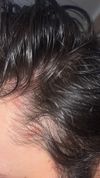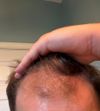
The conversation is about using a topical serum for hair loss with ingredients like finasteride and minoxidil, and the option to exclude retinoic acid and hydrocortisone due to concerns about long-term effects. One user prefers using only finasteride, avoiding minoxidil and retinoic acid, and plans to remove hydrocortisone in future orders.
MCT oil helps reduce dandruff, flaking, and itching, and may slow hair loss progression. Eliminating sugar and dairy also stabilizes hair loss, while zinc, sugar, and dairy can worsen scalp conditions.
The conversation discusses concerns that Anagenic's version of GT20029 might not be as effective or safe as Kintor's, with comparisons to issues faced by pyrilutamide. The chemical structure of the drug has been published.
Peppermint Essential Oil (PEO) was discussed for its hair regrowth effects on shaved mice after 4 weeks. Specific treatments mentioned include Minoxidil (Min), Finasteride (Fin), and RU58841 (RU).
Bovine colostrum is being discussed for its potential in hair regeneration, with some users noting that oral consumption may not be effective due to stomach acid destroying exosomes. The conversation also touches on ethical concerns about sourcing colostrum.
A 30-year-old female with telogen effluvium and androgenetic alopecia is using spironolactone, oral minoxidil, vitamin D, iron sulfate, and a hairmax laser band. She seeks recommendations for a dermastamp or derma roller, advised to use no higher than 0.5 mm.
OP used castor oil, ketoconazole shampoo, and biotin tablets for hair growth, reporting significant beard growth and faster hair growth on the scalp, but with stomach issues from castor oil. OP also used finasteride and recommended starting with 1ml of castor oil, noting that while hair grew faster, density did not significantly increase.
Saw palmetto's fatty acids, particularly lauric and linoleic acids, inhibit enzymes linked to hair loss, while sterols like beta-sitosterol are less effective due to poor absorption. The conversation questions which specific compounds in saw palmetto contribute to its anti-androgenic effects.
The user shared progress pictures showing improvement in hair growth after one year of using finasteride and minoxidil. They are considering microneedling to further improve their hairline and have chosen to use a derma stamp.
Choosing between two hair loss treatments, with a preference for a higher concentration of RU58841 and 5% minoxidil, avoiding oils like castor and argan that may hinder absorption.
New potential hair loss treatment uses molecules from hairy moles to stimulate follicle growth. Topical solution requires less frequent application, like Botox injections a few times per year.
The user has been using a hair regrowth regimen for 9-10 months, including topical finasteride and minoxidil, various oils, and supplements like multivitamins and omega-3. They observed fine hairs returning and a change in scalp texture after adding cinnamon oil, questioning if this indicates positive hair regrowth.
An 18-year-old experiencing balding since age 15 is seeking alternatives to minoxidil for hair regrowth, currently using rosemary oil and a 0.5mm derma roller. They are unsure about the proper use of these treatments.
A user added Castor Oil to their hair loss regimen, already using finasteride but not minoxidil. They seek feedback on Castor Oil's effectiveness and any potential negative experiences.
A 17-year-old experiencing hair thinning uses dermarolling with rosemary oil and plans to start finasteride at 18. A reply suggests using finasteride and minoxidil due to high DHT sensitivity.
The post discusses the use of latanoprost foam for hair growth, with the user expressing concerns about its efficiency and safety. The user is currently using topical dutasteride, which maintains their hair but doesn't promote regrowth, and is seeking a product that doesn't affect hormone levels.
A plant-based hair growth serum using Centella shows visible results in less than 2 months with minimal side effects. It is considered a promising alternative to conventional treatments like Minoxidil and finasteride.
The user experienced significant hair regrowth using dutasteride 0.5 mg daily, 5% topical minoxidil twice a day, and microneedling over several months. They also used ketoconazole shampoo and rosemary oil, reporting some side effects but overall positive results.
A new brand is seeking 10 U.S.-based individuals aged 25+ experiencing hair loss to test a topical product containing GHK-Cu and Acetyl Tetrapeptide-3. Participants must not be using other treatments like finasteride or minoxidil and will provide feedback and photos.
A user shared their positive experience with a 4-in-1 topical solution containing finasteride, minoxidil, ketoconazole, and biotin, along with weekly microneedling using a 1.2mm dermastamp. The user reported no noticeable side effects and mentioned that the biotin likely doesn't contribute to hair growth.
User has been on 1mg finasteride for 6 months, using minoxidil, derma rolling, rosemary oil, and pumpkin seedoil, seeing new but thin hair growth. Another user advises patience, noting hair loss stabilization and some regrowth.
The conversation discusses the potential benefits of creating a hydrophobic version of finasteride to reduce systemic side effects while maintaining scalp health. It compares this idea to fluridil, which is designed to be hydrophobic and has less systemic absorption.
The conversation is about trying Keratin Microsphere products for hair loss, specifically SAF 100 Pro, but no noticeable results were observed. The user also mentioned using a Hairclub wand.
Lowering DHT can improve skin quality and reduce scalp issues. Finasteride is effective for hair regrowth and improving skin texture, while dutasteride may increase oiliness and shedding for some users.
The post discusses using Mucuna pruriens, essential oils, and dermarolling for hair loss treatment. The user also mentions pausing testosterone-boosting herbs due to side effects like acne and hair loss.
The conversation discusses using green tea, saw palmetto, horsetail, and zinc supplements for hair regrowth. One user criticizes the avoidance of finasteride.
The user is attempting to regrow hair using natural methods like microneedling, rosemary oil, and capsaicin tincture, avoiding medications like finasteride and minoxidil due to past health issues. Feedback suggests these methods are ineffective, with many recommending shaving or considering a hair system instead.