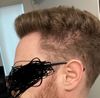
GHK-Cu injections led to unexpected temple hair growth for someone who had been using minoxidil and finasteride for over a decade. The user plans to continue using GHK-Cu and experiment with a DIY AHK-Cu serum.
Excess Vitamin A and topical retinoids can cause diffuse hair shedding. The user suspects their chronic telogen effluvium may be linked to using adapalene, a topical retinoid.
The conversation discusses choosing between titanium fixed needles and a pen with disposable needles for hair loss treatment at a 1.5mm depth. The preference is for disposable needles for better sanitization.
A user is joining a clinical trial for Clascoterone, a drug approved for acne but being tested for hair loss. They previously tried finasteride with limited success and plan to share updates on their experience with the new treatment.
The conversation discusses the delay in the release of a new hair loss treatment, Pyrilutamide, and speculates on potential safety concerns as a reason for the delay. It also mentions GT20029 as another future treatment option, with a release at least five years away, and touches on the avoidance of research chemicals due to uncertainty about their authenticity.
The user believes neck tension and poor posture contribute to hair loss, noticing improvements with yoga and muscle relaxation. Replies suggest androgenic alopecia as the cause and recommend exercises.
A 25-year-old is experiencing chronic telogen effluvium (TE) and androgenetic alopecia (AGA) after surgery, using finasteride, red light therapy, and supplements, and considering oral minoxidil despite heart concerns. They are unsure whether to start minoxidil before or after an upcoming surgery, which may trigger another hair shed.
Hair systems are a popular solution for hair loss, offering impressive transformations with manageable maintenance and cost. Some users prefer hair systems over medications like Minoxidil or Finasteride, while others express concerns about the permanence and visibility of these systems.
A 35-year-old man shared his hair transplant experience in Tijuana, Mexico, choosing Artline for 5,000 grafts at a lower cost than U.S. clinics. He plans to use topical minoxidil and possibly microneedling for better results.
Hair loss discussion mentions losing 50 strands daily as normal, but varies for individuals. Some users joke about hair loss in other areas, while others emphasize individual differences and hair cycle length.
A 20-year-old male has been experiencing hair loss for three years due to a vitamin D deficiency and has seen no improvement after 3.5 months of taking supplements. Another person suggested that if the hair loss follows a pattern, it might be regular baldness rather than due to the deficiency.
MCL-1 protein may help maintain hair follicles in the growth phase and prevent miniaturization. There is interest in experimental treatments like exosomes, peptides, or stem cell serums to upregulate MCL-1 for hair loss, especially for those not using minoxidil or finasteride.
Clascoterone in Winlevi, a topical AR antagonist, is being re-examined due to concerns about HPA axis suppression in adolescents, but it's unlikely to be banned for adult use in androgenetic alopecia (AGA). The European Medicines Agency recommended refusing Winlevi for acne vulgaris, but this may not affect Breezula's approval for AGA.
Scalp biopsies are crucial for diagnosing hair loss conditions like Diffuse Unpatterned Alopecia (DUPA) and retrograde hair loss, as treatments like finasteride and dutasteride may not be effective if other conditions are present. Combining PPAR-GAMMA agonists with retinoids could improve treatments for conditions like Lichen Planopilaris.
Bicalutamide and spironolactone are being compared for their effectiveness and safety in treating female pattern hair loss. The conversation seeks advice on which is better to use.
People with hair loss experience emotional struggles and body dysmorphia. Treatments like minoxidil, finasteride, and dutasteride are used, but results vary and can take time.
CRISPR treatments for blood disorders have been approved, leading to discussions about its potential for treating hair loss (AGA). A study showed that editing a gene related to DHT sensitivity could lead to hair regrowth, suggesting CRISPR may eventually be used for AGA, but it's expected to be expensive and not soon available.
A 34-year-old male is experiencing hair loss on the sides of his head, with inflammation and itchiness, while the top remains thick. He is using topical dutasteride and keto shampoo to address the issue.
Winlevi (clascoterone 1%) is being discussed as a potential hair loss treatment. Users are considering its use despite concerns about its delivery method.
The conversation discusses HMI 115, a new hair loss treatment with promising results, showing a significant increase in hair density after two months. Some users are skeptical, while others are hopeful for its release and potential affordability.
The conversation is about the approval of Clascoterone (Winlevi) in Canada for hair loss treatment. One user expressed skepticism about its effectiveness due to low concentration.
A user is considering making a 2% clascoterone lotion from powder due to unavailability in their location. They plan to mix clascoterone powder with retinol lotion and use literature to determine the correct dosage.
The user noticed miniaturized hair at the front of their hairline and is not on any medication. They are concerned if this is a sign of a receding hairline or something normal.
The user aims to achieve a hypertrichosis look and has used topical Minoxidil for 20 years, now trying oral Minoxidil in a low dose. They seek alternatives to Minoxidil to avoid side effects.
A user switched from RU58841 to Pyrilutamide for hair loss treatment after experiencing side effects and continued hair shedding with RU. They are now losing hair faster with Pyrilutamide and questioning if they should revert to RU58841.
A user who has been using Pyrilutamide for 19 days, experiencing some hair thickening in the right temple and crown area but also having ball ache after microneedling; other users offer advice, caution and skepticism as to whether results can be seen in such a short time.
The user is experiencing ongoing hair loss despite using a comprehensive treatment regimen including dutasteride, oral minoxidil, cyproterone acetate, transdermal estradiol, and topical bicalutamide. They suspect cyproterone acetate may be worsening their hair loss and are considering switching to injection monotherapy.
A user shared their experience with a hair and beard transplant in Istanbul, performed by Dr. Selahattin Tulunay, noting successful results after 12 months. The procedure cost 5000 €, and the user is open to questions about combining procedures or traveling for surgery.
A user was prescribed betamethasone dipropionate spray for a receding hairline, which caused skin peeling and depigmentation. They stopped using it and are considering alternatives like BPC-157/TB-500 for healing.