The conversation humorously discusses using a full head wig for hair, beard, and perfect skin, with mentions of treatments like finasteride, RU58841, and microneedling. It highlights a shift from serious hair loss discussions to satire and memes.
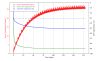
A Dutasteride Simulator predicts serum dutasteride, serum DHT, and scalp DHT levels using models from research papers. It simulates various dosing schedules to determine steady-state effects and visualizes outcomes, including hair growth-related scalp DHT suppression.
The conversation discusses the potential of developing a selective oral SARM to target androgen activity in the scalp and skin, as an alternative to oral Dutasteride and Finasteride, which have systemic side effects. It also mentions Clascoterone and RU58841 as topical treatments for hair loss.
User RG737 considers hair system as last resort for hair loss, as finasteride and alternative remedies didn't work. Jeff-92 shares positive experience with hair system, suggesting to try it and push through initial doubts.
A user with diffuse thinning alopecia uses a custom full cap wig for an active lifestyle, costing $450 and lasting about 10 months. They share their positive experience with the wig as an alternative for those for whom treatments like Minoxidil, finasteride, or RU58841 don't work.
The conversation discusses hair loss treatments, specifically using finasteride, minoxidil, and microneedling. Recommendations for durable microneedling tools include the Derminator 2 and Dr. Pen.
The conversation discusses combining oral dutasteride with topical finasteride to further reduce scalp DHT levels for hair regrowth. Users debate the effectiveness and safety of this combination, with some suggesting alternatives like topical antiandrogens such as RU58841, fluridil, and alfatradiol.
The conversation is about using RF microneedling with ExoHealer, along with finasteride and minoxidil, to improve hair thickness and reduce shedding. The user reports noticeable improvements in scalp texture and oiliness, with plans to consider stem cell treatments in the future.
The conversation discusses hair loss treatments, including finasteride, microneedling, minoxidil, and PTD-DBM. The user has not noticed significant regrowth and is considering cost-effective options like valproic acid.
The conversation is about using dutasteride mesotherapy with a dermaroller for treating a receding hairline, especially on the temples. The user is seeking advice on its effectiveness.
The conversation is about a hair regrowth regimen that includes using minoxidil, peppermint oil, a red light hat, and microneedling. The user is seeking advice on the effectiveness and frequency of these treatments.
User "hairplsrn" shares their hair loss journey, trying various treatments like finasteride, minoxidil, and dutasteride, but experiencing worsening hair loss. They decide to get a partial frontal hair system and continue medication, while others offer support and advice on staying on medication and focusing on overall confidence.
A user's 6 month hairline results from using dutasteride and microneedling, which resulted in successful regrowth of their thinning temples. Other users commented with similar experiences that were also achieved through the use of finasteride, dutasteride and minoxidil.
Combining 0.5 mg oral finasteride with topical finasteride and minoxidil during an Enclomiphene cycle may help manage increased DHT levels. Monitoring for side effects is advised.
The conversation provides advice on using derma rollers, stamps, and pens for hair loss, detailing types, usage, cleaning, depth, frequency, and caution with topicals like minoxidil. The user plans to replace a roller with a pen for better accuracy and safety, and uses a castor oil/rosemary oil mix post-needling.
A user reported positive hair growth using a regimen of oral finasteride, minoxidil, Dr. Pen, keto shampoo, and a Capillus 272 LLLT cap. Other users debated the effectiveness of the LLLT cap, with some attributing the success to the combined treatments rather than the cap alone.
The user noticed increased hair fullness after using a minoxidil and finasteride oral capsule but is unsure if the 1.25 mg minoxidil dose is sufficient. They are considering switching to a higher dose and are waiting for a dermatologist's advice.
The user has been taking 3.75mg of finasteride weekly for 8 months, which has improved their hairline and hair texture. They shared a humorous encounter with a bald mechanic who complimented their hair, unaware of the finasteride use.
Scalp sunburns can cause permanent hair loss, so wearing UPF hats is essential. Tretinoin and Tacrolimus users should be cautious of increased photosensitivity and potential scalp issues.
A person is experimenting with microneedling on one temple while using Minoxidil to address hair loss. They plan to needle weekly and apply Minoxidil twice daily, avoiding application around needling sessions.
Hope Medicine received a $28M investment for HMI-115, a monoclonal antibody in phase II trials for treating androgenetic alopecia. Some users are skeptical about its effectiveness, while others find the investment and trial results encouraging.
Hope Medicine's HMI-115 is expected to be released in 2027, with phase 3 trials currently recruiting. Concerns include the safety of targeting prolactin and the potential cost of the treatment.
The conversation discusses a user's plan to inject NAD+ and GHK-Cu into their scalp to improve hair health, with concerns raised about the risks of infection and necrosis. Alternatives like finasteride, dutasteride, microneedling, oral minoxidil, and scalp massages are suggested.
The user is using 0.1% dutasteride, 1% minoxidil with 2% procapil and 0.005% caffeine in the morning, and 1% minoxidil with 2% procapil and 0.01% tretinoin at night. They are concerned about the solution vehicle's effectiveness in preventing systemic absorption and ensuring the products stay around the hair follicles.
A user's decision to shave their head after struggling with hair loss for seven years, and the medications and treatments they are using to attempt regrowth. They also discuss potential future treatments that may come out in the near future.
The user shared their experience with CB-03-01 (Breezula/Clascoterone) for hair loss, noting reduced shedding and improved hair appearance but experiencing significant sleep disturbances and low energy due to HPA axis suppression. They decided to stop using it due to these side effects and are waiting for GT20029 as an alternative.
Calecim (PTT-6) Advanced Hair System is a 6-week hair restoration product using stem cell-derived ingredients to stimulate hair growth. Users are skeptical, calling it overpriced and ineffective, suggesting alternatives like LLLT devices or PRP treatments.
The post discusses a phase 2 trial for HMI-115, a hair loss treatment, in China, specifically seeking volunteers aged 18-65 with Norwood 3 vertex, 4, and 5 hair loss. The conversation includes questions about the specific recruitment criteria and how to volunteer.
Switching from finasteride to dutasteride worsened hair loss and caused a burning sensation. Users suggest sticking with finasteride, using ketoconazole shampoo, and consulting a dermatologist.