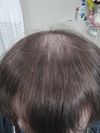
TDM-105795 showed promising hair growth results, with higher efficacy than placebo and minimal side effects. It activates dormant hair follicle stem cells and may maintain gains without immediate loss, unlike minoxidil.
The user experienced erectile dysfunction from oral finasteride and is considering alternatives like topical high-dose finasteride, RU58841, topical Latanoprost, and oral Minoxidil. Blood tests showed changes in testosterone and DHT levels, and the endocrinologist advised stopping finasteride.
The conversation discusses hair loss and queries the effectiveness of treatments like PRP, Exosome therapy, peptides, and Stem Cell therapy. Specific treatments like Minoxidil, finasteride, and RU58841 are also mentioned.
A user is upset about hair loss due to seborrheic dermatitis and DUPA, which prevents a hair transplant. They mention using jojoba oil and discuss treatments like Minoxidil, finasteride, and RU58841.
The conversation discusses a hair loss treatment routine involving daily minoxidil, finasteride, micro-needling, rosemary oil, and biotin supplements. The user shares personal experiences, noting no side effects from finasteride and emphasizing the importance of a healthy lifestyle in preventing hair loss.
Clascoterone 5% solution shows strong potential for hair growth, offering a new treatment for alopecia with minimal side effects. It blocks androgen receptors locally and may be available by late 2026 or early 2027.
A 26-year-old male is unhappy with his current hair loss routine, which includes microneedling, ketoconazole shampoo, and a topical formula with Minoxidil, Finasteride, and other ingredients. He struggles with consistency due to ADHD and is considering switching to oral medication for simplicity, but is concerned about side effects and effectiveness.
A mixture of MSM, kombucha, and black tea was applied topically for hair growth in mice. The conversation suggests skepticism about translating these results to humans.
Caffeine might raise stress hormones, potentially worsening hair loss. Telogen effluvium is often misattributed to minor stressors rather than significant life events.
A female, aged 17-18, is experiencing significant hair loss, feeling hopeless despite trying various treatments like leave-in conditioners, omega-3s, supplements, sulfate-free shampoo, and biotin. She is distressed as her hair continues to thin, affecting her body image and self-esteem.
A new hair loss treatment theory beyond minoxidil and finasteride is proposed, causing mixed reactions in the community, with some members eager to explore and support it, while others call for more research and evidence.
The conversation discusses why some men with hair transplants choose certain hairstyles that may reveal their surgery, while others, like Machine Gun Kelly (MGK), opt for styles that conceal it. Specific treatments mentioned include hair transplants, minoxidil, and finasteride.
The user has experienced hair regrowth using finasteride, minoxidil, dermarolling, and nizoral shampoo, but is considering a hair transplant due to advanced hair loss. Others suggest checking the donor area and considering a reputable surgeon for a potential transplant.
The emotional difficulty of hair loss for men and how society can be more understanding; various methods to address hair loss, such as finasteride, minoxidil, and RU58841; and why it is important to normalize caring about one's looks.
The conversation discusses the potential benefits of topical caffeine for Androgenetic Alopecia (APA) and female pattern hair loss. While some studies suggest positive results, there's no reliable scientific evidence to strongly recommend caffeine compounds for hair regrowth.
The conversation is about hair loss treatments, including dermarolling, Minoxidil, Finasteride, and RU58841. Users discuss their experiences, side effects, and application methods for these treatments.
A 39 year old male who has been balding since 23 and is intolerant to finasteride, using microneedling with Derminator 2 once per week and minoxidil foam twice daily in an effort to increase thickness of vellus hairs on the crown and maintain hairline.
Researching the release of phase 2 trials for pyrilutamide, a potential hair loss treatment, and discussing other treatments such as Minoxidil, Finasteride, and RU58841.
Scalp micropigmentation (SMP) is a debated hair loss solution, with some praising its natural look and low maintenance, while others criticize it for looking unnatural and being a temporary fix. Many prefer traditional hair restoration methods like hair transplants or medications such as finasteride and minoxidil.
A 21-year-old male with advanced hair loss (NW7) started using finasteride and minoxidil 10 months ago but hasn't seen much progress. He is pre-diabetic with stage 1 hypertension and is seeking insights on whether treating these conditions could improve hair regrowth.
The conversation discusses the perception of increased hair loss among young men, with some attributing it to heightened awareness or environmental factors. Various treatments are mentioned, including Minoxidil, Finasteride, microneedling, scalp massages, and future hair transplant methods.
An 18-year-old male is experiencing significant hair shedding, particularly from the back of his head, despite normal blood test results except for slightly low vitamin D. A dermatologist prescribed minoxidil for receding temples, but the cause of the shedding remains unclear.
A 22-year-old male has been using oral minoxidil, oral finasteride, microneedling, and ketoconazole for hair loss treatment over two years, experiencing some regrowth and maintenance. He reports side effects from finasteride, including erectile dysfunction, and slight libido impact from minoxidil.
A 28 year old using a hair loss prevention protocol to restore thinning hair, which includes finasteride, dutasteride, minoxidil, stemoxydine, alopecin, nizoral shampoo and microneedling; the user is now adding pyrilutamide solution to the regimen with the hope of improving their results. RU58841 was also ordered but not yet used.
Treatments for hair loss, specifically the use of minoxidil, finasteride and RU58841. Replies to this post suggest that users should share relevant information publicly rather than through direct messages.
A 16-year-old researching and trying Pyrilutamide for hair loss treatment, reporting back on side effects experienced after one week of use; the reported side effects included testicle pain, headache, and increased shedding. Libido and sexual performance seemed unaffected.
A user humorously discusses hair loss, using treatments like Dutasteride, Finasteride, Minoxidil, and RU58841, and jokingly considers satanic rituals as a solution. The conversation includes satirical responses about trading one's soul for hair.
The user experiences histamine intolerance with alcohol-based hair loss treatments like Rogaine foam and seeks alternatives. Suggestions include alcohol-free and PPG-free topical minoxidil or finasteride, and trying Spectral products with different solvents.
Oral copper supplementation significantly improved hair regrowth for someone who experienced severe hair loss after stopping minoxidil, suggesting copper deficiency might hinder minoxidil's effectiveness. The user now only takes copper and occasionally uses microneedling, recommending others to try copper if minoxidil alone isn't effective.