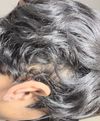
A 27-year-old male using Minoxidil, Finasteride, and dermarolling for hair loss shared blood test results and experienced side effects with Finasteride. Adjusting the Finasteride dosage helped reduce side effects.
A user increased their dutasteride dosage from 0.5mg to 1mg daily, resulting in a rise in DHT levels from 148 pg/mL to 281 pg/mL, and is considering switching back to finasteride due to continued hair loss. Replies suggest retesting and emphasize the importance of bloodwork before starting treatments.
Topical estradiol may help with hair loss but can have systemic effects, like reduced testosterone production. Using estrogen blockers can have negative side effects, such as joint pain and reduced sex drive.
A 27-year-old male experiencing hair loss post-Covid is considering PRP (platelet-rich plasma) therapy. He's seeking personal experiences about the process, particularly regarding pain levels, despite his dermatologist's assurance of using local anesthesia.
A user on finasteride for 7+ months shared bloodwork results, questioning if high DHT levels and testosterone could affect cholesterol. Replies suggest consulting a doctor and question the high testosterone levels.
Hair loss may be linked to the TRPS1 gene and protein, not just DHT. Amplifica's AMP-303 targets mesenchymal stem cells and shows promise in treating hair loss, unlike Pelage's PP405.
Parasites in the gut may contribute to hair loss by depleting essential nutrients and disrupting hormone balance. An imbalance of hormones, not just DHT, could be a factor in androgenic alopecia.
Finasteride can increase total testosterone and potentially raise estrogen levels, leading to side effects. Biotin in combined tablets can falsely elevate thyroid hormone levels in blood tests.
A 21-year-old male diagnosed with telogen effluvium and male pattern baldness started oral finasteride, which initially slowed hair loss and slightly thickened hair, but experienced increased shedding after surgery. The doctor recommended iron and vitamin D supplements, and the user is seeking additional advice.
The user experiencing diffuse hair loss is using various treatments including RU58841, finasteride, minoxidil with tretinoin, anti-hair loss shampoo, and microneedling, and is considering adding peptides TB500, BPC157, and GHK-Cu. They have low growth hormone levels and are questioning its impact on hair loss, while another user suggests androgenic alopecia and androgens are likely the main cause of hair loss.
A 25-year-old woman is experiencing hair loss and is unsure if it's due to iron deficiency or female pattern baldness, as diagnosed by her dermatologist. She is considering using Minoxidil but is hesitant and seeks advice on whether increasing her iron levels could help.
Hypoxia may enhance hair growth by stimulating stem cells, but it could also risk fibrosis. Some users humorously discuss extreme methods like choking while using minoxidil, highlighting the need for new treatments.
A user experienced worsened hair condition after a PRP session and is considering stopping further sessions. They are using a Dermapen, electric massage, iron, saw palmetto, and plan to start minoxidil, but have had side effects with finasteride and are advised to consider dutasteride under medical supervision.
The user experienced rapid diffuse hair thinning for five years despite no signs of AGA or miniaturization. They tried finasteride and oral minoxidil without success and have checked thyroid, iron, and vitamin D levels.
Balding scalps have more androgen receptors, leading to increased TGF-beta, which causes blood vessel loss and hair follicle miniaturization. Blocking androgen signaling and TGF-beta may help prevent hair loss.
Low ferritin levels can affect hair density, and increasing ferritin through iron supplements may help with regrowth. It's suggested to maintain ferritin levels between 70-100 ng/mL and check other micronutrients for optimal hair health.
A 16-year-old is experiencing hair loss and is using minoxidil, finasteride, and plans to add RU58841, while considering other treatments like MK-677 and microneedling. Concerns are raised about the potential impact of these treatments on puberty and development.
Using PP405 and Clascoterone after a hair transplant may not cause issues if the transplant didn't achieve native density, but could lead to competition for blood supply if it did. Some users suggest waiting for these drugs to be available, as they might not significantly impact blood supply or regrowth.
The user is treating androgenetic alopecia with finasteride and discovered a folic acid deficiency. They are asking if curing the deficiency can worsen or improve their hair condition.
A person shared their hair transplant experience, mentioning complications like excessive bleeding and density anxiety, and is using finasteride and minoxidil chewables. They traveled to Turkey for the procedure, paid around $3800, and are considering Mexico for future treatments; nicotine use is a concern for their recovery.
Hair transplant recipients are concerned about whether dormant follicles are permanently damaged by incisions, but some believe undamaged follicles could still regrow if a treatment like PP405 is effective. Opinions vary on the impact of transplants on original follicles, with some suggesting treatments like finasteride can help regrow hair.
The conversation is about someone planning to start finasteride for hair loss and wanting to interpret pre-treatment blood panels to assess the risk of side effects like gynecomastia. They list various tests to measure hormone levels and other health indicators.
The user reported worsening hair loss after 1.5 years on finasteride, questioning if chronic iron deficiency could be a cause. They noted no side effects from finasteride.
PP405 may damage hair follicles if used long-term, suggesting cycling might be necessary. Combining it with finasteride could help maintain hair growth.
Hair systems are a popular solution for hair loss, offering impressive transformations with manageable maintenance and cost. Some users prefer hair systems over medications like Minoxidil or Finasteride, while others express concerns about the permanence and visibility of these systems.
The user has been on finasteride for 18 months and added dutasteride after the first 6 months, with no hair regrowth observed. Bloodwork shows normal levels of DHT despite the use of both medications.
A user experienced side effects from hair loss treatment and contacted HIMS, resulting in their subscription being canceled. They were taking Zinc to manage symptoms and are considering consulting a doctor.
A 22-year-old experiencing intense hair loss across the scalp seeks advice, considering factors like nutrition and genetics. Suggestions include checking vitamin, mineral, and thyroid levels.
A doctor criticized the use of Finasteride for hair loss, suggesting Minoxidil and a hair transplant instead, despite the patient experiencing no side effects from Finasteride. The patient disagreed, arguing that Minoxidil doesn't address the root cause and that Finasteride is necessary to protect donor hair in transplants.