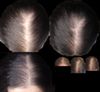
A 34-year-old started using a combination of topical finasteride/minoxidil and dermastamping to treat hair loss, noticing some shedding but remains optimistic about hair regrowth. They experienced minimal side effects, with only temporary watery semen.
A user is considering switching from oral to topical treatments for hair loss due to side effects like watery semen and erectile dysfunction. They are currently using oral finasteride and minoxidil and are concerned about potential sexual side effects with topical use.
A user experienced unexpected hormone test results after 7 months on 1mg daily finasteride, noting a decrease in estradiol despite expectations of an increase. Other users suggested that hormone responses can vary and that finasteride might still be effective if DHT levels are within range, while also mentioning factors like circadian rhythm and stress that could impact results.
A 25-year-old male with seborrheic dermatitis and hair thinning seeks advice on the severity of his condition and treatment options. Oral finasteride and oral minoxidil are recommended as the most effective long-term treatments.
A user experienced severe side effects, including erectile dysfunction and testicular pain, after taking finasteride for hair loss. They recommend sticking to minoxidil and biotin and avoiding finasteride due to potential risks.
A 22-year-old male experiencing hair thinning and loss, possibly due to seborrheic dermatitis or low vitamin D, is cautious about using minoxidil or finasteride due to heart palpitations and high blood pressure. Suggestions include using ketoconazole shampoo to control inflammation and focusing on treating the dermatitis first.
A user increased their dutasteride dosage from 0.5mg to 1mg daily, resulting in a rise in DHT levels from 148 pg/mL to 281 pg/mL, and is considering switching back to finasteride due to continued hair loss. Replies suggest retesting and emphasize the importance of bloodwork before starting treatments.
The user has been using a hair loss treatment regimen including RU58841, minoxidil, and dutasteride, but still experiences hairline recession and fatigue despite high testosterone levels. They are considering adjusting their dutasteride dosage due to concerns about libido and energy levels.
A user's plan to use Zix and topical finasteride (5AR inhibitors) for hair loss, followed by blood testing before/after. The user has suggested creating a fund to cover part of the cost of their blood tests. Replies to their post discuss the effectiveness of the treatments.
Hims reactivated a subscription without consent, leading to unauthorized charges for Finasteride and Minoxidil products, and refused to issue a refund until a bank dispute was filed. Users discussed alternative, cheaper sources for these treatments and shared similar negative experiences with Hims.
A 43-year-old man shares his slow progress using low-dose topical finasteride and 5% minoxidil for hair growth, along with scalp massages, microneedling, biotin supplements, and pumpkin seed oil. Another user suggests shaving and warns about potential infertility from finasteride, but the original poster remains optimistic, citing others' successful results.
The user got blood work to check hormone levels before starting Finasteride for hair loss and is seeking advice on interpreting the results. They are considering hormone levels in relation to potential side effects of Finasteride.
The user is experiencing reduced climax sensation and decreased volume while on Finasteride for hair loss. They are considering whether lifestyle changes or time might improve these side effects.
Finasteride can increase total testosterone and potentially raise estrogen levels, leading to side effects. Biotin in combined tablets can falsely elevate thyroid hormone levels in blood tests.
A user reports high DHT levels despite taking finasteride and is concerned about inconsistent blood test results. They also take modafinil, vitamin D, and magnesium supplements.
A user reports persistent sexual side effects three months after stopping finasteride, despite a healthy lifestyle and supplements. They express concern over the lack of libido and infrequent erections.
A 33-year-old male experienced sudden, rapid hair loss, possibly due to a reaction to mentholated shampoo and undiluted tea tree oil, with a history of seborrheic dermatitis. He is currently taking finasteride, vitamin D3, a multivitamin, and biotin, and is seeking further medical evaluation.
The conversation discusses managing hair loss and scalp issues, with users sharing experiences using treatments like dutasteride, finasteride, ketoconazole, sulfur soap, and topical anti-androgens. Suggestions include trying sulfur soap, scalp massages, spironolactone, and dietary changes to reduce sebum production and dandruff.
The user is experiencing erectile dysfunction and decreased sperm quality from using Dutasteride for hair loss and is considering stopping it to improve fertility. They are exploring other treatments like Viviscal Men, Minoxidil, Revlan Red System, Fluridil, Nizoral, Stemoxydine, and Eucapil.
The user experienced sexual side effects from a topical finasteride and minoxidil combo and stopped using it after three weeks. They plan to use foam minoxidil nightly to slow hair loss and seek alternative treatments that don't affect sexual health.
The user has been taking 0.5 finasteride for 10 months and wants to repeat blood tests, including estradiol. However, their doctor is reluctant to test estradiol, arguing it's typically low in men, and the user is considering seeking a second opinion.
The post discusses a product from Hims that combines finasteride, minoxidil, and biotin in one pill for hair loss. Users share mixed opinions, with one praising its effectiveness, while another warns against potential heart-related side effects of oral minoxidil, suggesting topical solutions instead.
The user has been experiencing prolonged hair shedding despite using Dutasteride, Minoxidil, and topical Finasteride, with blood tests showing high free testosterone and low SHBG. Suggestions include adjusting Minoxidil dosage, considering topical anti-androgens like RU58841, and addressing metabolic factors to increase SHBG.
A user on finasteride for 7+ months shared bloodwork results, questioning if high DHT levels and testosterone could affect cholesterol. Replies suggest consulting a doctor and question the high testosterone levels.
A 21-year-old male diagnosed with telogen effluvium and male pattern baldness started oral finasteride, which initially slowed hair loss and slightly thickened hair, but experienced increased shedding after surgery. The doctor recommended iron and vitamin D supplements, and the user is seeking additional advice.
A user asked if taking a blood test 3 days after starting finasteride would affect the results for Estradiol, FSH, SHBG, Progesterone, and DHEA-S. The conversation is about the timing of blood tests after beginning finasteride treatment.
The user has been using finasteride, dutasteride, and minoxidil without success and is considering a comprehensive blood test to explore other causes of hair loss. They are unsure about the necessity and cost of the extensive tests and are seeking advice on whether to proceed with the full panel or focus on specific tests.