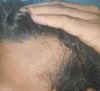
Hair loss discussion includes treatments like Minoxidil, Finasteride, and RU58841. Users share experiences and support, mentioning that many people face hair thinning.
Hopeful treatments for hair loss, including Verteporfin, Androgen Receptor Degradation, and SCUBE3. These treatments offer potential solutions to slow or stop the effects of androgens on the scalp.
The user "ajsr8" shared their story of hair loss despite being on treatments. They started using finasteride in 2019 and later tried topical minoxidil, but it didn't seem to work. They also experienced side effects from other treatments. They are considering cutting off their hair and stopping the medications if there is no improvement in three months. Other users suggested trying different treatments and getting a blood test to check for underlying conditions.
A 22.5-year-old male is frustrated with doctors for not taking his diffuse thinning seriously. He has been using finasteride for 2.5 years, avoids topical minoxidil due to dandruff, and is hesitant about oral minoxidil due to weight and injury concerns.
Curved hair transplantation requires specialized tools and techniques to avoid damaging hair follicles, with modified FUE being the preferred method. Proper extraction and implantation angles are crucial to prevent complications like keloids and sterile folliculitis.
The positive effects of one year of treatments with topical minoxidil and oral finasteride for hair loss, with encouraging progress pictures as evidence.
A 26-year-old male with early hair thinning is using finasteride, topical minoxidil, and supplements for deficiencies in iron, B12, and vitamin D3. He is considering adding oral minoxidil to his treatment plan.
The conversation discusses skepticism about the effectiveness of scalp tension theory and scalp massagers for hair regrowth, contrasting it with treatments like finasteride and minoxidil, which have more user-reported results. Participants question the belief in scalp tension theory, suggesting it may be a marketing tactic, while others argue for a multifactorial approach to hair loss.
The conclusion of the conversation is that some users have seen positive results with the use of finasteride and minoxidil for hair loss, while others have not. It is mentioned that consistent use of these treatments is necessary to maintain results.
The user has been using a combination of oral and topical minoxidil, topical finasteride, RU58841, Nizoral, and microneedling for hair loss treatment. They report improvement in hair thickness except for the crown area, which has not changed.
A hair transplant experience after 6 months, with 4100 grafts, which took 3 months to stop looking obvious and included finasteride treatment. It also discusses the differences between DHI and FUE methods.
A 37-year-old reported significant hair regrowth and increased confidence after two years of using oral finasteride and topical minoxidil, with no side effects. They are satisfied with the results and are reconsidering the need for a hair transplant.
A user experienced reduced stress and improved hair appearance after getting a buzzcut while using finasteride, minoxidil, and microneedling. The user feels the haircut and treatments may have improved hair quality and filled in patchy areas.
GHK-Cu is discussed for hair loss treatment, with some users reporting positive results using a 4% topical serum, but concerns exist about the long-term safety of oral or injectable forms. The original poster also uses finasteride and plans to start dutasteride.
An 18-year-old noticed significant hairline recession and is concerned about further hair loss. They plan to improve their lifestyle and are advised to use finasteride and minoxidil and consult a dermatologist.
Oral finasteride is more effective but may have more side effects, while topical versions have less risk. Oral minoxidil is more potent, but topical is more common and easier to use; combining treatments is common.
A 26-year-old male experienced hair thinning since age 18 and tried various treatments, including topical minoxidil, oral finasteride, and a hair transplant. He is currently using topical finasteride, minoxidil, tretinoin, hydrocortisone, and oral dutasteride, and is satisfied with the results 6.5 months post-transplant.
A 22-year-old male with hair loss is considering treatments like finasteride, minoxidil, and derma rolling after being diagnosed with MPB, vitamin D deficiency, and dandruff. He seeks advice on whether these treatments can realistically improve his hair density and achieve a healthier NW2.
A 35-year-old male has been using finasteride inconsistently for two years and is hesitant about using minoxidil due to potential side effects. He is considering oral minoxidil and microneedling as alternatives and is unsure if dutasteride is too strong.
The conversation is about a user's progress with an oral treatment for hair loss using a stack of finasteride, minoxidil, and biotin over two months, noting stabilization after an initial shed. The user mentions using Hims Chews, which are effective but costly, and another user comments that biotin is ineffective.
The user has been using oral and topical minoxidil, finasteride, and dermarolling for two months, seeing progress with hair regrowth, especially on the temples. They also use these treatments on their beard and eyebrows with positive results.
Tretinoin combined with minoxidil may improve hair regrowth, especially in difficult areas like temples, but requires diligent scalp cleaning. Some users suggest oral minoxidil as a more potent and less irritating alternative.
A user experienced hair loss and side effects from oral finasteride, leading them to consider switching to topical finasteride to reduce side effects while maintaining hair. Another user suggested trying dutasteride under medical supervision, noting individual differences in side effects.
The user feels treated better with a comb-over than when bald due to cancer. They are considering a hair transplant and using finasteride and minoxidil for hair loss.
Mixing minoxidil and alfatradiol in one bottle may affect their effectiveness due to potential stability issues. It's recommended to apply them separately for full benefits.
Many users criticize advice on forums that suggest shaving heads instead of trying treatments like finasteride for hair loss. They argue that maintaining hair is important for self-esteem and dating success, and that baldness often requires compensating with other attributes.
The user is considering a hair transplant for frontal temple density but is concerned about shock loss. They have been using finasteride for about two years and are advised to consider minoxidil and microneedling for better results.
A 19-year-old male experienced significant hair loss, initially thought to be male pattern baldness (MPB), and used minoxidil and briefly finasteride. After realizing the issue was telogen effluvium (TE), he improved his diet and supplemented with vitamins, which led to substantial hair regrowth.
The user shared progress pictures after using a topical treatment of 0.3% finasteride and 6% minoxidil once a day for a year, noting improvement in the front but needing suggestions for the crown. They confirmed using a product from Hims.
A 21-year-old is experiencing hair loss and is considering using Minoxidil and Finasteride, but is concerned about lifelong dependency and seeks advice on permanent solutions. They are advised to act quickly, consider additional treatments like Dutasteride, and get blood tests to rule out other causes.