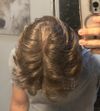
The conversation is about hair loss treatments, including dermarolling, Minoxidil, Finasteride, and RU58841. Users discuss their experiences, side effects, and application methods for these treatments.
The user has been taking oral finasteride and minoxidil for about 8 months and is experiencing increased hair shedding, which is considered normal due to synchronized hair cycles. Despite the shedding, the user has seen significant hair regrowth and is advised to continue the treatment as the shedding should subside.
The original poster found that using rosemary oil, peppermint oil, jojoba oil, oral castor oil, head massages, ketoconazole shampoo, omega-3 fatty acids, and a multivitamin reduced their hair loss from 150 to 50 hairs a day. Another person reported a significant drop in hair loss using a similar oil blend with additional ingredients.
Hair loss treatments discussed include minoxidil, finasteride, and RU58841. Salon products and supplements generally don't work for hair regrowth unless there's a severe nutritional deficiency, while hormonal treatments like estrogen and spironolactone can be effective.
The conversation is about a 53-year-old man's struggle with hair loss and the various perspectives on balding. It also mentions the use of finasteride as a hair loss treatment.
The conversation discusses "Hair bloom" hair filler, which contains biotin, collagen, and various peptides, as a potential alternative to PRP or mesotherapy for hair loss. Opinions vary, with some suggesting it may be a cash grab or ineffective, while others believe it could complement topical minoxidil for early hair loss.
A person has been using finasteride, minoxidil, OM, dutasteride, and RU58841 for hair loss for various durations but is still experiencing constant shedding and thinning. Suggestions from others include checking for potential nutritional deficiencies.
The conversation discusses hair loss treatments, specifically Minoxidil, finasteride, and RU58841. The user seeks input from medical professionals and scientists on these treatments.
The user suspects scarring alopecia and is exploring NSAIDs and turmeric/pepper for inflammation-related hair loss, having experienced burning and thinning with finasteride and testosterone reduction. They are seeking feedback while unable to afford a dermatologist.
Microneedling can potentially damage hair if not done carefully, with suggestions to press instead of roll and to use a pen. It's recommended to microneedle once a week at 1.5mm and wait 24 hours before applying Minoxidil to avoid unwanted absorption.
Feeding bacteria-free mice with Lactobacillus murinus worsened hair loss, but a regular diet with biotin stopped it. The conversation suggests gut bacteria and diet may influence hair loss, with some skepticism and discussion about other factors like DHT and genetics.
After a hair transplant, the user noticed unexpected new hair growth without using medications or vitamins. Many advised starting treatments like minoxidil and finasteride to maintain the results and prevent future hair loss.
A user who had FUT surgery for 2877 grafts with Dr Jerry Wong of Hasson & Wong that resulted in low growth and an abnormally wide scar, suggesting negligence by the doctor and possibly illegal behaviour by an unqualified technician. The post sparked discussion about seeking legal action, as well as criticism of the clinic's high cost.
The conversation is about individuals noticing others with full hair while experiencing their own hair loss. Some use treatments like Minoxidil and Finasteride, while others joke about noticing receding hairlines or suggest that hats and wigs are used to hide baldness.
A user has been using finasteride, minoxidil, RU58841, dutasteride, saw palmetto, and pumpkin seed oil but continues to experience significant hair shedding. They are seeking advice on what to do next.
The conversation discusses using GHK-Cu for hair loss, with one user suggesting subcutaneous administration for better control. The effectiveness of topical application is questioned due to a lack of reliable reviews.
Hair loss causes anxiety during haircuts, with some using minoxidil, finasteride, or hair transplants to cope. Others manage by cutting their own hair or accepting baldness.
A 34-year-old started using a combination of topical finasteride/minoxidil and dermastamping to treat hair loss, noticing some shedding but remains optimistic about hair regrowth. They experienced minimal side effects, with only temporary watery semen.
A 17-year-old female is worried about hair loss, noticing thinning and bald spots. She plans to try burdock oil and castor oil, and if needed, Jamaican castor oil.
Exosomes are discussed as a new hair loss treatment, but skepticism is expressed about their effectiveness. Other treatments mentioned include Minoxidil, finasteride, and RU58841.
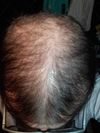
A 30-year-old male experienced hair shedding while using Minoxidil and Finasteride, with concerns about whether this is a normal shedding phase. Despite drastic hair loss, he continues the treatment, hoping for regrowth, and receives advice to maintain the regimen and consider lifestyle changes.
A user who has been trying various treatments for hair loss for four years, with no success. Suggestions include use of minoxidil, finasteride, RU58841, microneedling, supplements and multivitamins, lifestyle changes, scalp biopsy, and SMP.
A user with aggressive male pattern baldness found that topical melatonin significantly reduced their hair shedding to 1 or 2 hairs per day and noticed some thickening of side hair. They tried many treatments like finasteride and minoxidil with little success, but topical melatonin showed immediate results in reducing hair loss.
A woman has been struggling with hair loss for over 12 years and is frustrated with doctors refusing to prescribe finasteride due to potential birth defects and unproven breast cancer risk. She's considering self-treatment or permanent birth control, after being offered only minoxidil, PRP therapy, and weaker natural supplements like Saw Palmetto.
A user's successful hair transplant, with some people questioning the donor area regrowth, and others speculating that hair fibre may have been used to help fill in areas.