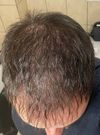
Quercetin might help with hair loss by inhibiting HSP-70, which increases androgen receptors. Concerns include its staining properties and unclear topical absorption.
The user discusses hair transplant results and questions the necessity of pairing microneedling with a special liquid, aside from minoxidil, for better hair thickening. They are skeptical about the doctor's recommendation and seek advice on whether the liquid is essential or a sales tactic.
The conversation discusses the potential of a new hair loss treatment, GT20029, which targets androgen receptors in the scalp and is in phase 1 trials in China. Users express hope that this treatment will be more effective than current options like Minoxidil and Finasteride.
The conversation discusses the possibility of creating liposomal topical finasteride at home or at a local pharmacy, questioning if it is an expensive or proprietary technology. It also mentions making topical finasteride using alcohol and propylene glycol.
The user is exploring alternatives to finasteride and dutasteride due to concerns about side effects, and is using rosemary and jojoba oil, ketoconazole, minoxidil, microneedling, multi-peptide serum, saw palmetto, and stinging nettle for hair loss. They are also considering CB 03 01 and spironolactone.
The conversation is about using distilled water as a solvent for topical finasteride to reduce systemic absorption. The user is considering avoiding ethanol and propylene glycol to achieve this.
Hair follicles are mostly dormant but can be reactivated with treatments like minoxidil, finasteride, and microneedling. A new drug, PP405, shows promise for hair regrowth but may not be available until 2027-2028.
Peppermint oil may accelerate hair growth, but its effectiveness for regrowing hair or restoring a receding hairline lacks evidence from human studies or personal experiments. Some online examples exist, but they may be biased by product sales.
The conversation is optimistic about future hair loss treatments, highlighting Veradermics, Breezula, and PP405 as promising options expected by 2027-2028. The user expresses hope that these developments will prevent future generations from experiencing the same struggles with hair loss.
The conversation discusses using aromatase inhibiting supplements like DIM and Grape Seed extract while on finasteride for hair loss treatment. Users share their experiences and opinions on combining these supplements with finasteride.
Microneedling for hair loss, with concerns about cost and conflicting information on protocols. The user is unsure about purchasing and reusing microneedling stampers.
Theaflavin, a black tea extract, may inhibit DHT and androgen receptor activity, but its effectiveness for hair loss is debated. Users report no significant improvement with theaflavin, while some find beta sitosterol helpful.
Microneedling with needle lengths of 1.5mm to 2.5mm to stimulate hair follicle stem cells for potential hair growth. Using needles longer than 2.5mm is not recommended due to risk of puncturing veins in the scalp. A dermastamp is suggested over a roller.
The user is seeking recommendations for topical saw palmetto and pumpkin seed oil products to treat early male pattern baldness and is considering different options available online. They are specifically asking which saw palmetto product to choose between two provided links.
The post discusses the completion of the HMI-115 Australian Phase 1 Trial for hair loss treatment. The user speculates about the potential early release of the trial results.
The user has been on a comprehensive hair loss treatment regimen for four years, including Dutasteride, topical and oral Minoxidil, and various other treatments, but has seen little progress and is considering a hair transplant. Despite trying multiple therapies, including PRP and exosome injections, the user is still experiencing hair thinning and is hesitant about trying peptides due to potential cancer risks.
Hair loss treatments include finasteride, minoxidil, microneedling, dutasteride, CB-03-01, RU-58841, and experimental options like KY-19382 and stem cell therapy. Some treatments are considered ineffective or risky, such as ketoconazole, PRP, and low-level laser therapy.
The user has been on finasteride for 16 months and is considering natural remedies like peppermint oil, rosemary oil, saw palmetto, green tea extract, l-lysine, and oral castor oil to enhance hair growth in addition to finasteride. They are interested in the potential benefits of combining these natural treatments with finasteride to improve hair loss outcomes.
The conversation discusses the effectiveness and cost of using Hair + Me for Minoxidil, with some users suggesting buying treatments separately or from online pharmacies for savings. A user mentions a positive experience with Hair + Me for Minoxidil and Skin+Me for skincare.
The conversation is about using a dermastamp for hair loss treatment and concerns about a potentially scam product, pp405. It suggests sticking with known treatments like finasteride and minoxidil.
The conversation is about hair loss treatments, specifically using finasteride, minoxidil, and biotin, with a focus on the effectiveness of Hims products. Users discuss the results, potential side effects, and the role of biotin in the treatment.
The conversation discusses hair loss treatments, specifically using topical finasteride and minoxidil combined with microneedling, along with supplements like collagen, vitamin C/D, and saw palmetto. The user also mentions using a DHT-blocking shampoo and experimenting with cold showers and contrast therapy for hair health.
A potential treatment for hair loss that involves injecting fat into the scalp; the role of testosterone and estrogen in thinning fat tissue under the skin; research on using lard to treat androgenic alopecia, as well as PRP + ACELL/amniotic stem cell treatments; and ongoing clinical trials by doctors involved in the study.
The conversation is about the effectiveness of oils like castor, coconut, tea tree, and emu for hair loss. Users discuss their experiences and compare these oils to treatments like Minoxidil, finasteride, and RU58841.
The conversation is about finding a source for sterile dutasteride for mesotherapy to avoid side effects from oral 5AR blockers. The user is currently using microneedling and 0.01% topical dutasteride and plans to use transplants.
Copper peptides may help with hair thickness and health, but their effectiveness in reducing DHT is uncertain. Minoxidil is being used, but finasteride is not available due to legal restrictions; ketoconazole shampoo is recommended for managing Malassezia-related issues.
The conversation is about hair regrowth progress using a combination of treatments: dutasteride, minoxidil, RU58841, ketoconazole, and monthly microneedling. The user reports that microneedling and topical minoxidil had the most impact on their hairline.
A potential new hair loss treatment, HMI-115, and the possibility of discontinuing finasteride in favor of it. The conversation also includes discussion about other benefits of using finasteride.
A user switched from topical to oral finasteride and is seeking additional topical treatments for hair growth besides minoxidil. They are aware of stemoxydine and caffeine solutions and are asking for more recommendations.