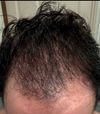
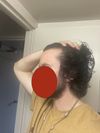
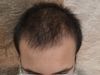
The daily regimen includes oral finasteride, topical minoxidil, and witch hazel toner to reduce itchiness. Witch hazel is noted for its hydrating properties and affordability.
The user switched from finasteride to dutasteride eight months ago due to worsening hair loss but continues to experience hair thinning and seeks advice on additional treatments. They are asking for suggestions on medications, topical therapies, lifestyle changes, or professional treatments.
User tried topical finasteride mixed with minoxidil, Nizoral shampoo, oral minoxidil, and FUE hair transplant for hair loss. User asks when it's safe to trim hair after transplant and considers trying RU58841 or pyrilutamide.
Hair loss due to DHT is causing distress, with Minoxidil, finasteride, and RU58841 being potential treatments. The conversation includes humor and frustration about the topic.
A user had a disappointing dermatologist appointment where they were denied prescriptions for Dutasteride and oral Minoxidil for hair loss and were only offered a hair transplant referral. Other users sympathized, discussed self-medication, and suggested consulting a transplant doctor for up-to-date treatments.
A user on finasteride for 8 months shared bloodwork results showing increased testosterone and estradiol levels, with concerns about high LH. Responses advised monitoring for symptoms but noted levels are within reference ranges.
Scalp micropigmentation (SMP) is a viable option for those experiencing hair loss, providing a natural look similar to a buzzcut. It requires touch-ups every 3-5 years, and using products like zero shine can help manage appearance issues in different lighting.
A user from China is participating in a clinical trial for Pyrilutamid, a potential hair loss treatment originally developed for prostate cancer. They've experienced no side effects except initial scalp itchiness, and will share results after the year-long trial.
A user discusses their habit of analyzing others' hair due to their own hair thinning at 18. Another user mentions starting finasteride in 2010 and still having a full head of hair.
A user's success in hair regrowth after taking oral and topical medications, such as minoxidil and dutasteride, and using microneedling. Other users shared their experiences and advice with treatments used to reverse hair loss.
Switching from finasteride and topical minoxidil to dutasteride and oral minoxidil caused a major hair shed, exacerbated by moving stress. Dutasteride may take months to fully integrate, and adding finasteride might help with hair protection during this transition.
The user switched from finasteride to dutasteride and experienced heavy hair shedding around six months in, affecting even transplanted hair. They are seeking others' experiences with similar shedding after switching medications.
The user experienced intensified hair thinning after 10 years on finasteride and saw little improvement after switching to oral minoxidil and dutasteride for 8 months. Suggestions included continuing dutasteride for another 6-8 months, considering additional treatments like topical finasteride, and evaluating nutrition and other potential causes of hair loss.
Pelage is delaying the start of phase 3 trials for PP405 to 2026 due to necessary regulatory processes, despite having $120 million in funding. Users discuss the potential of PP405 for hair regrowth, with some expressing skepticism and others hopeful for new treatments like Breezula.
Switching from finasteride to dutasteride and oral minoxidil worsened hair thinning at the hairline and temples. The user is considering returning to finasteride, as dutasteride may not be effective for them.
Using a combination of topical minoxidil and finasteride, plus microneedling, to treat hair loss; the progress made by the original poster over 6 months; the potential for further results with longer use; and the possibility of seeking alternatives such as a hair transplant or system.
A 23 year old female who experienced Telogen Effluvium due to stress 4 years ago, but her hair is still not back to normal. She is looking for treatments such as Minoxidil and dermarolling that may help with the thinning patches in her hair.
The user is experiencing worsening hair loss despite using oral finasteride, oral minoxidil, microneedling, keto shampoo, and supplements for seven months. They are concerned about continued shedding and lack of regrowth, and are considering adding topical minoxidil to their routine.
A user has been using finasteride, minoxidil, RU58841, dutasteride, saw palmetto, and pumpkin seed oil but continues to experience significant hair shedding. They are seeking advice on what to do next.
Topical dutasteride residue on pillows may cause ear redness and irritation. The user is concerned about a contact reaction from the treatment transferring to the pillow.
A dermatologist recommended PRP (Platelet Rich Plasma) and GFC (Growth Factor Concentrate) for pattern baldness, but online sources suggest they may not be effective. The user is seeking opinions on these treatments.
The user has been on dutasteride for six months and experienced significant hair shedding, especially at the hairline, and is seeking advice. Some suggest continuing the treatment and being patient, while others share mixed experiences with dutasteride and consider switching back to finasteride or adding other treatments like RU58841.
The conversation discusses the link between increased estrogen and autoimmune diseases, with a focus on avoiding soy and milk. It also mentions treatments like Minoxidil, finasteride, and RU58841 for hair loss.
The user started hair loss treatment at 19 with oral finasteride and topical minoxidil, later switching to oral Dutasteride and oral minoxidil. Despite ongoing treatments, including microneedling and topical applications, hair loss, particularly at the hairline, continues to progress.
The user began experiencing hair loss at 14 and is now starting treatment at 18 with a topical solution of 10% minoxidil-finasteride and ketoconazole shampoo. Oral finasteride was not recommended due to potential effects on growth, and microneedling will be considered after four months.
The conclusion of the conversation is that some individuals may experience a condition called reactionary hypergonadism when taking dutasteride for hair loss. This condition can lead to an increase in testosterone levels, which may worsen hair loss instead of improving it.
The conversation is about a user planning a blood test to monitor health while on hair loss treatments: Finasteride, Minoxidil, and Dutasteride. Recommendations include testing for androgens, thyroid function, micronutrients, and basic health markers, with additional suggestions for PSA, prolactin, and estradiol.
The conversation discusses the differences between KB solution and PG + Ethanol solution for RU58841 in treating hair loss. It compares the effectiveness and properties of these two solutions.
A user named "tresslessinseattle" receiving a mysterious package of Eucapil hair loss treatment, which they are considering in combination with Minoxidil and Finasteride treatments to boost the regrowth they have been seeing.