A 25-year-old woman is experiencing hair loss and has started microneedling with a 0.5mm roller, applying a mix of essential oils overnight. She questions whether to switch to a 1.5mm roller and the best order for her routine, while a reply suggests using Minoxidil for better results.
A user is concerned about hair loss and is hesitant to use medications like finasteride and minoxidil due to side effects, and is seeking natural alternatives such as garlic, biotin, and scalp massages. Suggestions include dermarolling, essential oils, and lifestyle changes like exercise and diet to improve blood circulation and block DHT.
Hair loss treatments like olive oil, coconut oil, and finasteride are discussed with skepticism and humor. The conversation highlights disbelief in quick fixes and the ongoing search for effective solutions.
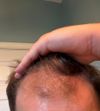
The conversation discusses a person's 4-month hair loss treatment regimen using topical minoxidil, finasteride, ketoconazole, a dermastamp, and rosemary and peppermint oils. Progress pictures are shared to show the results.
The conversation is about a user's hair loss progress and treatment methods. The majority of users suggest shaving the head for better application of treatments like Minoxidil, microneedling, and oils. They also recommend adding finasteride and nizoral shampoo to the regimen.
A 21-year-old male has been using finasteride and minoxidil for four months with little progress in hair regrowth, despite adding microneedling and rosemary oil to his routine. Users suggest patience, maintaining the current treatment, and possibly simplifying the routine by dropping rosemary and microneedling.
The conversation discusses skepticism about a video claiming rosemary oil can regrow hair, with doubts about the video's authenticity. It mentions that the video's creator might be seeking views for ad revenue, and another user suggests it might work if the hair loss isn't male pattern baldness.
The user has been taking oral minoxidil and finasteride for 10 months with no hair growth but no further hair loss. They are considering adding rosemary oil and possibly returning to a topical solution.
The user is using 2.5 mg oral minoxidil, rosemary essential oil with olive oil, biotin, folli hair tablets, and a rice water mask for hair regrowth. Another user inquired about finasteride, and others wished the user good luck and asked for updates.
A user started a hair loss treatment 6 weeks ago using oral finasteride, minoxidil, biotin, vitamins B5, B6, and C, along with a topical serum containing batana, rosemary, castor oils, rice water, and more biotin. They are hoping to see progress by June-July.
The conversation discusses a user's hair growth routine involving scalp massages, dermastamping, and rosemary oil, with mixed opinions on its effectiveness. Some users suggest proven treatments like minoxidil and finasteride, while others debate the merits of alternative methods.
The user treated seborrheic dermatitis and hair loss with a routine including sulfate-free tea tree oil shampoo, ketoconazole shampoo, minoxidil foam, microneedling, and supplements like Omega-3 and Vitamin-D. They experienced significant hair shedding initially but saw improvement over a year.
The conversation discusses natural methods for addressing male pattern baldness, with the original poster using a plant-based diet, herbs, scalp massages, pumpkin seed oil, and dermapen treatments, while avoiding pharmaceuticals like minoxidil and finasteride due to concerns about side effects. Other users suggest that pharmaceuticals like finasteride may be necessary for significant hair loss, but the original poster remains committed to natural approaches.
The post discusses the potential of upregulating aromatase to treat hair loss, suggesting that increasing CCL2 levels through Vitamin D or microneedling might help. The user questions why microneedling doesn't work for everyone, especially those with advanced hair loss.
People discuss various hair loss treatments, including finasteride, minoxidil, ketoconazole shampoo, biotin, vitamins, tretinoin cream, laser caps, and lifestyle changes like quitting smoking. They also mention using products like nutrafol, pumpkin seed oil, fish oil, and scalp massages.
A user shared their hair loss experience and treatment routine, which includes using Minoxidil (5% Rogaine foam) and Dutasteride 0.5, along with various supplements and natural oils. They reported positive results and emphasized the importance of liver health and thyroid function, despite skepticism from others about the effectiveness of supplements.
New potential hair loss treatment uses molecules from hairy moles to stimulate follicle growth. Topical solution requires less frequent application, like Botox injections a few times per year.
Mixing Nizoral and T-Gel in a 1:1 ratio and using it three times a week provided relief from persistent seborrheic dermatitis. This treatment is recommended for those with stubborn SD.
The user is experiencing scalp irritation from using RU58841 with a 70% ethanol and 30% propylene glycol vehicle and is considering switching to a less irritating vehicle, such as 30% ethanol with 70% squalane or emu oil. They are seeking feedback on the effectiveness and irritation levels of these alternative carriers.
The conversation discusses experimenting with Sandalore for hair loss and concerns about its authenticity compared to sandalwood oil. Minoxidil, finasteride, and RU58841 are also mentioned as treatments.
A 29-year-old male experiencing hair loss due to TRT is using minoxidil and dermarolling but is hesitant to use finasteride or dutasteride due to potential side effects. He is considering low level laser therapy (LLLT), PRP, ketoconazole shampoo, and oral minoxidil as additional treatments. A reply suggests that without a DHT blocker like finasteride or dutasteride, other treatments may not be effective long-term.
Taking a break from topical treatments like oils, serums, and minoxidil once a week may help the scalp recover, though opinions vary on its effectiveness. Some users skip treatments occasionally, believing it benefits scalp health without reducing effectiveness.
The user is seeking alternatives to Minoxidil for hair growth, currently using 0.1% topical finasteride and 2% ketoconazole shampoo. Suggestions include microneedling, red light therapy, rosemary oil, and other topical treatments like cetirizine, Stemoxydine, and Latanoprost.
A female user is seeking a DHT blocker without Selenium or Zinc due to hair breakage and is currently using Saw Palmetto, Nature's Bounty Hair, Skin and Nails, Pumpkin seed oil, Dermastamp, and Pura D'or products. She has tried Minoxidil without success and is considering Finasteride but prefers natural options first.
The user experienced significant hair regrowth using dermarolling, peppermint essential oil, rosemary carrier oil, finasteride, dutasteride, biotin, vitamin E, spirulina, fish oil, and a protein-rich diet. The oral versions of finasteride and dutasteride were noted as more effective.
The conversation discusses using peppermint oil for hair loss, with one user applying it undiluted to the scalp and another combining it with finasteride and microneedling. Some believe in its effectiveness despite limited scientific evidence, and also mention rosemary oil as potentially beneficial.
Counterfeit Kirkland minoxidil is being sold online, leading to ineffective hair loss treatment. Users are advised to purchase from reputable sources like Costco to avoid fake products.