The conversation is about finding a reasonably priced shampoo with piroctone olamine in the US. The user is cautious about trying new or smaller brands.
Taking care of hair condition through the use of shampoo, conditioner, oils and scalp scrubs, as well as advice on using Nizoral and Naturebox Olive Shampoo. Replies also included discussion about whether a bad shampoo could be causing hair loss.
The user wants to undergo laser hair removal on a bad hair transplant and maintain their natural hairline. They are seeking shampoo recommendations while using finasteride and minoxidil.
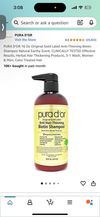
The conversation is about recommendations for a daily shampoo to use alongside topical finasteride and minoxidil treatments for hair loss. The user is currently using PURA D’OR shampoo and considering other options, while another user suggests Johnson's baby shampoo and shares their experience with finasteride, minoxidil, and PRP sessions.
A 20-year-old has been using 1mg of dutasteride daily, caffeine shampoo, Nizoral shampoo 2-4 times a week, and pumpkin seed pills for hair growth, noticing regrowth since October. Initial shedding occurred, but improvements are felt, especially at the back of the hair.
People are discussing ketoconazole shampoos that don't dry out hair, with suggestions including using it as a topical treatment, switching to T-Sal, and using moisturizing products like hyaluronic acid serum and biotin conditioner. Regenepure DR is confirmed to still contain ketoconazole, and some users recommend using moisturizing shampoos and conditioners to prevent dryness.
Counterfeit Kirkland minoxidil is being sold online, leading to ineffective hair loss treatment. Users are advised to purchase from reputable sources like Costco to avoid fake products.
A 19-year-old discusses feelings of envy towards men with full heads of hair, sharing their experience with hair loss since age 16. They have been using oral minoxidil and topical finasteride for two years, with initial improvement but continued shedding, and are considering switching to dutasteride.
The conversation discusses using dutasteride once a week to boost finasteride's effectiveness in treating hair loss, with some users reporting fewer side effects and cost savings. Others share experiences with different dosages and combinations, including minoxidil and topical treatments, to find a balance between effectiveness and side effects.
The conversation discusses the effects of using Tongkat ali and dioscorea to raise DHT levels, leading to increased body hair growth and an itchy scalp, without causing hair loss. The discussion also debates the role of DHT in male characteristics and its impact on sexual function, with differing opinions on its importance and effects.
A new topical finasteride has been approved in France, providing an alternative to oral finasteride with potentially fewer side effects. Users discuss the pros and cons of topical versus oral treatments, with some opting to create their own solutions to save money.
The user has used minoxidil for five years and added microneedling for four weeks without seeing results. They are considering a hair transplant but are advised that hair loss will persist without a DHT blocker.
The user experienced significant hair regrowth after resuming treatment with oral minoxidil and dutasteride, following an initial period of using finasteride and minoxidil. They noted improvements in hair density and pigmentation, attributing the progress to consistent use of these treatments.
Hair regrowth from treatments like minoxidil, RU58841, and finasteride is not permanent; stopping these treatments typically results in hair loss resuming. Beard hair can become permanent with minoxidil use, unlike scalp hair, which requires ongoing treatment to maintain gains.
Finasteride and dutasteride can improve skin texture and reduce acne by lowering DHT but do not reverse aging. They may enhance skin and hair health for some, but can also cause side effects like dry skin and sexual dysfunction.
The conversation discusses whether it's better to start hair loss treatment with finasteride or dutasteride. Opinions vary, but many suggest starting with finasteride due to its shorter half-life and easier management of side effects, while others argue dutasteride is more effective and has fewer side effects.
A user shared a 60-day progress update on hair regrowth using only 5% Minoxidil foam once daily. Others suggested adding finasteride to address the underlying cause of hair loss and maintain long-term results.
The conclusion of this conversation is that the user "DuckSeasonCamelSeasn" found that consuming grapefruit juice prior to taking finasteride or dutasteride helped them become a responder to the medications and regain hair growth. However, there are warnings about potential risks and interactions with other medications, so caution should be exercised.
HMI-115, a newly discovered hair loss treatment that could potentially be effective for those with diffuse thinning and telogen effluvium. It is based on prolactin receptor antagonist signaling and has already undergone Phase I trials in women, with potential commercialization by 2027.
The user is experiencing insomnia after starting finasteride and is seeking solutions without quitting the medication. Suggestions include trying ZMA, maintaining consistent sleep habits, and considering other sleep aids like Nytol or melatonin.
A study that outlines the full model for androgenic alopecia (AGA) which links DHT to cellular senescence in dermal papilla cells, and suggests black chokeberry as a source of cyanidin 3-O-arabinoside polyphenol with potential anti-oxidant properties that could reverse this process. The post encourages reaching out to experts in anti-aging and longevity to research treatments involving the polyphenol.
A user's transformation from an accountant to a spartan with a full beard, discussing the potential of DUPA and alopecia areata, as well as treatments like vitamins, topicals, and natural treatments for potential regrowth.
Topical melatonin may help reduce hair loss and increase hair thickness in people with androgenetic alopecia (AGA), with some studies showing positive results. It can be mixed with minoxidil for application, and its effectiveness might be enhanced when used with micro-needling, but results may vary among individuals.
Natural remedies to treat hair loss, such as polyphenols, apple peel extract, grape seed extract, green tea extract, peppermint oil, pumpkin seed oil, apigenin, Ginkgo biloba, red clover extract, olive leaf extract, Ecklonia Cava and Grateloupia elliptica. In addition, terpenes, carotenoids, and tocopherols were discussed as potential treatments.
A new hair loss lotion by Dr. Brotzu, expected to regrow up to 5 years of lost hair, is set to be released by Fidia Farmaceutici. It claims to work like minoxidil and finasteride without side effects, but skepticism exists due to its classification as a cosmetic product.
The conversation discusses the effects of finasteride on libido, with the original poster experiencing a significant decrease in sexual desire after starting the medication. Other users share similar experiences and suggest potential remedies, including Vitamin E supplementation and lifestyle changes like avoiding pornography.
The conversation discusses hair loss treatments, focusing on reducing scalp itching and dandruff using natural shampoos, witch hazel, and apple cider vinegar. The user also mentions using finasteride and observing potential regrowth, though it's difficult to confirm.
Using a silicone shampoo brush with ketoconazole shampoo may increase hair shedding if used roughly. Hair that sheds during shampooing would have fallen out eventually.
Hair loss possibly caused by a fungal infection might be treated with antifungal shampoos or oral medications. If not fungal, treatments like minoxidil or finasteride may be necessary.
Shampoos are unlikely to cause permanent hair loss; hair loss is more likely due to male pattern baldness (MPB). The user is advised that losing hair in the shower is normal, and to avoid shampoos with sodium sulfate.