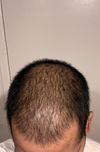
27F with androgenic alopecia since 17 seeks treatment. Tried spironolactone, caused low blood pressure; believes finasteride is safer and wants to try it.
The conversation discusses using Musely's classic formula for hair loss, which includes minoxidil, dutasteride, tretinoin, ketoconazole, and hydrocortisone. Concerns are raised about hydrocortisone and the high concentration of dutasteride, with a preference for using research-backed concentrations without hydrocortisone.
The conversation discusses the potential of a new hair loss drug, CB-03-01, with users sharing their experiences and seeking advice on dosages and application methods. One user mentions using topical finasteride, minoxidil, dermarolling, and a clean diet for hair maintenance but is interested in CB-03-01 due to side effects from finasteride.
The user is experiencing hair shedding of different thicknesses/lengths and is using Nizoral, ciclopirox, and pyrithione zinc conditioner. They are concerned whether the shedding is due to these treatments, miniaturization, or their low-calorie diet.
JW0061 shows superior hair growth results compared to existing treatments, with significant increases in hair follicles. The Wnt/β-catenin pathway is crucial for hair growth, and JW0061 activates this pathway effectively.
The user is experiencing significant hair loss and has tried topical minoxidil and oral finasteride. Despite some regrowth, shedding continues, and they seek advice on whether to continue with these treatments or try something else.
User found 15% procyanidin B2 supplement and asks if it's legit. Recommended dosage is 400-600mg daily, similar to study, and user wonders if it's effective for hair loss.
The user is experiencing hair thinning and bald spots, using Nizoral, rosemary oil, fluocinolone, and receiving PRP treatments. They are considering oral minoxidil and finasteride but are hesitant due to age and financial constraints.
The user shared progress pictures and discussed using oral and topical Minoxidil, microneedling, recently starting finasteride, multivitamins, vitamin D3, vitamin K, tretinoin, and ketoconazole for hair loss. The conversation focuses on the effectiveness of these treatments.
Oral hyaluronic acid is not beneficial for hair, as it gets broken down in the stomach and has no strong evidence supporting its effectiveness. The user is taking finasteride, dutasteride, and topical minoxidil for hair loss, but combining finasteride and dutasteride is considered redundant.
The conversation is about a man's six-month experience using Hims topical finasteride, minoxidil, and generic biotin gummies for hair loss. He's seen some progress but is concerned about lack of regrowth at the crown of his head.
Ecklonia cava is suggested as an alternative to finasteride and dutasteride for hair growth, potentially offering benefits without their side effects. It is promoted for anti-aging, mood enhancement, and cognitive support.
A user is starting a hair loss treatment regimen with finasteride three times a week, minoxidil once daily, and daily supplements of pumpkin seed oil, biotin, zinc, and magnesium. They are also following a strict no alcohol, no high sugar diet, and regular exercise, and plan to post updates.
The user is considering switching from topical Minoxidil to oral Minoxidil due to concerns about maintaining a topical routine. They have already started finasteride and are trying to prevent further hair loss progression.
The conversation is about someone experiencing hair regrowth using Minoxidil and Dutasteride, along with other treatments. They report their hairline is improving and their forehead appears smaller.
Zinc picolinate and saw palmetto may lower DHT but are less effective than finasteride. Finasteride and minoxidil are preferred treatments, with ketoconazole shampoo as a suggested addition.
Pumpkin Seed Oil and Perilla Oil (with alpha-lipoic acid, linoleic acid, and oleic acid) are discussed as potential 5alpha-reductase inhibitors. The conversation focuses on their effectiveness for hair loss treatment.
Cannabis and THC may have mixed effects on hair, with some studies suggesting potential negative impacts on hair growth in isolated hair follicles, but these results are hard to apply to living humans. Treatments like minoxidil and finasteride are commonly used for hair loss, and the effects of cannabis might be neutral or vary based on individual factors.
The user has been using a daily capsule containing 1mg finasteride and 2.5mg minoxidil for 11 months, with noticeable regrowth on the crown but minimal improvement on the hairline. They experienced no significant side effects and plan to continue the treatment long-term.
CHK-Cu (copper peptide) and C-60 (branched carbon chain) are discussed as potentially more effective than minoxidil for hair regrowth. Some users are skeptical about the claim that DHT isn't the root cause of hair loss, and others are trying these products to see if they work.
The user is experiencing hair regrowth after two months of using topical finasteride and minoxidil, despite some thinning on the sides. They also take vitamin D, iron, a multivitamin, and biotin.
A 30-year-old male experienced rapid hair shedding over 6-7 months due to stress, depression, and nicotine/alcohol use, but has since stopped these habits. He seeks advice on remedies, medications, or diet changes to address hair loss.
The conversation discusses using cetirizine (Zyrtec) topically to relieve scalp itch associated with hair loss and suggests it may also benefit androgenetic alopecia (AGA). One person found relief from scalp itch after three months on finasteride, noting the itch was linked to areas where hair was lost.
Astaxanthin may cause increased hair shedding, affecting even transplanted hair and eyebrows. The user has tried various treatments for androgenic alopecia, including minoxidil, finasteride, and RU58841.
The user plans to stop finasteride after three months, believing hair loss isn't due to DHT, and will continue with oral minoxidil, microneedling, and ketoconazole shampoo. They suspect stress and poor nutrition are the main causes and seek opinions on DHT blockers' effectiveness.