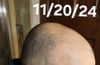
Hair regrowth and gender transition using finasteride, estrogen, and spironolactone. Significant hair regrowth and personal transformation were achieved through hormone replacement therapy.
The user is experiencing hair loss despite using 0.5 mg dutasteride and 2.5 mg oral minoxidil daily. They are considering increasing the dutasteride dosage or maintaining the current routine.
DIM is suggested to help with estrogen metabolism for those on finasteride or dutasteride, potentially reversing side effects like fat gain and mood changes. Some users doubt its effectiveness, recommending lifestyle changes or consulting a doctor instead.
The conversation is about switching from finasteride to dutasteride and oral minoxidil for hair loss treatment. The user is concerned about the shedding phase and is advised to start with dutasteride.
The conversation humorously discusses various unconventional and satirical hair loss treatments, including Minoxidil, RU58841, dutasteride, and microneedling. It also mentions bizarre suggestions like topical sharpie, spray paint, and Nutella.
A user shared progress pictures 1.5 months after a hair transplant of 3500 grafts, using oral finasteride, topical finasteride, minoxidil, and vitamins. They are concerned about potential shock loss and the thinning appearance.
The conversation discusses whether a gluten/wheat-free diet is beneficial for hair loss when taking finasteride and minoxidil. It questions if dietary changes are necessary or if using finasteride and minoxidil is sufficient.
A user on finasteride, minoxidil, dermastamp, and Nizoral is seeing baby hairs and asks if it's regrowth. Another user confirms it is regrowth and encourages them to continue.
The user reported progress in hair growth after 1.5 months on oral minoxidil, 1 month on oral finasteride, and microneedling every other week. They thanked the community for support and decided to continue treatment while stepping away from the forum.
A person experienced hair regrowth over 2.3 months using natural remedies like onion and garlic juice, rosemary and lavender oil, and a 1mm dermaroller twice a week, avoiding pharmaceuticals due to side effects and personal health principles. They reported improved hairline, density, and thickness.
The user reports noticeable hair growth after 5 weeks using finasteride, minoxidil, dermarolling, and ketoconazole. They seek confirmation of their progress and question if they are a hyper responder.
A serum with oleic and palmitoleic acids shows promise for hair regrowth in mice, but its effectiveness in humans is unproven. Minoxidil and finasteride remain the recommended treatments.
Stopping finasteride may reduce water retention or alter fat distribution, leading to a leaner face. Hormonal changes, like reduced DHT or increased estrogen, could cause these effects.
The user is using finasteride and minoxidil for hair loss but feels progress is slow and is considering switching to dutasteride after 12 months. They notice minor shedding but are unsure if the medication is stabilizing their hair loss.
The user is happy with hair regrowth progress using monthly microinjections of minoxidil and dutasteride, along with daily oral intake of these treatments. The treatment costs $200 per session, and the user plans to continue for a year before stopping.
The user noticed increased hair shedding and thinning after using rosemary oil diluted with coconut oil for two weeks. They are questioning if rosemary oil causes shedding similar to minoxidil.
Long-term finasteride users often experience periodic hair shedding due to natural hair cycles, even after several years of use. Some consider switching to dutasteride, but concerns about side effects and the effectiveness of finasteride remain common.
The user is regrowing hair while using steroids by following a regimen that includes Rogaine, RU58841, Dutasteride, Nizoral, PGE2, and occasionally castor oil. Despite using harsh steroids like Tren, Masteron, and Proviron, the user reports successful hair regrowth.
User discusses using finasteride, ketoconazole, fish oil, nettle root, saw palmetto, emu oil, and plans to start minoxidil for hair loss. They report maintaining hair with minor side effects like slightly lower libido and watery semen.
Beard gains from minoxidil are usually permanent due to facial hair follicles' lower sensitivity to DHT. Scalp hair requires ongoing DHT suppression with treatments like finasteride, dutasteride, and RU58841 to maintain gains after stopping minoxidil.
The user is seeking recommendations for topical saw palmetto and pumpkin seed oil products to treat early male pattern baldness and is considering different options available online. They are specifically asking which saw palmetto product to choose between two provided links.
A user has been taking a chewable combination of finasteride, minoxidil, and vitamins daily for three months without side effects or shedding. They are considering adding derma rolling to their routine.
Switching from finasteride to dutasteride can cause significant hair shedding if done abruptly. It's recommended to overlap both treatments and gradually taper off finasteride to minimize shedding.
The user has been using finasteride, minoxidil, and ketoconazole for hair loss, showing good progress without significant side effects. They plan to have a hair transplant in March and hope to eventually stop using oral minoxidil.
Clascoterone (Breezula) showed positive results for treating hair loss without affecting cortisol levels. Opinions vary, with some users optimistic about its potential and others critical of its effectiveness compared to existing treatments like finasteride.
The conversation is about a user's comprehensive hair loss treatment plan, including finasteride, minoxidil, dermaroller, Nizoral shampoo, vitamin D, biotin, and zinc. The user describes their approach as a strategic battle against DHT, with finasteride as the main treatment.
Ashwagandha is used to reduce stress and improve sleep, while finasteride is taken for hair loss. Users report positive effects from ashwagandha and mixed results from finasteride, with some experiencing a slight dip in libido.
The user is experiencing hair thinning and brittleness, possibly due to Telogen Effluvium, which affects body hair and may be linked to stress or nutrition. They are considering using finasteride for treatment but are unsure if it will address their symptoms.
A user is concerned about hair loss and is hesitant to use medications like finasteride and minoxidil due to side effects, and is seeking natural alternatives such as garlic, biotin, and scalp massages. Suggestions include dermarolling, essential oils, and lifestyle changes like exercise and diet to improve blood circulation and block DHT.